
The watch looks convincing during the morning workout. It records the selected exercise, stays secure through movement, and keeps the phone out of the coordinator’s hand. By the afternoon work block, a different test has begun. Sweat may remain beneath the strap, exercise alerts may crowd work reminders, a call may arrive through an unsuitable audio route, and the workout may have consumed the reserve needed later. For a parks-and-recreation membership coordinator in Colorado Springs, a smartwatch under 150 for gym and work use succeeds only when the same device crosses that gap without a reset, device swap, comfort problem, or required recharge.
The Gym-to-Work Handoff Board follows one watch through the Gym Lane, a narrow Handoff Strip, and the Work Lane. A feature receives credit only when it remains useful on the far side.
A Two-Context Watch Must Pass the Seam Between Them
A gym feature list and a work feature list can both look complete while the ownership routine fails. Workout modes may satisfy the morning requirement, and notifications may satisfy the afternoon requirement, yet the watch may need charging, re-pairing, permission changes, or a different strap between them.
The right smartwatch under 150 for gym and work use must satisfy one comparison unit: both contexts completed in one day with the same watch, no rebuilding of core settings, no unacceptable comfort problem, and enough battery for work and the trip home. A prepared focus or notification profile is acceptable. Reconstructing permissions, contacts, Bluetooth pairing, or call behavior every morning is not.
Keep work requirements narrow. The coordinator may need time, selected reminders, caller identity, and a safe way to defer or complete a brief call. The Shift Function Value Map for under-$150 work utility can identify which functions belong on the Work Lane. This article tests whether they survive the earlier workout.
Build the Three-Lane Gym-to-Work Handoff Board
Draw three columns labeled Gym Lane, Handoff Strip, and Work Lane. Give the board four rows: wear continuity, power continuity, alert continuity, and function continuity. Mark each cell Pass, Conditional, Fail, or Unverified.
| Board row | Gym Lane | Handoff Strip | Work Lane |
|---|---|---|---|
| Wear continuity | Secure during movement | Clean, dry, and promptly wearable | Comfortable through work |
| Power continuity | Workout battery debit recorded | No required recharge | End-of-day reserve protected |
| Alert continuity | Exercise alerts controlled | Prepared work state activates | Priority information remains useful |
| Function continuity | Required workout function operates | Workout closes cleanly | Selected work and call functions remain ready |
Write evidence beside every status. “Supports fitness and notifications” does not prove a completed handoff. When phone compatibility, app behavior, battery mode, strap material, or call interaction remains unclear, use Unverified.
A smartwatch under 150 for gym and work use earns the strongest result only when every critical row reaches the Work Lane. Strong fitness support cannot compensate for a broken work connection.
Run the Morning Gym Lane Without Spending the Afternoon
Begin with the actual workout, not the number of sports labels shown in a seller graphic. The Colorado Springs coordinator might require a strength session, a cardio segment, a timer, and a readable summary. Another buyer may need route tracking. Features outside the chosen routine should not influence the verdict.
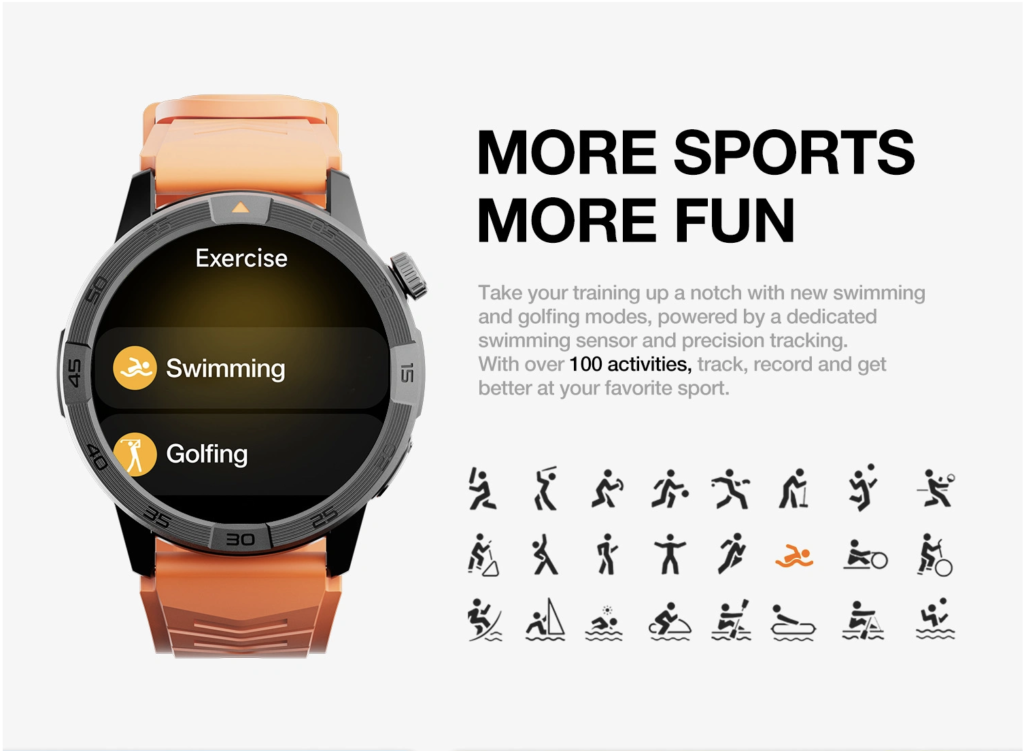
Record whether the watch stays secure, whether the selected workout starts and ends deliberately, whether useful information remains readable without unsafe interaction, whether the expected phone connection stays active, and how much battery the session removes.
Use controls only while stationary and clear of equipment, stairs, traffic, carried loads, or other attention-critical activity. Wellness measurements are consumer estimates, not medical diagnosis or treatment. A sensor name does not prove that its readings meet the buyer’s accuracy requirement.
The Gym Lane passes when the required exercise task works without creating a later burden. The real-use battery receipt can define the enabled-function load; the handoff board records the portion spent before work.
Cross the Handoff Strip Without Rebuilding the Watch
The Handoff Strip owns the central decision. End the workout, save or close the record, follow the exact care instructions for the device and band, and confirm that the expected phone connection remains active.
Permitted actions include a normal fit adjustment, cleaning and drying, and activating one previously configured work profile. Those steps recognize that exercise and work differ without turning the transition into daily technical maintenance.
A mandatory charge, re-pairing, rebuilt app permissions, repaired contact access, a reconfigured call route, a different watch, or a prolonged moisture problem blocks the strongest verdict. One prepared profile change is a handoff. Reconstructing the ownership setup is a failure.
That distinction prevents a smartwatch under 150 for gym and work use from receiving credit merely because both feature groups exist somewhere in its menus.
Close the Sweat-to-Desk Comfort Gap
A band that feels stable during movement may feel hot, damp, abrasive, or restrictive during quieter work hours. Follow the current care instructions for the exact watch and band, and make sure the device, strap, and skin are clean and dry before prolonged wear. Water resistance does not prove skin comfort, the correct cleaning method, or warranty coverage.
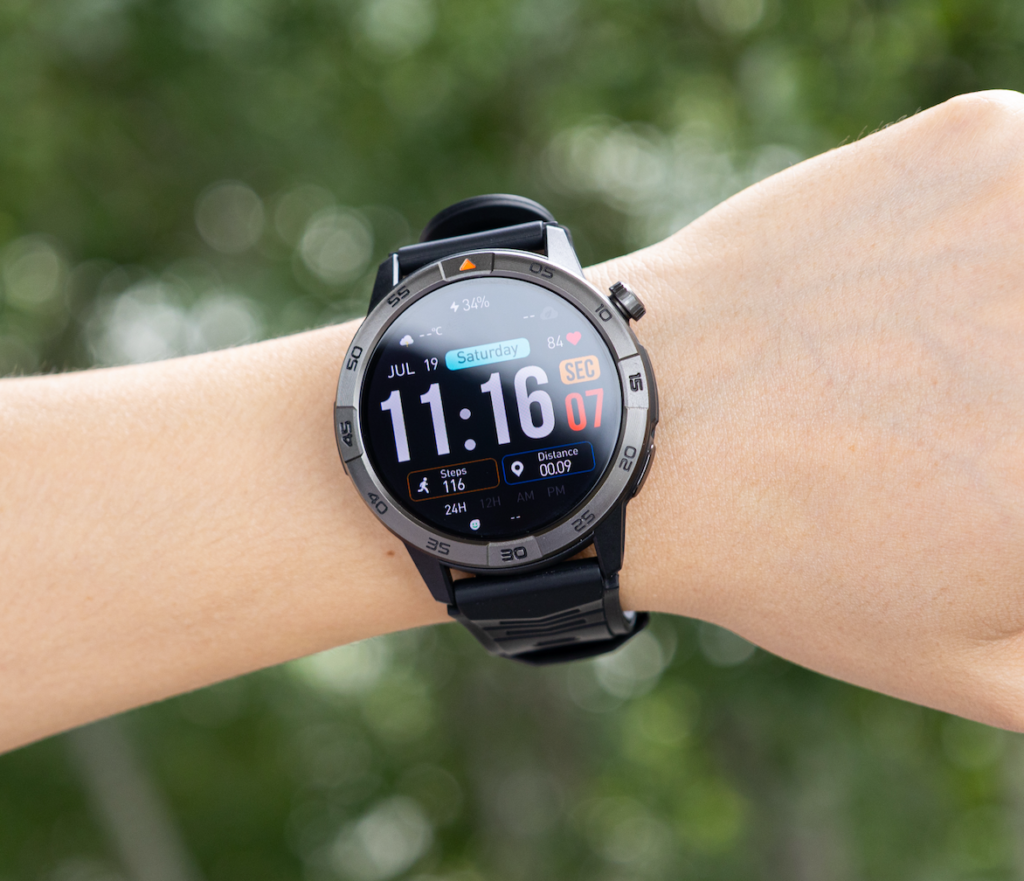
At the Handoff Strip, check for trapped moisture, sliding, pinching, pressure marks, odor retention, irritation, and contact with work clothing. A small fit adjustment can pass. Repeated removal because the watch remains uncomfortable weakens wear continuity.
A second band is not automatically disqualifying, but it changes the calculation. If a replacement is necessary for ordinary two-context wear, include its price and record the daily swap as a burden. Buyers concerned with longer ownership quality can separately test whether comfort and finish survive thirty days of wear.
The Sweat-to-Desk Comfort Gap appears when the watch passes active wear but cannot become acceptable work wear promptly. A smartwatch under 150 for gym and work use should not require discomfort to prove that one device covers both settings.
Stop Exercise Alerts From Flooding the Work Lane
Workout summaries, movement prompts, wellness reminders, texts, calendar events, promotional alerts, and calls can compete for the same display. More wrist activity does not mean more work utility.
Prepare the work-notification state before testing. Sort each notification source into Allow, Silence, Show Privately, or Send to Phone Only. Priority callers and useful reminders may remain visible. Exercise summaries can wait during member-facing work.
Hide previews that could expose member names, payment details, schedules, access information, employee information, or other private data. Personal-device and notification rules also depend on the workplace, so treat permission as Conditional until the applicable policy is confirmed.
If the coordinator repeatedly restores silenced apps, repairs permissions, or clears leftover exercise prompts, Notification Overlap has moved the phone problem onto the wrist. The Daily Friction Removal Ledger can show whether an interruption disappeared or was merely relocated.
For a smartwatch under 150 for gym and work use, alert continuity passes when the prepared work state presents useful information without a daily rebuild.
Keep Workout Tracking and Calls From Fighting for the Wrist
An incoming call can compete with the workout display, recording state, Bluetooth route, speaker, microphone, and battery. Exact behavior may vary by watch, phone, app, permissions, and software, so do not assume tracking continues correctly during or after a call.
In a safe setting, start the selected workout, observe what appears when a call arrives, identify whether recording continues or pauses, end the workout intentionally, and confirm that caller identity and the intended route remain available afterward.
Handle calls only while stationary, permitted, task-free, and private. During exercise, the correct choice may be Identify and Defer. In a public membership area, a wrist-speaker call may expose both sides of the conversation, so the phone or a later callback may be the appropriate channel.
The watch does not replace official workplace communication, emergency tools, records, or safety procedures. Private or complicated conversations should move to the phone or wait for a suitable location.
Before placing calling on the Work Lane, use the complete Bluetooth call-path check to confirm caller identity, controls, two-way audio, route stability, next-call readiness, and phone compatibility. Tracking-and-Call Conflict remains Unverified until the intended setup is confirmed.
Protect the Work Block From a Morning Battery Split
Headline battery duration cannot answer a mixed-use question by itself. The workout creates one debit. Display activity, Bluetooth connection, notifications, and permitted calls create another. A smartwatch under 150 for gym and work use needs enough remaining power for the defined second context, not a maximum measured under different conditions.
Record the battery at four points:
- Before the workout
- Immediately after the workout
- When work begins
- When work ends with the trip-home floor still protected
Choose that floor before testing. One universal percentage cannot represent every routine.
A required charge between contexts creates Battery Split and prevents True Two-Context Fit. An optional top-up may suit the buyer, but it must remain visible in the decision. Battery-saving modes receive credit only when they preserve every required function.
Use the Budget Endurance Gates to qualify the advertised operating mode before relying on its reserve. An “up to” battery claim should not be converted into expected mixed-use performance.
Score the Four Handoff Breaks Without Averaging Them Away
| Failure mode | Observable break | Verdict effect |
|---|---|---|
| Sweat-to-Desk Comfort Gap | The watch cannot become comfortable work wear after proper cleaning and drying | Downgrade or Fail |
| Battery Split | The workout leaves inadequate power for work and the selected reserve | Downgrade or Fail |
| Notification Overlap | Exercise or low-value alerts interfere with useful work information | Downgrade |
| Tracking-and-Call Conflict | Workout recording and call behavior interrupt or confuse each other | Conditional or Fail |
Do not average a critical failure into a passing score. For a smartwatch under 150 for gym and work use, missing or conflicting evidence remains Unverified, and the weakest required handoff condition controls the result.
Budget needs the same discipline. “Under $150” strictly means the required watch-and-accessory price stays below $150. A listing priced at exactly $150 sits at the boundary rather than below it. Buyers using a $150-or-less ceiling should state that rule clearly.
Confirm the live price, required accessories, phone compatibility, seller configuration, shipping, return terms, and warranty through the current-offer Keep-or-Skip review. A required replacement strap or other essential accessory belongs in the usable-cost calculation.
Issue One of Four Two-Context Verdicts
True Two-Context Fit
Choose this verdict only when the same watch completes the workout, crosses without a core-setting rebuild, becomes comfortable work wear, presents controlled notifications, preserves appropriate call readiness, avoids a required recharge, and finishes above the reserve floor. The complete required configuration must also satisfy the stated budget rule.
Gym-First Fit
Use this result when exercise support is convincing but work comfort, notifications, privacy, calls, or battery remains limited. A useful training watch is not automatically the requested one-watch solution.
Work-First Fit
Apply this verdict when alerts, ordinary comfort, and communication suit the afternoon, but active fit, workout controls, tracking behavior, or morning battery use fails the selected exercise requirement.
Separate Needs
Choose Separate Needs when multiple critical rows fail or the routine depends on another watch, repeated charging, daily reconfiguration, or a major accessory sequence. The product may still suit another buyer; it simply fails this one-device intent.
A smartwatch under 150 for gym and work use is not a True Two-Context Fit merely because its strongest features come from opposite sides of the board. Every required row must cross.
Questions That Decide Whether the Handoff Survives
Can I keep wearing the watch at work after sweating in it?
Only after following the exact care guidance and confirming that the watch, band, and skin are clean, dry, and comfortable. Water resistance alone does not establish all-day post-workout comfort.
Does one strap have to work in both contexts?
No, but a mandatory second strap adds cost and a repeated transition step. Record both before awarding the strongest verdict.
Should every work notification remain enabled?
No. Keep alerts that help the user identify, act, or defer. Silence low-value and sensitive previews that create interruption or privacy risk.
Is charging between the gym and work acceptable?
It may suit a particular buyer, but a required charge prevents True Two-Context Fit because the watch did not carry its own reserve across the handoff.
Are smartwatch calls private enough for work?
Not automatically. Speaker calls can be overheard. Complete them only while stationary, safe, permitted, and genuinely private.
Can workout tracking continue during a Bluetooth call?
The answer depends on the exact watch, phone, app, permissions, and software. Mark the interaction Unverified until it has been confirmed with the intended setup.
Is built-in GPS required for a gym workout?
Only when the buyer’s actual exercise routine requires independent route or distance recording. Indoor strength, treadmill, or stationary routines may prioritize different capabilities.
Does a required replacement band count toward the budget?
Yes. Include every mandatory accessory needed to make the watch suitable for both contexts.
How should a smartwatch under 150 for gym and work use be judged?
Judge it through one continuous day: required exercise completed, clean transition, acceptable work comfort, controlled notifications, appropriate call behavior, and sufficient far-side battery reserve.
Choose the Watch That Arrives at Work Ready
The Colorado Springs coordinator’s morning workout is only the first side of the purchase. The decisive evidence appears when exercise ends. Can the same watch become clean and comfortable work wear, activate an already prepared notification state, preserve the intended call route, and carry enough power through the afternoon and trip home?
The Gym-to-Work Handoff Board keeps those conditions connected. Gym-First Fit and Work-First Fit can still be reasonable purchases when the buyer knowingly favors one context. Separate Needs is the honest outcome when one device creates more transition burden than it removes.
The strongest smartwatch under 150 for gym and work use is the one whose required functions reach the Work Lane intact. Buy for the handoff, not for two unrelated feature lists.
The live feature page becomes useful after your board is complete. Compare its disclosed workout, notification, calling, comfort, and battery conditions with the one-watch gym-to-work feature set at the $150 boundary, and keep unsupported rows marked Unverified.