
At 8:47 p.m., the Palm Springs gallery has closed. One connected watch remains on an unlabeled pedestal, its price card turned face down before the next morning’s private preview. The luxury-retail merchandising manager must decide where it belongs. That is the problem with luxury smartwatches: similar-looking products can represent six different reasons for wanting luxury, and the wrong label can lead to the wrong ownership experience.
Luxury smartwatches fall into six main types: technology-first, heritage-watch, fashion-house, jewelry-style, performance, and limited-edition collector luxury. The right type is the one whose dominant value matches why you want luxury, still provides your required everyday functions, and carries tradeoffs you can accept.
These are not six price levels. They are six answers to one question: what should luxury contribute after the logo, reputation, and price disappear?
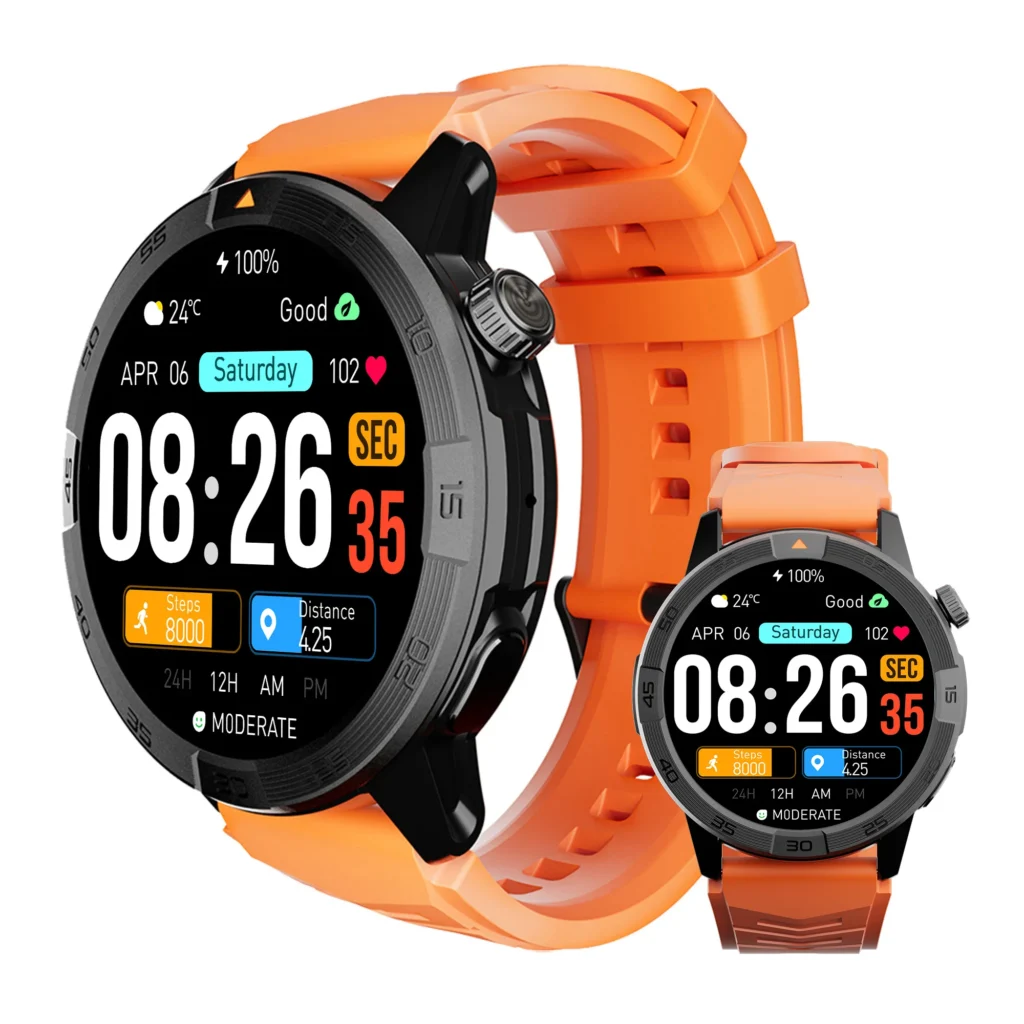
Turn the Price Card Face Down Before Choosing Luxury
Price cannot choose the room. A high asking price may create expectations, but it does not prove craftsmanship, useful technology, rarity, long-term support, or personal fit. The manager therefore covers the status cues and completes a five-line buyer-motive card.
- Dominant motive: What should feel elevated whenever the watch is worn?
- Required utility: Which smartwatch functions cannot be sacrificed?
- Public identity: Should the wrist communicate technology, tradition, fashion, adornment, achievement, or rarity?
- Ownership horizon: How comfortable is the buyer with software dependence and changing digital relevance?
- Collection role: Is this a working watch, event piece, specialist tool, or collection object?
The Palm Springs manager wants deliberate design identity across a resort-retail workday. Verified phone compatibility, discreet notifications, scheduling access, comfortable wear, and privacy controls remain necessary, but they are not the reason for seeking luxury.
Choosing a luxury type is also different from determining which premium tier the complete package actually reaches. One decision identifies the desired value; the other evaluates how completely a candidate delivers premium qualities.
Draw the Everyday-Utility Line Across the Gallery Floor
Before any candidate enters a room, it must cross an everyday-utility line. A visually impressive watch does not qualify if it fails a required phone connection, hides needed information, creates privacy problems, or becomes uncomfortable during the actual routine.
For the manager, the line includes verified compatibility, required scheduling and communication functions, discreet notification handling, and a fit suitable for a full working day. Watch checks occur only while stationary and permitted. Client names, vendor details, sales figures, and private schedules must stay off a publicly visible wrist.
The utility line does not select among luxury smartwatches. It only determines whether a candidate can enter the buyer’s gallery. The three corridors decide which form of luxury deserves the label.
Corridor One: Do You Want Progress or Permanence?
The first corridor divides technology-first luxury from heritage-watch luxury. One celebrates what connected technology can do now. The other draws value from what traditional watchmaking has represented over time.
The Technology-First Door Opens Toward What Comes Next
Technology-first luxury treats the connected experience as the elevated benefit. The buyer values polished interaction, verified compatibility, modern controls, digital convenience, and a coherent software experience. In this room, luxury smartwatches should feel advanced before they feel traditional.
The useful questions concern conditions, not feature quantity. Does the exact configuration work with the intended phone? Are required apps currently available? Which functions depend on a nearby phone, account, subscription, or another condition? What documentation exists for software and ownership assistance?
The buyer must accept that digital relevance may change faster than physical design. That sacrifice makes sense only when the connected experience is the primary source of luxury. The Palm Springs manager needs technology, but would not seek luxury merely to obtain more menus, screens, or data.
The Heritage-Watch Door Opens Toward What Came Before
Heritage-watch luxury emphasizes traditional case language, physical finish, tactile controls, watch-like proportions, and a connection to wristwatch culture. Craftsmanship, design lineage, and the feeling of wearing a watch rather than a gadget create the appeal.
This room needs two ownership timelines. The physical timeline covers construction, finish, care, sizing, and available service. The digital timeline covers compatibility, app dependence, battery condition, software continuity, and what happens if connected functions become limited.
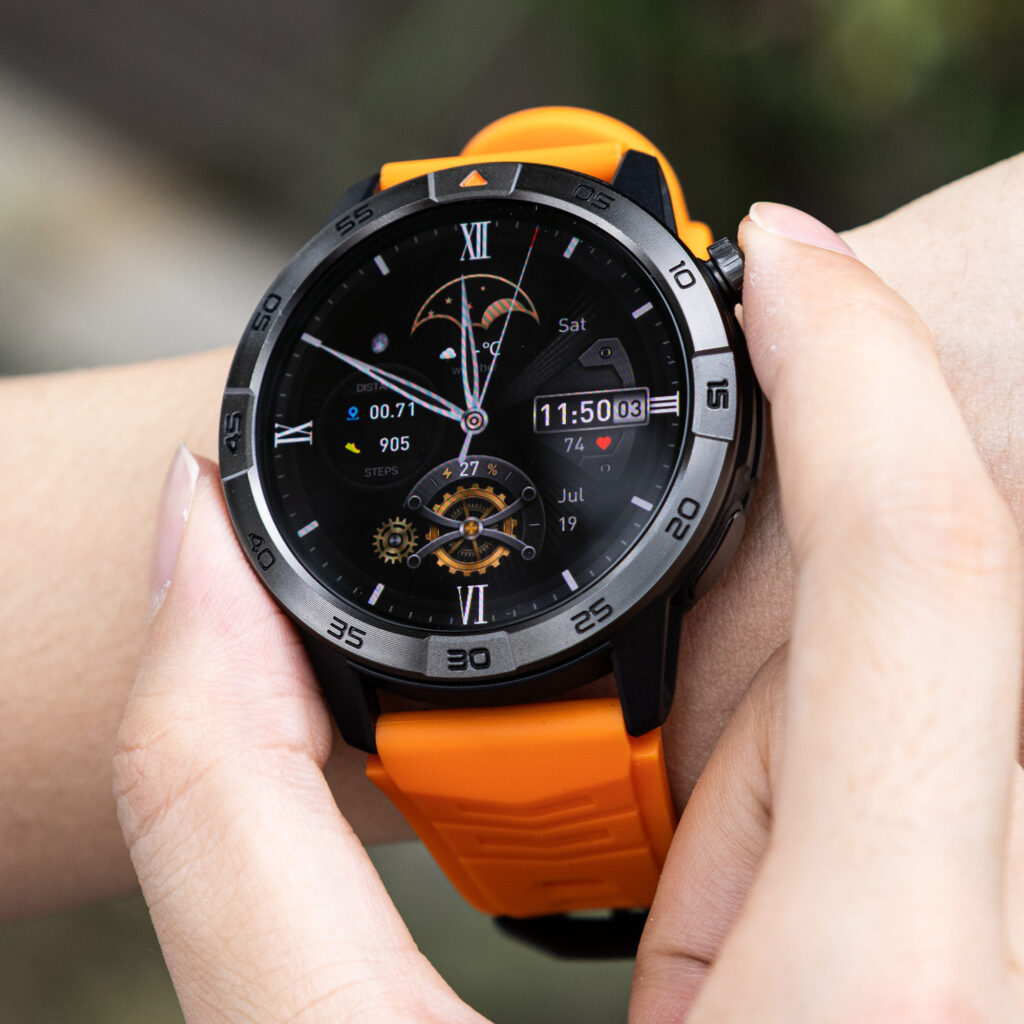
A buyer may accept narrower digital breadth for a stronger traditional-watch identity. Heritage cues, however, do not guarantee heirloom-like digital permanence.
Misplacement Notice: Heritage-Tech Clash
A Heritage-Tech Clash appears when the buyer expects permanent technological relevance, traditional independence, the newest connected functions, and no compromise. The buyer must decide whether advancement or continuity creates the stronger attraction.
The manager appreciates heritage but keeps moving. Technology clears the utility floor, and traditional design creates interest, yet neither supplies the dominant motive. Buyers who do select technology or performance should separately verify whether the required capability genuinely reaches a high-end ceiling.
Corridor Two: Should the Watch Style the Outfit or Become the Jewelry?
The second corridor separates fashion-house luxury from jewelry-style luxury. Fashion-house luxury authors the whole look. Jewelry-style luxury makes the watch itself the focal object.
Fashion-House Luxury Authors the Whole Look
Fashion-house luxury centers on design identity, wardrobe coordination, and the relationship between the watch and the wearer’s broader presentation. The watch does not need to dominate every outfit. Its value comes from making the complete look feel intentional.
The manager tests this room across one day: morning gallery setup, vendor presentation, afternoon merchandising reset, and evening client reception. The design must stay coherent through each transition rather than looking suitable for only one promotional image.
The buyer should verify sizing, exact configuration, documented personalization, strap options where available, current compatibility, notification visibility, and real wear comfort. Design authorship may cost more without adding technical capability. For the right buyer, that is the point rather than a defect.
Jewelry-Style Luxury Makes the Wrist the Focal Point
Jewelry-style luxury treats the watch first as adornment and second as connected technology. Proportion, surface treatment, documented materials, fit, closure, and visual impact become central.
The evening reception exposes the distinction. An ornamental configuration may look compelling, but the manager also checks comfort, notification discretion, display visibility, and care requirements. Materials must be documented rather than inferred from color, shine, or promotional language.
Misplacement Notice: Jewelry-Utility Mismatch
A Jewelry-Utility Mismatch occurs when an event-focused object wins under display lighting but fails the working day. Jewelry-style luxury remains valid when the buyer accepts a narrower role. It becomes a poor fit when the buyer later demands the versatility of a technology-first daily tool.
Fashion-house luxury survives for the manager. Wardrobe identity matters from morning through evening, while jewelry-only appeal would narrow the watch’s purpose too far. This is the first room where the dominant reason for considering luxury smartwatches remains intact.
Corridor Three: Do You Want to Accomplish More or Own Something Rarer?
Among luxury smartwatches, performance and collector types create a distinctive tension. One earns its place through repeated specialized use. The other can matter even when daily use is limited.
Performance Luxury Must Earn Repeated Use
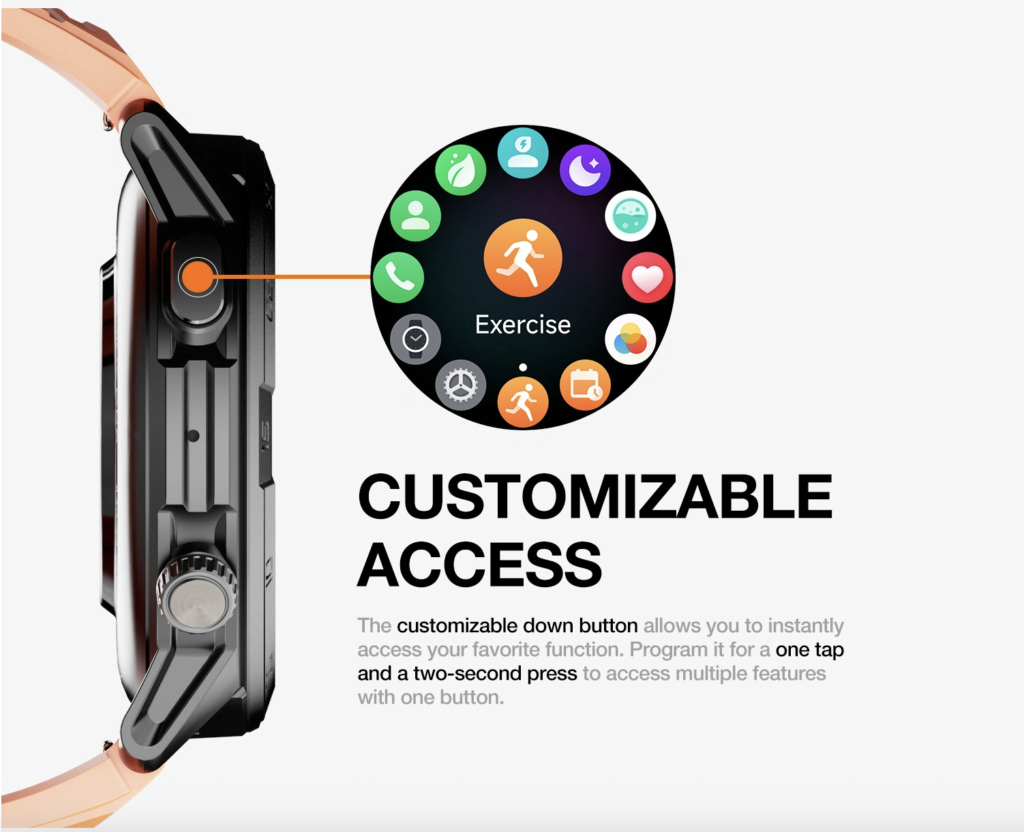
Performance luxury fits a recurring activity that matters to the buyer. Its identity may come from training, outdoor use, navigation, field readiness, or another defined context. Specialist appearance alone is not evidence.
The buyer must name the activity, frequency, decision supported, and proof required. Accuracy, water resistance, durability, mapping, sensor performance, and emergency usefulness should never be inferred from icons, rugged styling, or price. Consumer wellness functions do not become medical evidence because a watch is expensive.
The sacrifice is specialization. A candidate shaped around one activity may be less suitable elsewhere. The wrong-door signal appears when the buyer likes performance styling but cannot identify repeated performance use.
Collector Luxury Can Matter Without Daily Use
Limited-edition collector luxury derives value from documented rarity, provenance, collaboration history, collection completion, or personal significance. Daily utility may be secondary when the buyer knowingly wants a collection object.
The collector card asks what role the piece adds, whether the edition is documented, whether the buyer still wants it without a future resale assumption, and whether the digital ownership horizon is acceptable. Limited production, special packaging, or a high price does not establish future demand.
Misplacement Notice: Collection Duplication
Collection Duplication occurs when a candidate repeats a design identity, edition story, event function, or display purpose already present. Scarcity does not create a new ownership purpose by itself.
The manager rejects both doors as dominant. No repeated specialist activity justifies performance luxury, and the existing collection already includes display-oriented pieces. Buyers attracted to scarcity or novelty can identify which premium benefits remain meaningful after the early ownership period.
Return to the Rotunda When Two Luxury Types Survive
Some luxury smartwatches combine influences from several rooms. A useful cross-archetype fit still requires one dominant motive, one secondary influence, a cleared utility floor, no contradictory sacrifice, and an acceptable ownership horizon.
Technology can lead while fashion shapes presentation. Fashion can lead while jewelry strengthens event use. Heritage can lead while connected functions meet a defined secondary need. Performance can lead while traditional styling broadens wear contexts.
The invalid version demands maximum technology, permanent relevance, jewelry impact, specialist capability, traditional heritage, and guaranteed collector value. That is not versatility. It is unresolved Archetype Confusion.
The manager’s combination is simpler: fashion-house luxury is dominant, while technology remains a qualifying requirement. Identifying that benefit does not prove a higher price is rational. The buyer may still need to decide whether the matched luxury benefit justifies paying more.
Correct These Gallery Labels Before the Preview
Can Technology-First Luxury Still Look Traditional?
Yes. Appearance and dominant motive are different. Ask which loss would matter more: reduced connected capability or reduced traditional-watch identity.
Does Heritage Make a Smartwatch Last Like a Traditional Watch?
No. Physical design, software dependence, battery condition, app availability, and service continuity require separate evidence.
Are Fashion-House and Jewelry-Style Luxury the Same?
No. Fashion-house luxury coordinates with a wider design identity. Jewelry-style luxury makes the watch itself the ornamental focus.
Do Expensive Materials Decide the Luxury Type?
No. Materials can support several types, but they do not reveal why the buyer wants luxury.
Does Limited Production Make a Smartwatch Collectible?
Not automatically. Documentation and personal collection relevance can be evaluated; future demand and resale value should not be assumed.
Can Performance Luxury Fit a Non-Elite Buyer?
Yes, when a repeated activity creates a genuine need for specialization. Prestige alone is insufficient.
Can Luxury Smartwatches Replace Traditional Watches?
They may replace a traditional watch’s practical or wardrobe role. They do not automatically reproduce its software independence, ownership horizon, emotional meaning, or collection purpose.
Can One Watch Belong in Three Rooms?
It may contain several influences, but the buyer still needs one dominant motive. Without that priority, the shortlist keeps mixing incompatible ownership promises.
Print One of Four Final Gallery Labels
Luxury Archetype Match applies when one type clearly leads, the utility floor remains protected, the characteristic sacrifice is acceptable, and the collection role is distinct.
Cross-Archetype Fit applies when two compatible types matter, one remains dominant, and the secondary type strengthens rather than contradicts the first.
Collector-Only Appeal applies when the watch has collection meaning, daily utility is secondary, digital aging is accepted, and no resale promise is required.
No Luxury Fit applies when the buyer mainly needs ordinary connected convenience and no luxury motive remains meaningful after status signals disappear.
The manager prints Luxury Archetype Match — Fashion-House Luxury. Authored design matters throughout the workday. Jewelry-only use is too narrow, collector significance is unnecessary, and technology remains a required floor rather than the primary source of luxury.
For luxury smartwatches, that label chooses the room, not the watch. A candidate must still prove that its complete ownership relationship supports the luxury promise across purchase, documentation, personalization, service, software, repair, recovery, and continuity.
The Right Luxury Type Makes the Shortlist Smaller
The face-down price card did its job. Without price and prestige making the decision, the manager identified what the watch needed to contribute, which sacrifice was acceptable, and where the exhibit belonged before the morning preview.
The same discipline improves any search for luxury smartwatches. Do not begin by asking which candidate appears most luxurious. Decide whether luxury should mean technology, heritage, fashion, jewelry, performance, or collector significance. Protect the utility floor, accept the type’s real tradeoff, and compare only the watches that belong in that room.
Place the available evidence beside your completed gallery label and compare this smartwatch candidate with your selected luxury type before deciding whether it belongs on your shortlist.