
7:12 a.m.—clock out. 8:05 a.m.—uniform changed. 11:40 a.m.—sleep begins.
Overnight charging makes little sense when overnight was the work period. For a Dayton hospital technician comparing a smartwatch for shift workers with long battery life, the harder question is not how many days appear in a battery claim. It is whether one practical charging routine still works when sleep moves from night to morning or afternoon.
Most advice assumes the watch comes off at a familiar bedtime, the charger sits beside the bed, and the same evening repeats tomorrow. Rotating schedules break all three assumptions. The Rotating-Sleep Charging Fit leaves one charger in place, moves three sleep clocks around it, and approves only the charging opportunities that survive every position.
A long-battery watch fits rotating work when at least one repeatable off-wrist activity remains available across day, evening, and night schedules. The strongest anchor follows something the worker already does—such as showering after work or eating after waking—instead of depending on one fixed hour.
Fix One Charger Inside the Dayton Routine
Start with the physical location of the charger, not the advertised battery duration. A Dayton sterilization technician might keep the cable on a bathroom shelf, kitchen counter, bedroom nightstand, entryway station, or small home-office desk.
Choose one primary location for the test. Moving the charger around the house each time the schedule changes creates another task to remember and makes a weak routine look more flexible than it really is.
Look for a location the worker crosses after every shift
A useful charging point sits inside a repeatable path. The bathroom may work because every shift ends with a shower. A kitchen counter may fit when the first meal after waking always happens there. An entryway can be practical when the watch comes off during uniform changes.
The best location is not automatically the closest outlet. It is the place where the watch can leave the wrist naturally, the cable remains accessible, and the worker is unlikely to walk away before reconnecting it.
A bedside charger can hide a fixed-bedtime dependency
Nightstand placement looks convenient when sleep happens overnight and the wearer does not use the watch in bed. The same location becomes weaker when sleep begins near noon, a wake alarm is needed, or sleep tracking remains part of the routine.
Bedside charging may still pass, but it must earn its place on all three clocks rather than receiving credit because conventional sleep happens at night.
Mark the U.S. Hospital Hours When the Watch Must Stay On
Before searching for open charging windows, mark the periods when removing the watch would interfere with a real requirement. These are the required-wear bands.
Work-required bands depend on the hospital setting
During a U.S. hospital sterilization shift, a technician may rely on selected functions for time awareness, approved reminders, break cues, or priority contact identification. Workplace rules can differ by hospital, department, and task area, so the article should never assume that watches are permitted in every sterile-processing zone.
The user should map only the functions actually allowed and needed in the Dayton workplace.
Sleep can be a required-wear band too
Some American users want the watch available during sleep for a wake alarm, personal sleep tracking, or selected household alerts. Others prefer to remove it. Neither choice should be treated as universal.
If the watch must stay on during sleep, bedtime is not a charging window at all. The plan must find another activity when removal is acceptable.
Personal-transition bands can close an obvious gap
The watch may remain useful during the drive home, family coordination, meal preparation, exercise, or a medical routine. These periods should be marked only when they genuinely matter to the Dayton technician.
Readers focused on surviving the work block itself can separate long-shift endurance from rotating-schedule charging access. Article 214 asks where the next usable charge fits once sleep starts moving.
Replace Fixed Clock Times With Movable Activity Anchors
A clock-time rule stays still while the worker’s day rotates around it. “Charge at 9:00 p.m.” may work on days, collide with an evening shift, and become meaningless during nights.
An activity anchor moves with the routine. The hour changes, but the sequence remains recognizable.
After-work anchors follow every clock-out
Possible examples include:
- Showering after work
- Changing out of the uniform
- Eating a seated meal
- Completing a short decompression routine
The watch can charge only if none of those moments carries a required function. An after-work shower may be strong because it happens after all three shift types, but it fails when the worker immediately leaves for another responsibility and never reaches the charger.
After-waking anchors move with sleep
The first meal after waking, a shower, packing food, or preparing clothes may offer a second opportunity. On day shift, that routine might occur before sunrise. During night rotation, it may happen in late afternoon.
The clock moves; the trigger remains.
Pre-shift preparation can work, but only with enough margin
A worker may have a repeatable block for dressing, packing meals, or checking the day’s schedule. That window is weak when the watch is already needed for departure reminders, household coordination, or travel to work.
Memory should attach to the activity
A simple trigger such as “work shoes off, watch on charger” travels better than an alarm set for one conventional bedtime. The action itself prompts the charging step.
Rotate Three Sleep Clocks Around the Same Charger
Now place three transparent 24-hour rings around the fixed charger. The schedules are viewed together rather than tested as three separate weeks.
Day-shift clock
Work fills much of the daytime, while the main sleep window usually falls at night. Bedtime charging may appear easy here, but it receives no special advantage.
Evening-shift clock
Sleep, waking, meals, and preparation move later. A fixed 10:00 p.m. charge now collides with active work, while an after-work anchor may move into the early morning.
Night-shift clock
The work period occupies the hours when ordinary charging advice assumes sleep. After the shift, the technician may not sleep until late morning or near noon. “Charge overnight” has become unusable because overnight was the required-wear period.
Inspect the activity pins through all three rings
Place the same candidate anchors on every layer:
- After-work shower
- First meal after waking
- Pre-shift preparation
- Off-duty seated routine
A pin survives only when the activity exists on all three rings, the charger is accessible, the watch can leave the wrist, and no required function is displaced.
This simultaneous overlay prevents the article from becoming a day-shift chapter followed by an evening-shift chapter and then a night-shift chapter. The evidence comes from cross-rotation visibility.
Find the Dayton Charging Windows That Survive Rotation
Each remaining pin needs four eligibility stamps:
- Off Wrist: The watch can be removed without losing a required function.
- Charger Access: The cable, outlet, and watch are together.
- Suitable Interval: The available period fits the exact model’s verified charging behavior.
- Survives Rotation: The activity still occurs under all three schedules.
After-work shower
This is often a strong candidate because every shift eventually ends. It passes only when the technician normally goes home, reaches the charger, and does not need the watch immediately for another responsibility.
The available interval must suit the exact model. No universal number of charging minutes should be assumed.
First meal after waking
This pin travels naturally with the sleep window. It may work when the user is seated, awake, near the charger, and not relying on the watch for an immediate task.
The routine weakens when meals happen away from home or when the charger sits in another room.
Pre-shift preparation
A predictable preparation block can provide a top-up opportunity. It fails when the worker needs the watch for departure timing, family messages, or the commute.
A backup activity anchor can protect the routine
One primary pin may be enough for some devices and use patterns. A secondary pin adds resilience when overtime, appointments, or household duties remove the first opportunity.
Charging frequency still depends on the exact watch, settings, battery condition, calls, display use, alerts, and connection behavior. The overlay identifies opportunity; it does not promise a fixed interval.
A watch may remain powered through the shift and still fit poorly afterward. Readers can compare uninterrupted shift use with the separate problem of finding the next charge.
Reject Bedtime-Only Charging for American Shift Workers
A routine becomes bedtime-locked when it succeeds only because sleep happens at night and the watch is removed before bed.
Nighttime is not a universal off-wrist period in U.S. workplaces
American hospitals, factories, transportation operations, hotels, and public services all include roles performed outside conventional daytime hours. The point does not require a statistic: a charging plan tied exclusively to nighttime will fail whenever nighttime is the work period.
Sleep tracking can close the expected window
Even when the worker is home and asleep, the watch may still be needed for a wake alarm, personal tracking preference, or selected alerts. In that case, sleep is a required-wear band rather than an open charging period.
Rotation can break a remembered routine without creating forgetfulness
The technician may remember perfectly and still lack a usable opportunity. A plan designed around a fixed nighttime bedroom visit can disappear when sleep moves to noon.
That is a schedule mismatch, not a memory problem. Readers dealing with an available charge they simply miss can separate a missing charging opportunity from forgetting an available one.
Keep the Two-Shift Handoff Outside the Sleep Overlay
A double shift and a rotating sleep schedule may both involve long work periods, but they ask different questions.
A handoff has no sleep reset
The Two-Shift Resetless Test examines whether required functions cross directly from one work role into another without charging. No sleep opportunity sits between them.
A rotating schedule changes the geometry of home life
Article 214 moves work, sleep, waking, meals, and household routines around a 24-hour clock to locate a usable charge.
Use the neighboring page to test two roles that meet without a sleep reset. Keep the three-clock overlay for schedules where the main sleep window itself rotates.
Issue the Rotating-Sleep Charging Fit Verdict
Three-Clock Anchor
At least one activity-based opportunity keeps all four eligibility stamps across day, evening, and night schedules. A backup pin may also survive.
Verdict: The charging routine fits the full rotation.
Two-Clock Compromise
The same anchor works on two rings but collides with required wear, charger access, or sleep use on the third.
Verdict: The watch fits part of the rotation but needs a separate plan for one schedule.
Bedtime-Locked
The charging routine succeeds only when the worker sleeps at night and removes the watch before bed.
Verdict: The plan does not fit rotating sleep windows.
No Stable Charge Anchor
Every proposed activity loses at least one eligibility stamp. The problem may be charger placement, required watch use, available interval, or lack of a repeatable off-wrist routine.
Verdict: The device or charging arrangement needs reconsideration.
Advertised battery days do not rescue a failed overlay

Long manufacturer-stated endurance may reduce how often charging is required, but the eventual charging event still needs somewhere to fit. Actual performance can vary with usage, settings, battery age, calls, notifications, display activity, and connection behavior.
Turn the Dayton Overlay Into a U.S. Buying Rule
The watch must offer at least one practical charging opportunity tied to a recurring activity that remains available when sleep rotates among day, evening, and night schedules.
Compare candidates with the same American routine
Keep the Dayton household, charger location, required-wear bands, sleep-use preference, activity anchors, and three shift patterns constant. Changing the routine between watches weakens the comparison.
Verify the exact charging setup
U.S. consumers should check the model’s charging cable or dock, connector requirements, manufacturer-stated charging behavior, battery settings, alarm use, sleep features, and phone dependencies.
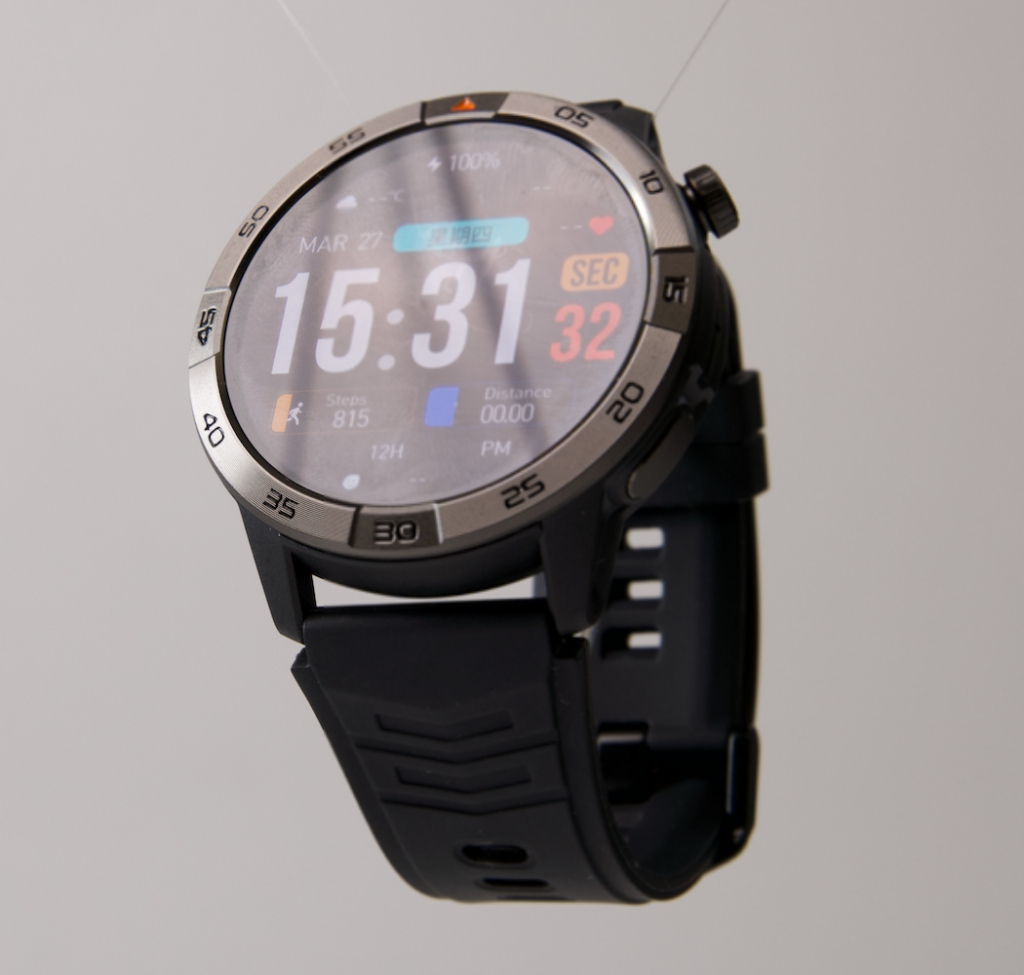
No single top-up time should be presented as universal.
Use current U.S. seller policies carefully
A return period may give the buyer enough time to run an off-duty paper-and-routine simulation, but opened-product rules, fees, exclusions, and return windows vary by seller. Confirm current terms before purchase.
Link charging access back to battery value
Battery continuity matters only when the watch can reach its next practical charge without removing a needed function. The broader battery discussion can help readers connect charging access to the reason battery continuity matters.
Questions From U.S. Shift Workers About Rotating Charging
Why does fixed-bedtime charging fail for rotating shifts?
Bedtime moves. A nighttime charging rule can collide with evening or overnight work and may also conflict with sleep tracking or wake-alarm use.
Is charging after every shift required?
Not necessarily. Frequency depends on the exact watch, settings, battery condition, and use. The test asks whether a practical opportunity exists when charging becomes necessary.
Can daytime sleep serve as the charging window?
Yes, when the wearer does not need the watch during sleep. When a wake alarm, personal tracking preference, or selected alerts keep the watch on the wrist, another activity anchor is needed.
Does long battery life solve the rotation problem?
It can reduce charging frequency, but it does not identify where the eventual charge fits.
What is the best non-bedtime charging anchor?
There is no universal answer. An after-work shower, first meal after waking, or pre-shift preparation period can work when it remains repeatable, accessible, and compatible with required watch use.
Should the charger move when the shift changes?
A second charging location may help some users, but constant charger movement introduces another dependency. Test one stable location before adding more equipment.
How is this different from testing a watch for double shifts?
A double-shift test follows function transfer between adjacent work roles without charging. The rotating-sleep test looks for a usable charging opportunity as sleep moves around the 24-hour clock.
The Clock Can Move Without Breaking the Charging Plan
On the night rotation, sleep began close to noon. During another part of the schedule, the same Dayton technician may sleep at night again. The charger did not need a new clock time; it needed an activity anchor that moved with the worker.
Work and sleep bands rotate. The charging location stays fixed. Bedtime-dependent pins disappear, while activities such as an after-work shower or first meal after waking remain visible only when they truly fit all three clocks.
For a smartwatch for shift workers with long battery life, endurance is only half the decision. The charging plan must still exist when nighttime becomes work, daytime becomes sleep, and the usual bedtime assumption no longer applies.
Place one charger at the center of your routine, rotate day-, evening-, and night-shift sleep windows around it, and mark the activities when the watch can genuinely leave your wrist. Before choosing a model, compare its charging needs with your three-clock overlay and reject any routine that works only because bedtime stays fixed.