
Train arriving. Doors soon. Platform crowd shifting. The caller name appears on the wrist at the exact moment the commuter needs both attention and timing.
A smartwatch for commuting calls hands free should not be judged by whether the wrist can answer. It should be judged by which commute state gives the call a green stationary gate. If the state is moving, crowded, noisy, or about to change, the call waits.
For a transit benefits administrator in Jersey City, New Jersey, one commute may include sidewalk walking, a street crossing, platform waiting, boarding, seated travel, a transfer, and an arrival pause. Calling convenience changes at every step. The Stationary Commute Gate marks each state red, amber, or green before the worker answers without retrieving the phone.
Why U.S. Commuting Calls Need Gates, Not a Generic Hands-Free Promise
American commuters rarely move through one simple environment. A short trip can pass through traffic exposure, ticketing pressure, platform noise, crowded boarding, seated travel, and a transfer with signs and announcements competing for attention. A watch call may feel easier than pulling out a phone, but easier does not automatically mean suitable.
The first question is not, “Can the watch answer?” The better question is, “What commute state am I in right now?” Sidewalk movement, street crossings, boarding lines, stairs, escalators, and transfer rushes all demand attention. A hands-free call can still divide focus during those moments.
The Stationary Commute Gate separates call notice from call handling. The watch may show who is calling, vibrate clearly, or offer a quick decline. The commuter still assigns the current state a color before speaking.
| Gate color | Meaning | Call decision |
|---|---|---|
| Red | Movement, crossing, boarding, crowd navigation, stairs, escalators, or transition pressure exists | Defer |
| Amber | The commuter is paused, but noise, crowding, timing, or awareness pressure remains | Evaluate or defer |
| Green | The commuter is stationary, stable, permitted, and able to end the call before the next transition | Brief call may fit |
This commute-state logic differs from broad daily hands-free use. Readers comparing those situations can separate commute-state gates from everyday hands-free moments. Article 270 focuses only on public-transit and walking commute states.
Draw the Jersey City Commute Line Before Answering
A commute line gives the call a location before it gets a response.
The Jersey City commuter might leave home, walk toward transit, cross a street, wait on a platform, board with other riders, sit for part of the ride, transfer, and pause near the destination. A call can appear at any point, but only some points deserve a green gate.
Use the commute line like this:
| Commute state | Default status | Reason |
|---|---|---|
| Sidewalk movement | Red | The commuter is moving and monitoring surroundings |
| Street crossing | Red | Traffic exposure takes priority |
| Platform waiting | Amber | Stationary, but timing, noise, and crowding may change quickly |
| Boarding | Red | Boarding is an active transition |
| Seated ride | Green or amber | May support a brief call if stable and appropriate |
| Transfer | Amber or red | Navigation, crowd flow, signs, and timing compete for attention |
| Arrival pause | Green or amber | May work if the commuter has stepped aside and no next movement has begun |
The watch is useful when it supports this sequence: ring appears, state identified, gate color assigned, answer or defer, commute attention restored. Without that sequence, hands-free calling can become just another interruption during a moving commute.

Red Gate — Sidewalk Movement and Street Crossings in American Cities
Sidewalk movement is not a call window when the commuter must track people, curbs, bikes, turning vehicles, driveways, or traffic signals. Phone retrieval may be inconvenient, but that is not the main issue. The commute state itself stays unstable.
Crosswalk Answer happens when a commuter treats a wrist call as safer than reaching for the phone and answers during a crossing. The call may require only a tap, but the conversation still competes with traffic awareness and movement timing.
Street crossings receive a red gate. So do curb cuts, crowded sidewalk edges, stairs, escalators, and any walking segment where the commuter needs continuous attention. The watch can show the caller, let the commuter decline, or help them remember to call back later. It should not turn movement into a call state.
Vehicle-driving call rules sit in a different article, but the boundary is similar: movement changes the decision. For that comparison, readers can separate transit walking states from vehicle-driving call rules.
Gate note: Can hands-free calling work while walking?
For this commute model, walking through traffic exposure, crowd movement, stairs, or crossing points stays red. The call waits for a stationary gate.
Amber Gate — Platform Waiting Is Not Automatically Safe
Platform waiting looks like the obvious call opportunity. The commuter has stopped moving. The phone may remain in a bag or coat pocket. The watch shows the caller quickly.
Even then, the platform begins as amber, not green.
Crowd density, platform-edge distance, arrival timing, announcements, noise, and boarding pressure all matter. A calm wait away from transition pressure may support a brief call. The same platform turns red when the train arrives, the crowd shifts, or the commuter needs to prepare for boarding.
Platform Noise Masking appears when the call starts during waiting but the commuter cannot hear clearly, misses announcements, speaks louder than appropriate, or loses awareness of the boarding window. The problem is not only call quality. The commute state has changed around the call.
Do not treat platform waiting as a universal permission. A green gate needs stable position, normal speaking level, awareness of surroundings, and enough time to end before boarding starts.
Gate note: Is platform waiting safe for calls?
Not automatically. Platform waiting may become a call gate only when the commuter is stationary, away from transition pressure, aware of surroundings, and not about to board.
Red Gate — Boarding-Time Overlap During Public Transit Commutes
Boarding is a transition, not a conversation slot.
The commuter may need to move with a line, watch the doors, step carefully, manage a bag, make room for other riders, listen for announcements, or adjust quickly when crowd flow changes. A call that begins thirty seconds before boarding can become the worst-timed call of the trip.
Boarding-Time Overlap happens when a call begins in an amber platform state and spills into the red boarding state. The first few seconds may seem harmless. Then the doors open, the crowd moves, and the commuter has to divide attention between the caller and the transition.
A smartwatch should make deferral easy here. The useful action may be declining, sending the call to voicemail, or waiting for a seated ride or arrival pause. Answering faster is not the win. Preserving the boarding transition is.
Gate note: Should calls wait during boarding?
Yes. Boarding receives a red gate because the commuter is entering an active transition state.
Green Gate — Seated Ride Calls for U.S. Commuters
A seated ride can be the strongest green gate in a public-transit commute.
The commuter is no longer crossing, boarding, or walking through a crowd. Hands may be free. The phone can stay stored. A brief call may fit if the setting allows normal awareness, the conversation stays appropriate for nearby passengers, and the next transfer is not close.
The green gate still has limits. A crowded ride, loud car, nearby conversation, privacy-sensitive caller, or approaching stop can push the state back to amber. A call that begins well but continues into the next transfer fails the commute gate test.
Use this seated-ride checklist:
- The commuter is seated or fully stationary.
- No active boarding or exiting is happening.
- The next transfer or arrival is not immediate.
- The call can stay brief.
- Audio level suits the space.
- The commuter can still hear relevant announcements.
- The call will end before the next movement state.
Gate note: Does a seated train or bus ride count?
It can. The seated ride counts only when the commuter is stable, the call suits the setting, and the next transition is not close.
Amber Gate — Transfers and Arrival Pauses Around Jersey City
Transfers can trick commuters because they look like gaps between rides. In practice, a transfer may involve signs, platform changes, stairs, escalators, ticketing or app checks, crowd flow, timing pressure, and sometimes another street crossing.
Transfer Distraction happens when the call pulls attention away from the next required commute decision. The commuter may miss a sign, slow down in a crowd, ignore an announcement, or reach the wrong waiting area because the call occupied the mental space needed for the transfer.
Most transfers begin amber or red. They become green only after the commuter reaches a stable pause and no immediate movement task remains.
An arrival pause works the same way. The commuter may step out of the main flow, confirm the next walking direction while stationary, and handle a short call before moving again. If the pause sits near a doorway, curb, stair, escalator, or crowd stream, it remains amber.
Public-transit commute calls also differ from stop-based delivery calls. Delivery drivers use completed-stop slots; commuters use stationary gates. Readers comparing those two timing models can keep public-transit gates separate from completed delivery-stop calls.
Gate note: What if the platform or transfer area is noisy?
Noise, crowding, and announcement pressure can turn a possible call gate into a deferral. The call should wait if the commuter cannot hear, speak normally, or maintain awareness.
Build the Stationary Commute Gate Map
After walking the commute line, mark each state with its default color and call action.
| Commute state | Default gate | Call action |
|---|---|---|
| Sidewalk movement | Red | Defer |
| Street crossing | Red | Defer |
| Platform waiting | Amber | Evaluate; often defer near boarding |
| Boarding | Red | Defer |
| Seated ride | Green or amber | Brief call only when stable |
| Transfer | Amber or red | Defer until a stable pause |
| Arrival pause | Green or amber | Short call if stationary and permitted |
The map should stay personal to the real commute. One platform may be calm at 10 a.m. and crowded after work. A seated ride may be quiet on one route and too noisy on another. The gate color belongs to the state, the surroundings, and the timing together.
A useful watch supports fast triage. It shows the caller, makes decline easy, and lets the commuter wait for a green gate. It does not replace transit apps, ticketing apps, navigation, announcements, traffic awareness, emergency systems, phone access, or commuter judgment.
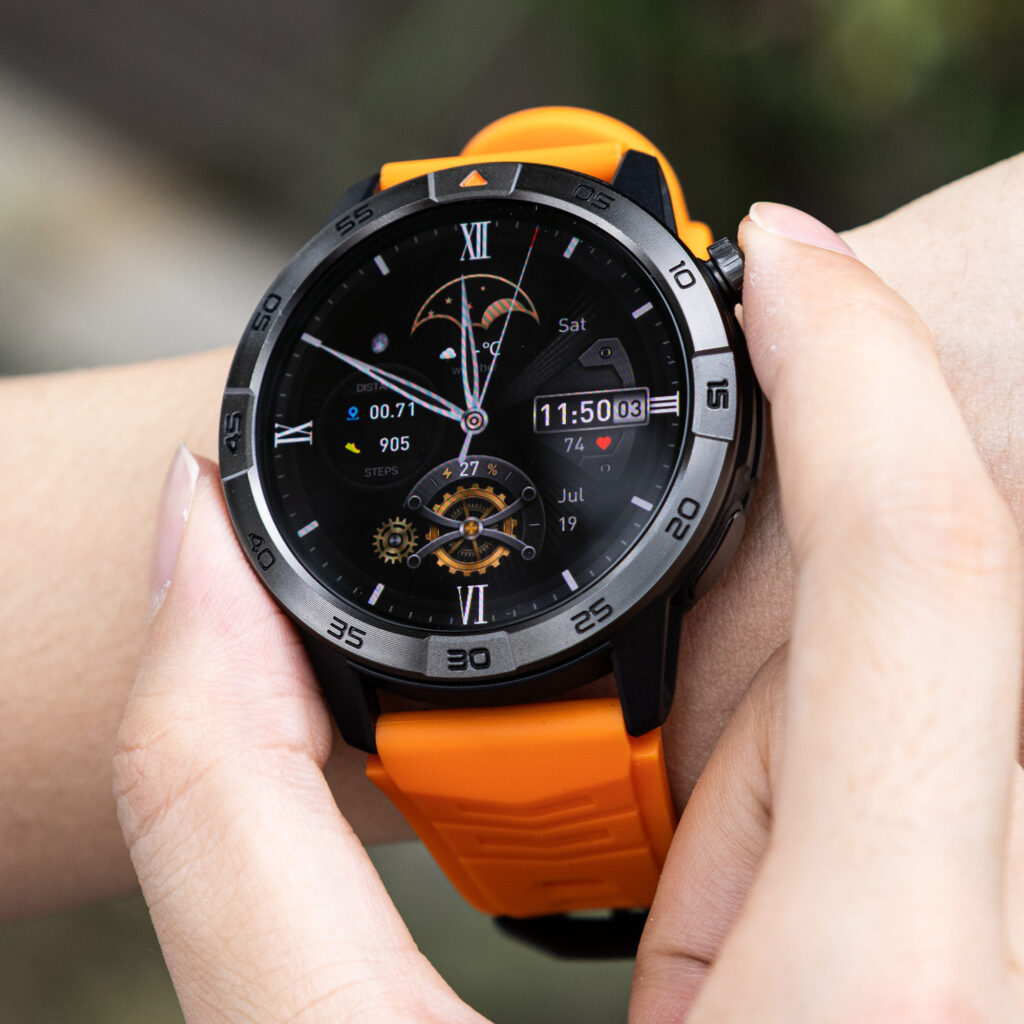
Commute-Gate Results for American Hands-Free Calling
The completed commute map receives one of four outcomes.
Stationary Commute Fit
Use this result when calls happen only at green stationary gates, phone retrieval drops, calls do not overlap crossings, boarding, transfers, stairs, crowd movement, or platform-edge pressure, and attention returns before the commute continues.
Seated-Ride Only
Choose this result when the watch helps during stable seated travel, but platform and transfer states remain too noisy, crowded, or time-sensitive. The feature still helps, but the commuter should treat most other commute states as defer zones.
Callback Required
Apply this result when calls usually appear during red or amber states and no green gate appears soon. The watch may help identify the caller, but the safest action is to return the call later.
Unsafe Timing
Use this result when the feature encourages calls during crossings, boarding, walking, crowd movement, stairs, escalators, or transfer rush. Hands-free convenience fails when it pushes a conversation into a moving commute state.
Older commuting-call needs may include battery, phone access, caller notice, and daily convenience. This article narrows the question to gate timing. Readers can compare stationary gates with broader commuting-call needs when they want that wider context.
Gate Notes: Questions Commuters Ask Before Answering
Is platform waiting safe for calls?
Not automatically. Platform waiting may become a call gate only when the commuter is stable, away from transition pressure, aware of surroundings, and not about to board.
Should calls wait during boarding?
Yes. Boarding is a red gate because the commuter is entering a movement and transition state. A call that begins right before boarding should usually wait.
Does a seated train ride count?
A seated ride may count when the call is brief, appropriate for nearby passengers, and finished before the next transfer or arrival movement begins.
What if the platform is noisy?
Noise can move the platform from possible green to amber or red. The call should wait if the commuter cannot hear, speak normally, or keep awareness of announcements and crowd movement.
Is hands-free safer than pulling out the phone?
Hands-free calling can reduce phone retrieval, but it does not make a moving or transition state suitable for a call. The commute state decides the answer.
The Commute Call Works Only When the Gate Is Green
Read the commute line before trusting the feature. Is the commuter walking, crossing, waiting, boarding, riding, transferring, or paused after arrival? Does that state deserve red, amber, or green? Can the call end before the next transition? Will attention return before movement resumes?
Hands-free commuting calls work only when the commuter answers inside a green stationary gate and closes the call before the route starts moving again.
Before testing wrist calling on a commute, draw the line from sidewalk movement to arrival pause. Mark crossings, platforms, boarding, seated rides, and transfers red, amber, or green. Use that map to compare this watch with your commute gate map instead of judging hands-free calling from a ringing screen alone.