
Two checkout tabs sat open on a laptop in a Pittsburgh music studio. One showed a watch priced below $200 with a short practical feature list. The other showed a much higher total beside more apps, sensors, materials, ecosystem tools, and connected services.
For a buyer searching for the best smartwatch under 200 compared to premium brands, that longer list can look like proof of value before the first lesson begins.
The private music instructor at the laptop does not need a showroom of possibilities. The teaching day depends on timers, lesson reminders, messages, studio breaks, and simple tracking. Every premium capability must earn a place in that month.
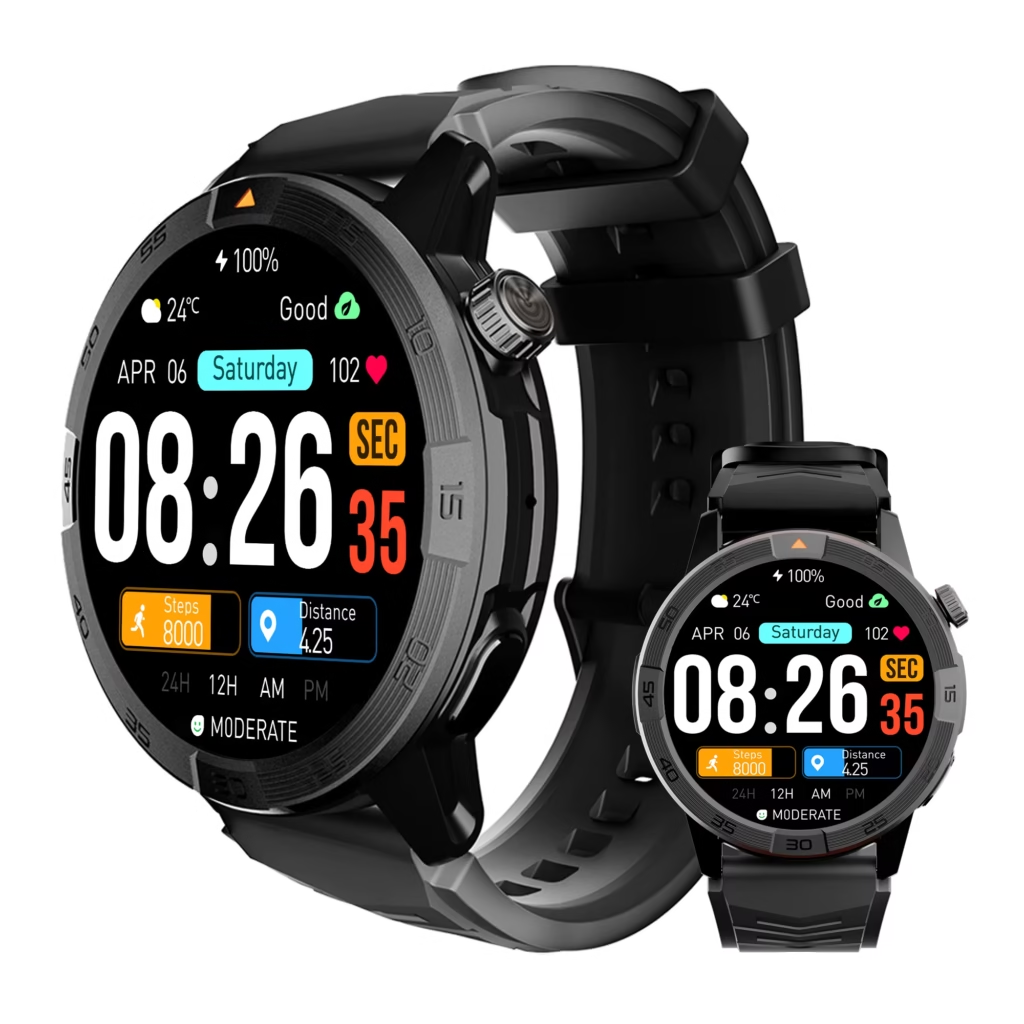
Begin With the Pittsburgh Teaching Month
Premium comparisons often start by counting what the expensive watch can do. That gives the premium model control of the decision: more functions become more points, even when the buyer has no reason to use them.
Reverse the order. The instructor’s real wrist-based tasks are:
- Start and stop lesson timers
- See useful messages between students
- Receive schedule reminders
- Check the time without reaching for a phone
- Record simple movement during long teaching blocks
- Keep the watch available through the working day
These needs connect to specific moments. A timer keeps one lesson from running into the next. A visible rescheduling message can prevent a missed update. A reminder helps the instructor use a narrow studio break for administrative work.
Interesting possibilities belong on another line. An advanced training mode, specialized app, payment function, or ecosystem service may sound appealing. Until the instructor can name when it will be used, it remains a possibility rather than a requirement.
Buyers working with a stricter ceiling can allocate a smaller smartwatch budget by task. This comparison has a different job: reveal which premium additions never earn their place.
Build the Premium Feature-Debt Ledger
Feature debt is not the same as having many features. A capability becomes debt when it remains unused while contributing to a higher purchase decision, added setup, a verified recurring charge, or dependence on an ecosystem the buyer does not need.
Create six columns:
- Capability
- Why it looked valuable
- Expected use
- Actual use after thirty days
- Setup or ownership burden
- Final verdict
An advanced scheduling app might look helpful because the instructor expects better lesson organization. Deeper phone integration may promise fewer manual checks. Premium materials may appear more suitable for a client-facing studio.
None receives automatic credit.
Capabilities vary by model, phone, account, region, and service plan. Verify the exact watch instead of assuming every premium model includes independent calling, offline navigation, identical apps, or the same health functions.
Add one plain explanation beside every feature. “Looked professional” carries less weight than “replaces a task I perform five times each day.”
Let Thirty Days Replace Feature Promises
Before purchase, estimate whether each function will be used daily, weekly, occasionally, only under a special condition, or not at all. These labels are predictions, not points.
During the next month, count deliberate use. A timer used across several lessons has evidence behind it. Message previews checked between students have a repeatable role. A basic activity summary may earn value when the instructor reviews it and changes behavior during long seated periods.
Do not count setup demonstrations, accidental openings, or an app launched once out of curiosity. A background feature has not earned value unless the instructor uses or acts on what it produces.
This is where long lists contract. An advanced lesson app may be installed on Saturday and abandoned by Tuesday. Specialized workout modes can remain untouched. An ecosystem tool may lose to the familiar phone calendar when a student requests a fast schedule change.
Thirty days will not reveal every seasonal, travel, or emergency need. It is still long enough to expose the capabilities expected to improve an ordinary teaching month.
Count Ownership Complexity for a U.S. Buyer
Some features create work before they provide value. Setup may require an account, companion app, permissions, notification changes, another connected service, data transfer, or an unfamiliar interface.
Continuing burden can include a documented subscription, another account, an eligible phone, a cellular plan, or repeated permission management. Record these only when verified for the exact watch or service.
Do not invent a dollar value for individual bundled features. Manufacturers generally do not divide the retail price into neat amounts for each app, sensor, or material. Use the verified difference between checkout totals, then add separately confirmed fees and dependencies.
Suppose the instructor spends an evening configuring an advanced scheduling service and connects a second account. Three days later, the phone calendar takes over again. That feature carries more debt than a harmless display option that was simply ignored.
A buyer facing migration expenses should separate the purchase total from switching costs. The ledger here stays focused on unused capability and its ownership burden.
Mark Each Line Earned, Idle, or Debt
Earned Feature
An Earned Feature repeatedly improves the instructor’s month. It may save effort, prevent a missed task, reduce phone handling, or support a routine.
A basic timer can qualify because it keeps lessons on schedule. Message visibility may qualify because it helps during the gap between students. Complexity does not determine worth; repeated utility does.
Idle Feature
An Idle Feature remains unused but creates little continuing burden. It may require no paid service, significant setup, or meaningful ecosystem commitment.
An untouched display layout might be idle. It does not justify the premium, but it is not a serious liability.
Debt Feature
A Debt Feature stays unused while carrying purchase-premium exposure, setup effort, recurring expense, or ecosystem dependence.
A premium service becomes debt when it helped make the expensive watch look superior, required configuration, and then disappeared from the teaching routine.
| Capability | Why it looked valuable | Expected use | Actual 30-day use | Burden or dependency | Effect if removed | Verdict |
|---|---|---|---|---|---|---|
| Lesson timer | Keeps sessions on pace | Frequent | Record use | Low | Immediate disruption | Earned |
| Message preview | Helps between students | Frequent | Record use | Phone link may be needed | More phone checking | Earned |
| Advanced app | Promised better organization | Weekly | Record use | Verify account or fee | Possibly none | Idle or Debt |
| Premium material | Looked suitable for studio use | Daily exposure | Record benefit | Included in price gap | Depends on comfort | Any verdict |
| Ecosystem tool | Suggested deeper integration | Occasional | Record use | Verify device dependence | Depends on workflow | Idle or Debt |
Compare the Debt-Free List With an Under-$200 Watch
Cross out every Debt Feature and set Idle Features aside. The remaining task list may be short:
- Dependable timers
- Useful message alerts
- Schedule reminders
- Basic activity information
- Comfortable daily operation
- A workable charging pattern
Now test the lower-priced watch against that list. Verify phone compatibility, notification behavior, timer and reminder support, tracking functions, app requirements, realistic battery claims, warranty terms, and U.S. return conditions.
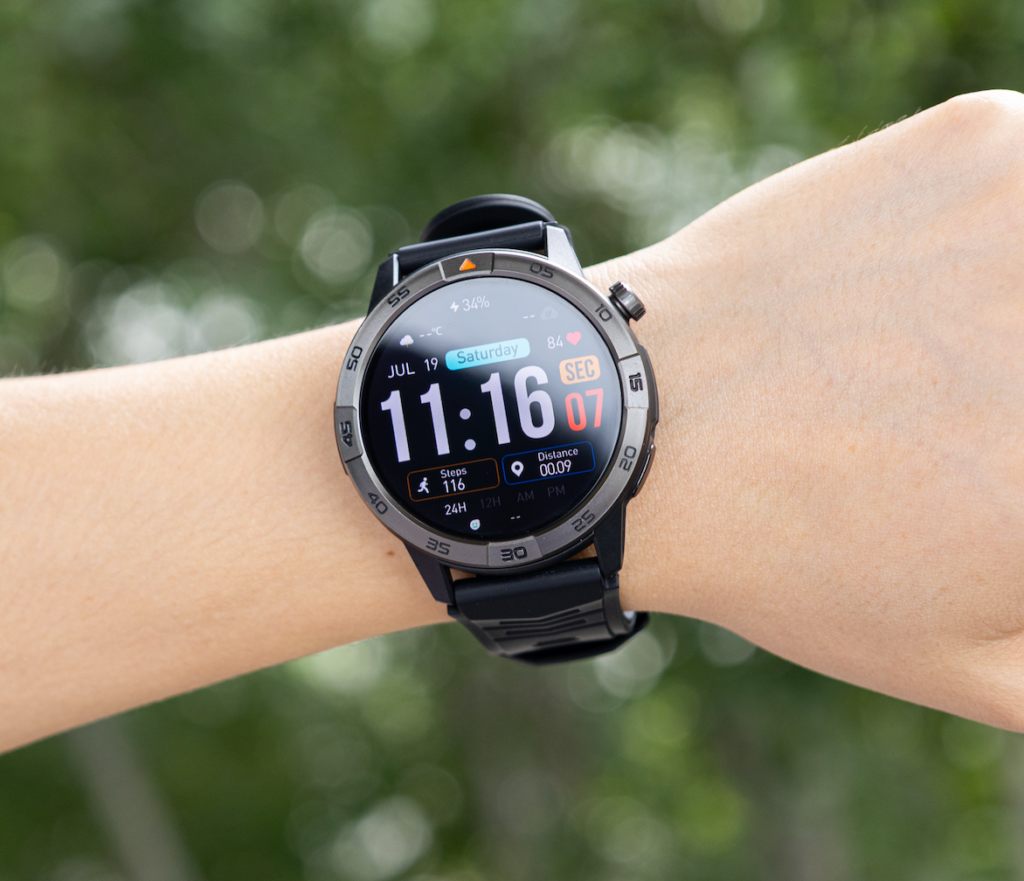
A cheaper watch does not win merely because it offers less. It must complete every retained task without creating a new problem. Missing an essential alert or failing to work properly with the instructor’s phone outweighs a lower checkout total.
Readers centered on broad daily usefulness can check whether everyday functions carry the purchase. Here, daily utility is the gate premium spending must pass.
When the Premium Brand Earns More Money
The ledger is not designed to force a budget victory. It stops unused capability from winning.
A premium watch may justify its price when several extra functions survive the month. Deeper phone integration might reduce administrative work. A specialized app could replace another tool. Better-supported compatibility may prevent missed messages. A material upgrade might produce an observed comfort benefit during hours of teaching.
Each advantage must connect to behavior.
Imagine an ecosystem tool that reliably moves lesson changes from the phone to the wrist and prevents interruptions while a student is playing. If removing it would cause repeated phone checks or missed updates, it may be Earned.
Advanced exercise analytics left unopened should not help defend the price. Neither should a voice assistant the instructor never uses or an app library valued only at checkout.
Buyers concerned with software polish, support, and ecosystem depth can assess those as separate premium expectations. The narrower test here is whether extra capability entered the month often enough to justify its burden.
Run the Thirty-Day Cross-Out Test
During week one, record accounts, permissions, apps, settings, and learning effort. Week two reveals which functions enter lesson preparation, teaching, schedule changes, breaks, and end-of-day review.
By week three, abandoned lines become visible: apps no longer opened, alerts disabled, services left configured, and functions replaced by the phone.
At the end of week four, cross out every premium function unused for the full month. Mark it Idle when it created little burden. Mark it Debt when it influenced the purchase, required work, added a fee, or tied the instructor to an unnecessary system.
Do not divide the purchase price by thirty. Do not assign an imaginary dollar amount to a sensor. Compare actual use, burden, and the verified difference between the two totals.
Return to the checkout tabs:
- Does the under-$200 watch cover every surviving task?
- Which premium capabilities remain Earned?
- Would losing them materially worsen the teaching month?
- Do verified fees or dependencies make the premium choice heavier?
The answers show which total carries useful capability and which carries feature debt.
Final Verdict: Cross Out Before Paying Up
The premium checkout still has the longer list, but many lines are now crossed out. The under-$200 choice offers fewer functions, yet its shorter list may cover everything that survived the month.
For this Pittsburgh music instructor, the lower-priced category wins when it handles timers, reminders, messages, simple tracking, and daily wear without leaving a required task uncovered. Premium spending is defensible only when surviving Earned Features repeatedly improve lessons, communication, or studio administration.
The instructor is not choosing fewer features for the sake of simplicity. The decision rejects capability that never enters the teaching month.
Keep the timers, reminders, message tools, and daily functions that survived. Cross out the rest, then match the thirty-day task list against the documented specifications before paying for a longer list.
Frequently Asked Questions
How many unused features make a premium smartwatch poor value?
There is no universal number. One unused function tied to a subscription or major ecosystem burden may create more debt than several optional tools that require nothing from the owner.
Should setup time count as feature debt?
Yes, when a feature requires meaningful setup but never repays that effort through repeated use. Record the burden without assigning an invented hourly dollar value.
Is a premium material unused if the watch is worn every day?
Not automatically. It may become Earned when the buyer observes a meaningful comfort, appearance, or durability benefit. Material claims still need model-specific evidence.
Can thirty days reveal every smartwatch feature the buyer may need?
No. Seasonal, emergency, and travel functions may require separate judgment. The test is strongest for capabilities expected to support an ordinary month.
Can a smartwatch under $200 meet a professional user’s needs?
It can when the exact model covers the buyer’s required tasks, phone compatibility, notification behavior, tracking needs, and charging routine. The price alone does not prove suitability.
Should subscription features enter the ledger?
Yes, but only when the fee and service requirement are verified for the exact model. Keep recurring charges separate from the purchase price.