
Order confirmed. Shipment created. Package delivered. Support link attached.
The expensive watch has passed through the same automated queue as an ordinary electronics purchase. No assisted selection appeared. No personalization handoff clarified the configuration. No ownership introduction explained care, setup, service, or recovery. The price promised distinction, but the pathway supplied only fulfillment.
A historic-hotel guest-experience director in Savannah, Georgia, recognizes the mismatch immediately. A refined room does not create a luxury stay when arrival, assistance, personalization, and problem resolution feel ordinary. The same standard applies to a luxury smartwatch. The object may look exceptional while the relationship surrounding it remains standard retail.
A luxury smartwatch requires more than a high price or refined case. Luxury ownership needs verified materials, meaningful personalization, polished daily interaction, accessible service, clear warranty handling, software continuity, and a dependable repair or recovery path. A critical service, software, or ownership-continuity gap prevents the complete luxury verdict.
The Luxury Ownership Service Passport follows one candidate through two circuits. The Arrival Circuit covers purchase, presentation, verification, personalization, and daily wear. The Recovery Circuit begins when ownership becomes inconvenient and the buyer needs help. Decorative stamps can open the passport, but denied service, warranty, software, or continuity stamps prevent complete approval.
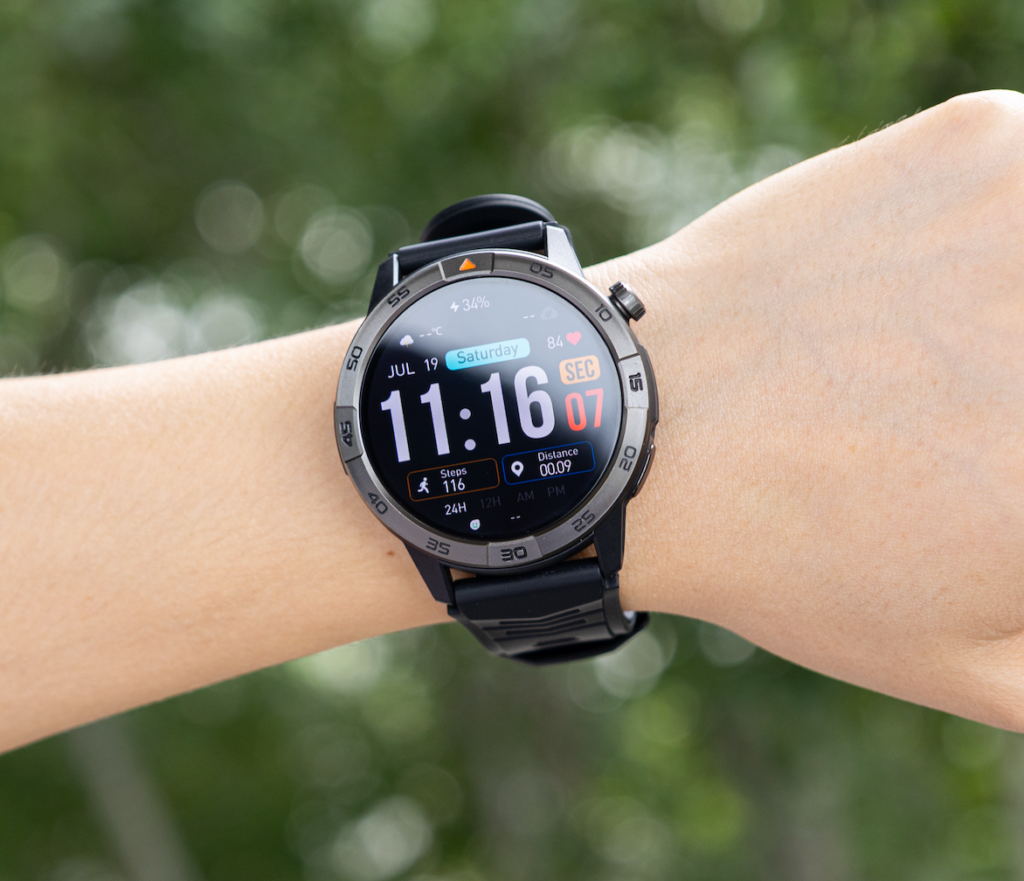
Declare the Luxury Standard Before Inspecting the Object
The Savannah director first defines the ownership standard the luxury position appears to promise. It should provide certainty before purchase, verified substance after delivery, relevant personalization, refined daily use, accessible assistance, understandable claim handling, digital continuity, and a recoverable path when something goes wrong.
This is not a price threshold. A higher price may signal how the seller wants the product positioned, but it cannot award any passport stamp. Attractive presentation cannot prove software continuity. Advanced technology cannot establish repair access. Exclusivity cannot replace warranty clarity.
The distinction also separates this decision from premium-tier classification. A buyer may separate a premium tier from a complete luxury ownership relationship before assuming that the highest-looking category provides the highest ownership standard.
The passport therefore records continuity rather than collecting isolated attractions. One weak decorative touchpoint may be acceptable. A broken critical handoff is not.
Verify the Savannah Handoff Before Opening the Box
The first inspection covers the pathway from seller selection to initial setup. The director records the exact seller, configuration, included components, order communication, delivered documentation, presentation quality, setup guidance, and visible route to assistance.
A polished box can contribute to ownership ceremony. It may create anticipation, organize the components, protect the product, or communicate care. Those qualities remain meaningful when they improve certainty and preparation. Packaging alone, however, cannot prove that the buyer received the correct configuration or will know where to turn when setup becomes difficult.
Ownership Ceremony Missing appears when the luxury position produces no meaningful handoff beyond payment and shipment. The opposite error also matters: elaborate presentation can conceal an unclear seller, incomplete documentation, or uncertain recovery path.
Before giving the Purchase Experience stamp, the director should verify the exact seller, configuration, and recovery path behind the offer. That lower-price article asks a different purchase question, but its seller and protection checks remain useful at every price level.
A luxury smartwatch earns this stamp through confident transition into ownership, not through a decorative box alone.
Authenticate the Object Before Admiring the Ceremony
The package is open, but the finish still needs evidence. The director separates what can be seen from what must be verified.
Appearance evidence may include proportions, polish, bezel treatment, strap presentation, display design, and how the watch fits a guest-facing environment. Material evidence requires more precision: the stated case material, screen covering, coating, strap composition, fastening method, construction information, care requirements, and any supported durability claims.
Luxury Material Shortcut occurs when an attractive render or expensive-sounding material name is treated as proof of the complete ownership experience. Exact materials may support the object’s value, yet they cannot establish sustained comfort, software quality, repairability, service access, or long-term digital usefulness.
The director records one of three outcomes:
- the material and finish evidence is verified;
- the appearance is convincing but the construction evidence remains incomplete;
- or the claim cannot be confirmed from the exact offer.
A broader quality check can keep material presentation separate from the wider evidence behind quality. For the passport, verified substance earns one stamp. It does not fill the remaining pages.
Personalization Must Change Ownership, Not Just Decoration
Personalization can deepen a luxury relationship when it improves fit, access, identity, or readiness. Depending on what the exact offer genuinely provides, the director might inspect sizing, strap selection, configuration choice, control setup, watch-face setup, assisted onboarding, presentation options, or another documented service.

A large watch-face library is not automatically luxury personalization. It may offer useful cosmetic choice, but the owner still performs the work alone. Meaningful personalization changes how the product enters the buyer’s routine or reduces the effort required to make it suitable.
The passport distinguishes three outcomes:
- Ownership personalization: the verified option improves fit, setup, control access, or ownership identity.
- Cosmetic configuration: the owner can alter appearance without receiving a deeper service relationship.
- Unverified personalization: promotional language suggests options that the exact purchase does not confirm.
No bespoke service, engraving, assisted fitting, or special configuration should be assumed. A luxury smartwatch receives only the personalization stamp the evidence can support.
Run the Watch Through a Savannah Guest-Service Day
The Arrival Circuit now moves beyond presentation. The watch must remain refined during ordinary use.
While seated in the guest-services office, the director checks a neutral event-transition reminder. Later, a selected caller alert appears without exposing a guest name, room number, reservation reference, payment detail, access code, private itinerary, or confidential staff message. A short call may be handled only from a stationary, private, safe, and permitted location.
No watch interaction belongs on stairs, while carrying luggage or hotel equipment, in a parking or loading area, while directing guests through a busy space, or during an urgent service issue.
The Daily Interaction stamp combines several qualities:
- sustained comfort during a guest-facing day;
- readable information at useful moments;
- responsive controls;
- restrained notification behavior;
- coherent phone and software interaction;
- and charging behavior that fits the declared routine.
A beautiful object with awkward controls may remain visually luxurious while failing this stamp. The same is true when a polished interface requires repeated correction or when the charging routine undermines availability. No battery duration or charging result should be assumed for an unspecified candidate.
Initial refinement also needs time to remain meaningful. Buyers can distinguish first impressions from benefits that must remain valuable throughout ownership. Article 323 tracks retention; this passport asks whether daily interaction begins at a luxury standard.
Interrupt the Easy Ownership Story
Everything has worked so far. That is not enough.
After an ordinary phone, account, or software interruption, one required setting becomes unclear. The example does not claim that the candidate has failed. It introduces a controlled ownership question: can the director identify the correct setup, recovery, and support path without losing continuity?
The Arrival Circuit ends here. The luxury smartwatch must now enter the Recovery Circuit, where service quality can no longer hide behind presentation.
Ask for Help Before Calling the Service Luxurious
The Service Access stamp is critical. The director looks for a clear support entry point, ownership-verification requirements, useful documentation, setup guidance, troubleshooting steps, account recovery, accessory assistance, and an escalation route when the first answer is insufficient.
Service Gap appears when the product feels exceptional until the buyer needs help. A generic support page may be perfectly adequate for ordinary electronics ownership. It should not be described as luxury-grade service unless the available pathway is clear, capable, continuous, and proportionate to the original promise.
The audit must not invent a personal concierge, priority queue, service center, live-chat option, phone line, or response time. It records only the channels and processes supported by the exact offer.
Repeated intervention can also erode an otherwise refined experience. A buyer may identify recurring support work that weakens an otherwise polished ownership relationship.
When service access remains vague, the passport receives a Critical Stamp Denied or Evidence Missing result. Presentation cannot compensate for that denial.
Send One Problem Through Warranty and Recovery
A warranty logo or short assurance cannot complete the next critical stamp. The director traces the full claim route through the exact documentation.
The inspection covers:
- whether warranty terms are available;
- what the buyer must document;
- which exclusions apply;
- what role the seller performs;
- how a claim begins;
- whether assessment, repair, replacement, or return is described;
- and how communication continues while the issue is unresolved.
Warranty presence, clarity, access, and handling are different evidence objects. A policy may exist but remain difficult to understand. A claim route may be clear without promising a luxury resolution. Return conditions may differ from warranty handling and should not be treated as interchangeable.
No coverage period, claim approval, repair program, replacement promise, or turnaround time should be invented.
The Warranty Handling stamp passes only when the exact ownership pathway is sufficiently clear. An expensive object delivered with ordinary or opaque claim handling points toward Luxury Object, Standard Service.
Keep the Digital Side Alive After the Physical Object Ages
A smartwatch cannot rely on physical refinement alone. Its required functions may depend on a companion app, the intended phone, permissions, an account, software services, data access, and the ability to restore settings after interruption.
The Software Longevity stamp examines current evidence for:
- app access;
- phone compatibility;
- account continuity;
- permission recovery;
- required services;
- available update information;
- configuration retention;
- and continued access to necessary data or controls.
Digital Obsolescence becomes a luxury problem when the physical object remains attractive but its required digital relationship becomes shallow, opaque, or unsupported. The audit cannot predict future update dates, app-store permanence, cloud-service continuity, or compatibility with phones that do not yet exist.
It can verify the present pathway and identify unanswered continuity questions. Buyers should trace the phone and software relationship that must remain intact before awarding this critical stamp.
A luxury smartwatch cannot receive Luxury Ownership Complete while the digital foundation that makes it smart remains uncertain.
Test Whether Ownership Can Continue After Disruption
The final critical stamp asks whether ownership can recover rather than simply whether the watch works today.
The director looks for evidence involving repair, replacement, accessory availability, charging-component replacement, documentation recovery, account reset or transfer, service escalation, replacement configuration, and any supported transfer pathway.
Three ideas must remain separate:
Ownership recovery
The current owner can restore the required function after a problem.
Ownership transfer
A future legitimate owner can receive documentation, reset access, and establish control when the available system supports that process.
Secondary value
Documented resale or transfer support may contribute to continuity, but it cannot create luxury by itself or replace service quality.
Future accessory availability, resale value, repair access, and transfer support should never be assumed. Evidence Missing is more honest than an unsupported promise.
Compare the Arrival Circuit With the Recovery Circuit
The director can now compare the two halves of the passport.
| Ownership circuit | Strong evidence may include | Critical weakness |
|---|---|---|
| Arrival Circuit | Clear handoff, verified finish, relevant personalization, refined interaction | Ceremony without service substance |
| Recovery Circuit | Reachable support, clear warranty route, digital continuity, repair and recovery | Ordinary, unclear, or unsupported ownership help |
A candidate can dominate the Arrival Circuit and still fail the complete passport. Fine presentation, convincing materials, useful customization, and polished daily interaction may establish a luxury object. They cannot erase denied critical stamps in service, warranty, software, or continuity.
That imbalance leads the Savannah example toward Luxury Object, Standard Service. The classification gives the physical product credit without overstating the ownership infrastructure.
Where the Luxury Passport Is Most Often Denied
Does an expensive material make a smartwatch luxurious?
It may support the Material and Finish stamp. It cannot complete service, software, warranty, or ownership recovery.
Is premium packaging part of luxury?
Yes, as ownership ceremony. It does not replace configuration certainty, documentation, or accessible help.
Does personalization require engraving?
No. Verified personalization may improve fit, setup, controls, presentation, configuration, or ownership identity.
Can a luxury smartwatch use standard online checkout?
Yes. Checkout alone does not decide the verdict. The full handoff and support pathway matter.
Must luxury service include a personal concierge?
No. Service must be clear, accessible, capable, and consistent with the luxury promise. A concierge should not be assumed.
Does a warranty automatically earn the critical stamp?
No. Terms, exclusions, seller responsibilities, claim access, and the handling route must be understandable.
Can weak software cancel physical luxury?
It can block complete luxury ownership when required functions, compatibility, account access, or continuity remain unsupported.
Does repair access matter while the watch still works?
Yes. Recovery is part of the long-term ownership relationship rather than a problem to consider only after failure.
Can resale establish luxury status?
No. Documented resale or transfer support may strengthen continuity, but it cannot replace ownership quality.
Issue the Luxury Ownership Verdict
Luxury Ownership Complete
The Arrival and Recovery circuits both hold, and every critical stamp receives adequate evidence.
Luxury Object, Standard Service
Materials, presentation, personalization, or daily interaction feel luxurious, but support, warranty handling, software continuity, or recovery remains ordinary.
Premium Tech, Not Luxury
The device provides advanced technology and useful interaction without a complete luxury ownership relationship.
Price Without Luxury
The label rests mainly on price, appearance, or promotional language while both ownership circuits lack evidence.
The Savannah guest-experience director reaches Luxury Object, Standard Service. The candidate may present convincingly and perform its ordinary role well, yet the passport cannot receive complete approval until the critical service and continuity stamps are verified.
This verdict does not claim that the product is poor. It states that a luxury smartwatch needs a stronger ownership relationship than a beautiful object supported through standard electronics pathways.
Place Luxury Ownership Above High-End Capability
High-end capability and luxury ownership answer different questions. Article 324 determines whether the technical domains reach an advanced ceiling. Article 325 asks whether that capability justifies paying more. This passport asks whether purchase, service, software, and recovery remain luxurious around the object.
Buyers can verify technical depth before treating it as part of luxury ownership and keep practical spend justification separate from the luxury service standard.
Luxury Must Survive the First Ownership Problem
The original support link proved that a help page existed. It did not prove a luxury service pathway.
Order communication may establish the purchase. Presentation may establish ceremony. Verified finish may establish an exceptional object. Refined controls may establish satisfying daily interaction. The first ownership difficulty reveals whether those strengths are surrounded by clear assistance, dependable handling, digital continuity, and a recoverable future.
For the Savannah director, ownership becomes truly luxurious when the product remains supported and coherent after admiration gives way to ordinary use and an unexpected problem. Until the critical stamps pass, the honest classification is Luxury Object, Standard Service, not complete luxury ownership.
Trace the purchase handoff, identify every critical service stamp, and place this watch inside your ownership passport before deciding whether its complete experience deserves the luxury label.