
“Good display. Good battery. Good reviews. Good app. Good comfort. Good choice.”
Which claim has proof?
A credit-union member-services trainer in Lincoln, Nebraska, is not searching for the watch with the most praise. Before calling it a good smartwatch, the trainer needs every load-bearing quality claim to survive the same required role: deliver a non-sensitive training-transition reminder reliably while the trainer remains engaged with the room.
A good smartwatch must have evidence that its required function works repeatedly, remains compatible with the intended phone, stays comfortable in the buyer’s routine, provides suitable battery life, keeps its required software usable, and comes from an exact offer with adequate seller and return protection. Specifications or ratings alone cannot prove the label.
The Goodness Evidence Stack places seven proof layers beneath the word “good.” Each lower layer carries every claim above it. When the foundation fails, an attractive display, long feature list, or high review average cannot hold the quality verdict in place.
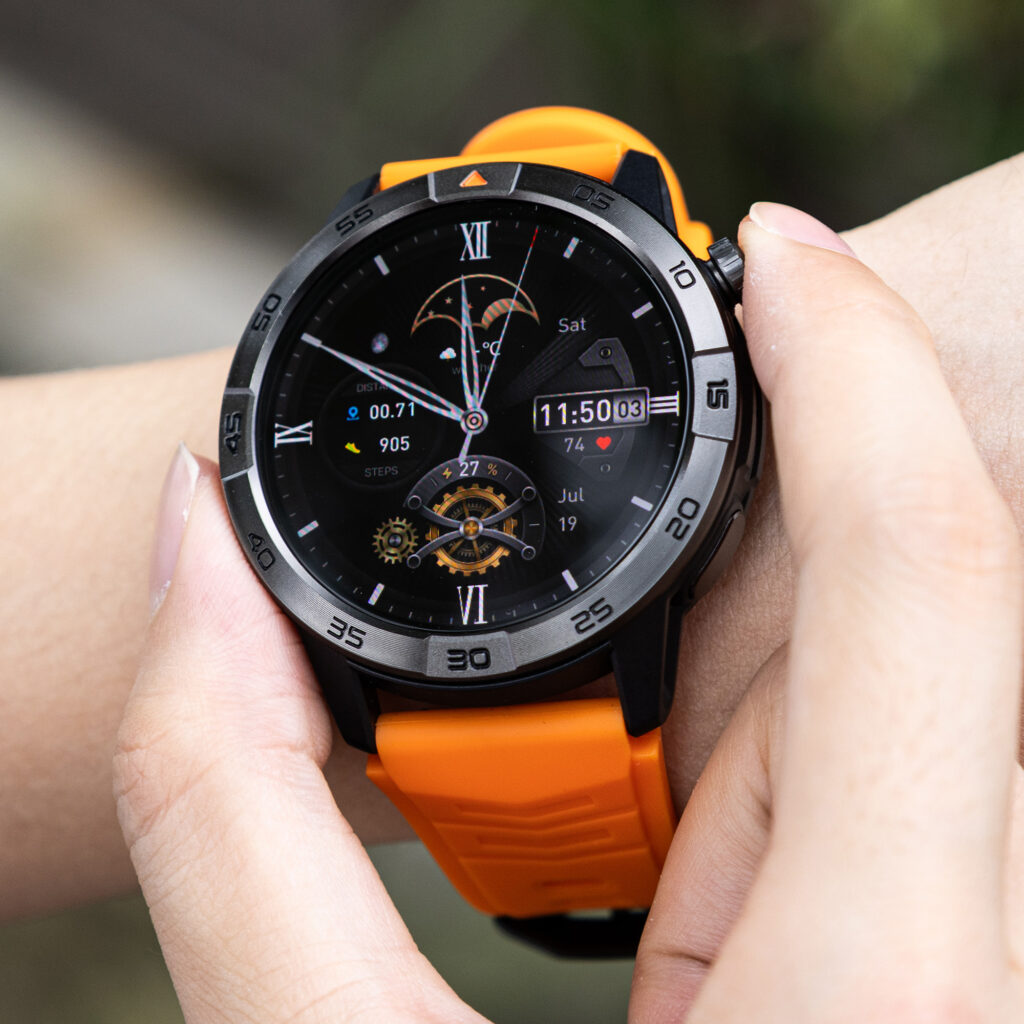
Put the Quality Claim on the Lincoln Training Table
The hearing begins by narrowing the job. During employee training sessions, the Lincoln trainer needs a discreet reminder when one learning block should end and the next should begin. The watch must provide enough information to support that transition without requiring unnecessary phone handling.
No member name, account number, balance, transaction notice, loan detail, authentication code, private phone number, or employee record belongs on the wrist. The example uses only a harmless training reminder.
Quality cannot be inspected until the required role is fixed. The trainer should first define the training-room wrist role before evaluating quality. Once that role is clear, decorative faces, activity screens, call tools, and wellness information become optional evidence rather than substitutes for the foundation.
Spec-Stack Goodness appears when a buyer piles impressive claims above an undefined job. A long feature list may describe a capable device, but it cannot prove that the watch is a good smartwatch for this routine.
Admit the First Evidence: The Required Function Works
The trainer creates one harmless transition reminder and follows the exact intended setup. At the scheduled moment, the wrist alert appears, the trainer notices it, and the session moves to the next exercise without an unnecessary phone check.
That event supports the first layer: Required Function Works.
The evidence record should identify:
- the required action;
- the phone, app, or watch path involved;
- the wrist result;
- and whether the reminder helped complete the intended transition.
A screenshot of a reminder menu does not prove the alert reached the wrist. Listing language that says reminders are available does not prove the function worked through the trainer’s setup. Even a polished demonstration performed under different conditions cannot replace the trainer’s successful use event.
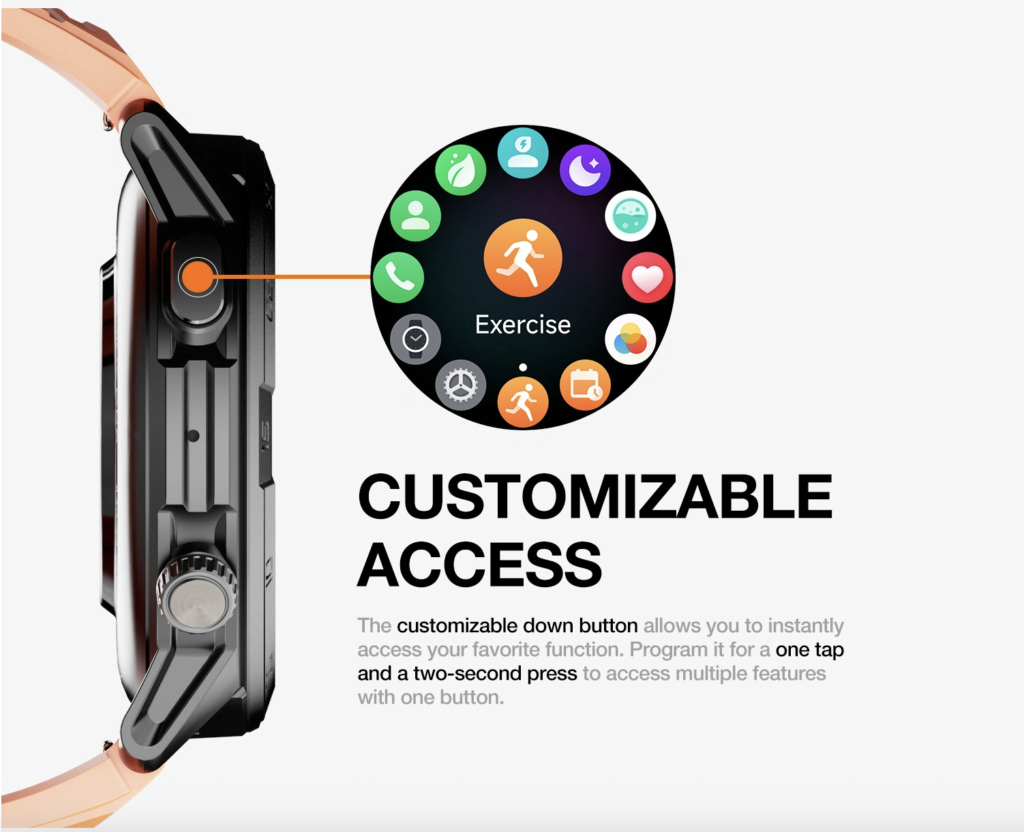
The first result is necessary, but it remains narrow. It proves that the function can work once. A good smartwatch needs another layer before the trainer can call the reminder dependable.
One Successful Alert Cannot Carry a Reliability Claim
The next inspection removes an assumption: one success does not guarantee repeated performance.
The trainer observes the same required function during later training transitions. No universal number of sessions is required. The goal is to determine whether the reminder remains dependable across the relevant routine rather than succeeding only during setup.
Useful reliability evidence records:
- whether the reminder arrives when expected;
- whether its timing remains useful;
- whether the intended connection path is still active;
- and whether the trainer can depend on the result without rebuilding the setup.
Reliability Blind Spot develops when the first successful alert is treated as permanent proof. If later reminders arrive inconsistently, the display, strap, battery, and ratings may remain impressive, but the stack leans at its second layer.
Run the collapse drill: keep every upper claim and remove repeated reliability. The watch still looks capable, yet the required training transition can no longer be trusted. Under those conditions, the product cannot receive an Evidence-Backed Good verdict. A good smartwatch must carry the required role repeatedly, not merely demonstrate it once.
Run the Intended Phone Path Before Praising Compatibility
Compatibility is more than a familiar logo or a broad operating-system statement. The complete path must hold:
- the intended smartphone;
- the installed operating system;
- the companion app;
- pairing and connection;
- notification permissions;
- and access to the required reminder function.
The trainer can trace the complete phone partnership behind the required alert. This prevents a listing-level compatibility claim from replacing operational evidence.
Apply a compatibility shear test. The hardware remains unchanged, but one required permission is unavailable or the companion app cannot deliver the intended reminder. The case, controls, and display may still work, yet the defined wrist role fails through the intended phone path.
That failure does not prove the watch is universally poor. It proves that the broad good smartwatch claim cannot stand for this setup. Compatibility must hold where the required function actually lives.
Press the Comfort Layer Through the Lincoln Routine
A successful reminder on a desk cannot prove that the trainer will comfortably wear and operate the watch through normal work.
The comfort layer is inspected during preparation, seated instruction, standing presentation, short breaks, and desk follow-up. Relevant evidence includes:
- whether the fit remains stable;
- how the strap behaves during ordinary movement;
- whether the display is readable at useful moments;
- whether controls are accessible without awkward handling;
- and whether the device creates enough distraction to undermine its role.
No invented wrist measurement, universal wear-hour target, or broad comfort claim belongs in the verdict. Comfort depends on the exact wearer and continuing routine.
Comfort Omission occurs when specifications and functions are inspected while sustained wear is ignored. Run the compression drill: the reminder works reliably, but the trainer removes the device during sessions because the fit or interaction becomes impractical. The quality claim narrows immediately.
A good smartwatch must remain usable on the wrist where the required job occurs. Hardware that performs well only when it is not being worn cannot support the strongest verdict.

Stretch the Battery Layer Across the Required Mode
The battery question is not “What is the largest advertised number?” It is:
Does the watch preserve the required reminder role in the declared operating mode with a charging pattern the trainer accepts?
The evidence should identify:
- the mode being used;
- the functions that remain enabled;
- the trainer’s realistic charging opportunity;
- the expected reserve before the next session;
- and whether reminders remain available when required.
The trainer can judge battery evidence against the routine rather than a headline claim.
Now apply the span drill. Keep the advertised duration but remove proof for the operating mode that supports the reminder. The battery layer becomes incomplete because a headline claim may describe a different configuration, workload, or feature set.
Long duration can strengthen a good smartwatch verdict, but battery cannot rescue an unreliable alert or broken phone path. It remains one load-bearing layer, not the entire definition of quality.
Interrupt the Software While the Hardware Still Looks Fine
The next collapse can occur without changing the watch’s physical condition. The case remains intact. The strap still fits. The display turns on, and the battery continues to charge. However, the required companion app, sign-in, permission path, or notification control becomes difficult to use.
The software layer inspects:
- whether the required app remains accessible;
- whether the trainer can sign in when necessary;
- whether permissions remain understandable;
- whether required controls can be found;
- whether an update disrupts the reminder path;
- and whether normal recovery steps restore the function.
No unsupported software-support period or update guarantee should be invented. The evidence concerns present usability through the required path.
Software Weakness appears when good hardware depends on a software route that cannot reliably support the role. Readers can identify recurring software and connection interventions that weaken ownership.
Remove the usable app path and watch the structure collapse. The hardware may still look premium, but a good smartwatch verdict cannot remain fully intact when the required function is trapped behind unusable software.
Inspect the Exact Seller Before the Stack Receives Weight
Product quality and purchase protection are not identical, yet the ownership verdict depends on both. The trainer must inspect the exact offer rather than assuming every seller, bundle, and configuration provides the same path.
Relevant evidence includes:
- seller identity;
- the exact watch configuration;
- the included charging method;
- consistency between the description and delivered item;
- return eligibility;
- the return procedure;
- shipping responsibility;
- possible fees;
- and available buyer protection.
Terms vary by offer, so the article cannot invent a universal return period, warranty promise, or seller policy. The trainer should verify the exact seller offer supporting the quality claim.
Run the protection-floor drill. The watch itself performs well, but the listing is unclear, the configuration is inconsistent, or the recovery path is inadequate. The hardware may still be good for the required role, yet the purchase cannot receive the strongest ownership verdict.
A complete good smartwatch claim needs evidence for the device and a reasonable path when the exact offer does not match what was promised.
Remove One Lower Layer and Watch the Claim Collapse
Collapse A: The required function disappears
The display, battery, comfort, software, and seller terms remain strong, but the training reminder does not work. The foundation is gone. The correct direction is Not Good Enough for the required role.
Collapse B: Reliability disappears
The reminder succeeds during setup and then becomes inconsistent. Specifications still look convincing, but the stack can support only Spec-Good Only or a failed verdict, depending on the severity of the problem.
Collapse C: Comfort disappears
The watch performs correctly but becomes impractical during instruction. Quality may narrow to a use case that does not require sustained wear, but it cannot remain broadly supported for the Lincoln routine.
Collapse D: Software usability disappears
The hardware survives while the app or required permissions become unusable. The Evidence-Backed Good verdict collapses because the defined role no longer has a dependable path.
These drills reveal the central rule: upper strengths cannot float above a failed foundation. Attractive features may remain real, but they cannot preserve a broad good smartwatch verdict after a required lower layer breaks.
When the Stack Looks Complete but Still Leans
Do high star ratings prove the watch is good?
No. Ratings can reveal patterns worth investigating, but they do not independently prove required function, reliability, compatibility, comfort, battery fit, software usability, or seller protection.
How should reviews be used?
Extract evidence questions from them. Look for repeated function behavior, compatibility conditions, comfort patterns, battery modes, software interruptions, and seller experiences relevant to the required role.
Does a higher price prove stronger quality?
No. Price and evidence are separate. A costly watch can have a missing layer, while a lower-priced watch may support every requirement of one defined role.
Can an inexpensive watch be genuinely good?
Yes. The verdict depends on supported evidence rather than price tier.
Does successful first-day setup prove reliability?
No. It proves only that the required function worked once.
What if different reviewers disagree about comfort?
Use the exact wearer, strap, controls, fit, and routine. Comfort cannot be settled universally.
Can strong battery evidence rescue weak software?
No. One layer cannot repair the failure of another required layer.
Does a return policy prove product quality?
No. It supports ownership protection, which is one part of the stack rather than the whole verdict.
Must every advertised feature be tested?
No. Test every function required for the quality claim. Optional capabilities should not become foundation requirements unless the buyer genuinely needs them.
Issue the Quality Verdict the Evidence Can Carry
Evidence-Backed Good
All seven layers are adequately supported for the declared quality claim. The function works repeatedly, the phone path holds, comfort and battery suit the routine, software remains usable, and the exact offer provides adequate protection.
Good for One Role
Evidence strongly supports one defined use, but broader claims remain unproven. This verdict is precise rather than negative.
Spec-Good Only
The feature list, ratings, or first impression looks convincing, while one or more real-use layers remain incomplete.
Not Good Enough
A required lower layer fails, or the available evidence cannot support the defined role.
The Lincoln teaching example points toward Good for One Role. The watch may provide dependable, non-sensitive training-transition reminders through the trainer’s intended setup. That evidence does not automatically prove every advertised call, wellness, activity, or software capability.
The most trustworthy good smartwatch verdict is the one whose scope matches the evidence. Broad praise should not extend beyond the layers that were actually inspected.
“Best” Evaluation Starts Only After “Good” Is Proven
A candidate should not enter a best-fit comparison while its quality foundation remains incomplete. Otherwise, the buyer may rank several impressive products that have not yet proved their required role.
Once each candidate clears the evidence standard, the reader can compare best-fit candidates only after each one clears the quality standard. Article 305 chooses among qualified options; Article 320 determines whether an option deserves admission.
Confirm the Smartwatch Category Before Applying the Standard
This evidence stack applies only after a connected smartwatch is the correct device category. A digital watch, fitness band, or traditional watch may better serve a different dominant need with less ownership burden.
Before beginning the quality hearing, confirm that a connected smartwatch belongs in the buyer’s category route. There is no value in proving smartwatch quality for a buyer whose real need belongs to another type of watch.
The Word “Good” Must Sit on Evidence, Not Praise
The six opening claims can now return to the hearing. A clear display may support readability. Battery evidence may fit the trainer’s routine. Reviews can expose useful patterns. The app may preserve the required alert path, while comfort keeps the watch on the wrist. Each claim matters only when it is attached to the right proof layer.
For the Lincoln trainer, the strongest defensible ruling may remain Good for One Role. That is more trustworthy than calling the device universally good because its specifications and ratings look impressive.
The watch deserves the good smartwatch label only to the extent that its complete evidence stack remains intact. Required utility must work, reliability must hold, compatibility must survive, comfort and battery must fit the routine, software must remain usable, and the exact purchase must carry adequate protection. Praise can introduce the claim; evidence must carry it.
Define the wrist role, gather proof for every load-bearing layer, and test this watch against every required quality layer before awarding the label.