
The drawer at the Peoria activities desk has a label that should not be necessary: “watch.” Inside, a senior-living activities scheduler keeps a spare charging cable, folded pairing instructions, a cleaning cloth, an app sign-in note, and the disconnected watch itself. None of those objects adds a line to the purchase receipt. Each one represents a moment when the scheduler had to stop normal work and repair, restore, clean, charge, or reconnect the device. The original statement may still show a smartwatch low cost purchase, but the drawer asks a more valuable question: how much monthly upkeep is required to keep the watch useful?
The Low-Cost Upkeep Exposure Board answers that question across one representative month. It does not price the scheduler’s time or turn every ordinary charge into a problem. Instead, it records deliberate interventions that preserve or restore the watch’s protected role.
A smartwatch low cost purchase has low upkeep when its core functions stay working with few deliberate monthly interventions. Count each re-pairing, notification repair, app sign-in, charging correction, cable problem, cleaning session, software update, and phone-change reconnection. Repeated repairs or a support dead end can cancel the benefit of the low purchase price. Count interventions, not ordinary watch use.
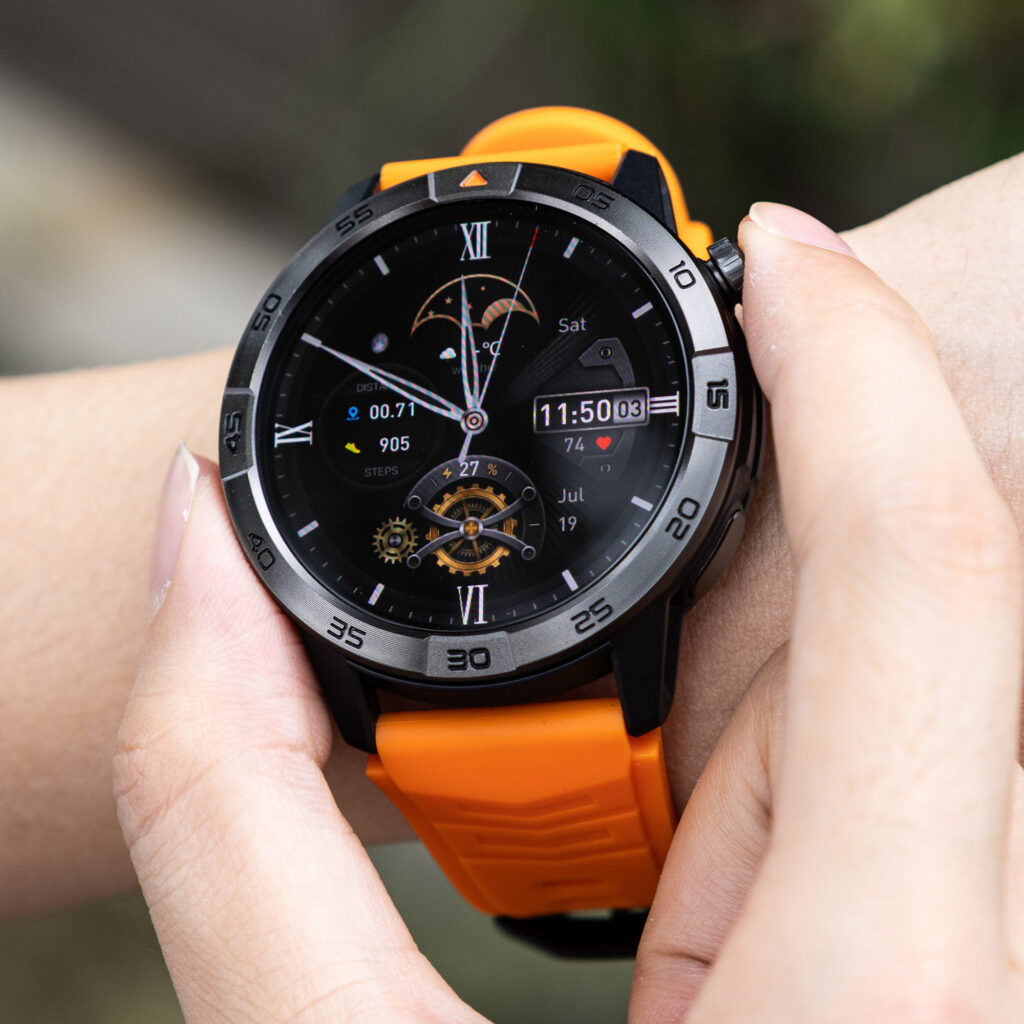
Monday Baseline at the Peoria Activities Desk
The month begins with a quiet Monday. A room change appears as a selected alert. Useful staff caller context reaches the wrist. A timer helps the scheduler prepare for the next activity block, while the phone connection remains stable in the background.
No resident name, room number, care detail, family message, transportation note, or access information appears openly on the display. Sensitive communication stays on the phone or workstation.
This normal Monday establishes the zero-intervention baseline. Reading an alert, checking the time, or starting a timer is ordinary operation. None counts as upkeep.
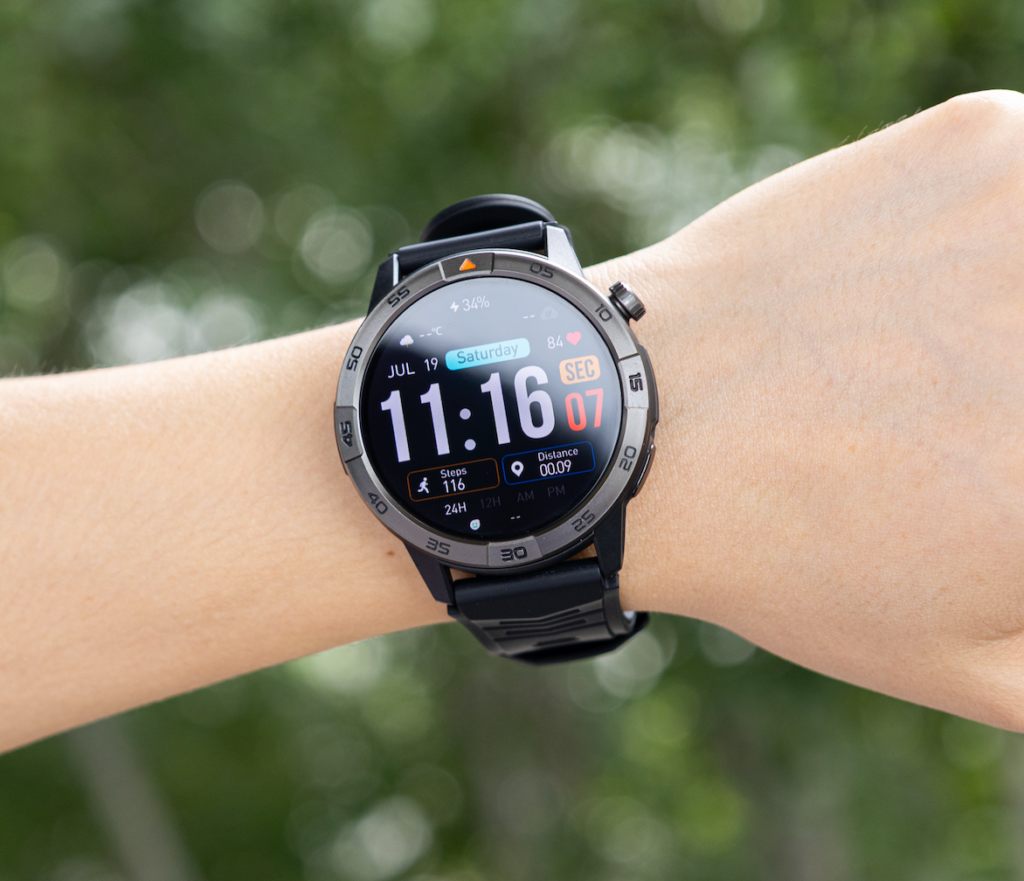
The protected role must be clear before interruptions can be measured. The scheduler should define the activity-scheduling wrist role before counting upkeep. For this Peoria routine, the watch must preserve selected schedule alerts, useful caller context, an alarm or timer, readable information, intended-phone support, practical charging availability, and suitable privacy controls.
A smartwatch low cost purchase remains operationally valuable only while those functions stay available without turning every week into a repair cycle.
Week One Leaves the First Setup Pulses
The first pulse appears when the scheduler signs into the required companion app and pairs the watch with the intended phone. One initial setup intervention is expected. It belongs on the board as a one-time action rather than a maintenance failure.
Later that week, the app requests another sign-in. The scheduler pauses office planning, confirms the correct account, restores access, and checks whether selected alerts still arrive.
That second interruption changes the interpretation. A single setup action may be reasonable. Repeated account rebuilding begins to resemble Setup Churn.
The board records:
- what triggered the sign-in;
- whether the protected alert path stopped;
- which action restored it;
- and whether the repair remained stable.
The scheduler should verify the phone relationship behind every repeated setup demand. An unclear app path, unsupported permission, or unstable account relationship should not be disguised as normal monthly care.
If the second sign-in restores the watch and does not return, Week One remains manageable. When the same demand appears repeatedly, the smartwatch low cost claim begins accumulating attention burden even though no money changes hands.
Week Two: Restore a Missing Staff Alert
During Week Two, a room-change message reaches the phone but not the watch. The scheduler notices the missing wrist alert only because the phone is checked later at the desk.
Normal use stops. The scheduler confirms that the phone received the notification, checks the watch connection, reviews the selected notification path, restores the necessary setting, and sends a harmless test alert.
That sequence counts as one Notification Repair intervention.
The board does not need a minute estimate. It needs a useful record:
- the protected function that failed;
- the action required to restore it;
- whether the repair succeeded;
- and whether the same failure returned.
A one-time permission correction may be acceptable. The burden becomes Sync Repair Burden when the same alert path repeatedly breaks and the scheduler must perform substantially the same repair again.
The watch should be checked only while the scheduler is stationary and away from resident assistance, moving chairs, active exercise sessions, stairs, transportation areas, or time-sensitive supervision. A maintenance problem must not create a new safety problem.
Week Three: Charging Care Enters the Activity Schedule
Two different upkeep pulses appear during Week Three, but they should not be treated as equal.
Planned strap care
After an active group program, the scheduler cleans the band according to the care instructions for its material. The task is predictable, successful, and directly supports comfortable wear.
This enters the Strap Cleaning row as planned care. It does not indicate that the watch is unreliable.
Unexpected cable handling
Later in the week, charging does not begin on the first attempt. The scheduler realigns the connection, checks the cable, inspects the charging contact area, and tries again.
One isolated correction may remain minor. Repeated alignment, frequent cable searches, unreliable contact, or recurring charging interruptions can signal Cable Fragility.
The board should distinguish:
- planned charging from unexpected charging correction;
- one cable adjustment from repeated handling;
- routine care from lost useful service;
- and a resolved connection from an unstable one.
A smartwatch low cost purchase does not become high-maintenance merely because it needs charging. The problem appears when charging repeatedly interrupts the Peoria schedule or requires disproportionate attention.
The scheduler can compare the intervention pattern with the maintenance level the owner can tolerate.
Week Four: An Update Changes the Pulse Pattern
A planned app or firmware update arrives during Week Four. The board does not mark the update as a negative event automatically.
First, the scheduler asks:
- Did the update complete without deliberate recovery work?
- Did the watch remain paired?
- Were the selected alerts preserved?
- Did the app require another sign-in?
- Did privacy settings remain intact?
When the update completes cleanly, it may receive a simple record in the Firmware or App Updates row without creating an unexpected repair pulse.
If the update removes notification access, triggers a new sign-in, or breaks pairing, the intervention belongs in the affected row. The board records the work the owner had to perform, not merely the existence of new software.
This distinction protects the smartwatch low cost test from exaggeration. Updates can be normal ownership events. Repeated post-update rebuilding is the burden that matters.
Reconnect After the Work Phone Changes
Near the end of the month, the workplace replaces the scheduler’s phone. This is not an ordinary monthly event, but it is a useful test of the ownership path.
The scheduler must pair the watch with the intended phone, restore the companion app, approve the required permissions, send a harmless test notification, and confirm that private details remain protected.
The event enters the Reconnection After Phone Changes row. When the process works once and remains stable, it is an event-specific intervention rather than proof of high-maintenance ownership.
A more serious pattern appears when the new connection repeatedly fails, the app path is unavailable, or the required alert behavior cannot be restored. Rebuilding the relationship several times may also create pulses in the Re-pairing, App Sign-In, or Notification Repair rows.
The comparison is not between zero work and any work. It is between an understandable recovery path and recurring operational uncertainty.
Plot the Month on the Upkeep Exposure Board
| Upkeep row | Week 1 | Week 2 | Week 3 | Week 4 | Recurrence | Recovery |
|---|---|---|---|---|---|---|
| Re-pairing | Initial pairing | — | — | Phone-change check | One-time or repeated | Resolved or unresolved |
| Notification repair | — | Missing room-change alert | — | Recheck after update | Isolated or repeated | Stable or unstable |
| App sign-in | Initial and repeated request | — | — | Log if update triggers it | One-time or churn | Resolved or repeated |
| Charging management | Planned charging | — | Charging coordination | — | Predictable or disruptive | Completed |
| Cable handling | — | — | Alignment or contact check | — | Isolated or repeated | Stable or fragile |
| Strap cleaning | — | — | Planned care | — | Routine | Completed |
| Firmware or app updates | — | — | — | Update event | Occasional | Clean or recovery required |
| Reconnection after phone changes | — | — | — | New work phone | Event-specific | Restored or dead end |
The teaching entries should be replaced with the reader’s real monthly log. A blank cell means no intervention occurred. A repeated pulse in the same row deserves more attention than several different one-time care actions.
Separate Planned Care From Repair Work
Raw intervention count alone can mislead. Three planned care actions may be easier to manage than one unresolved notification failure.
Planned routine
Predictable charging, material-appropriate strap cleaning, and an update that completes cleanly belong here. These actions preserve normal operation without indicating instability.
Unexpected repair
Lost notifications, repeated sign-ins, unexplained disconnections, or charging failures belong in this group. They interrupt the routine and require deliberate recovery work.
Structural burden
The same repair returns, instructions remain unclear, the required app path is unavailable, or the protected function cannot be restored. At that point, maintenance becomes more than occasional care.
This is where the owner should compare useful value with the upkeep required to preserve it. A function that looks valuable at purchase may contribute less practical value when it repeatedly demands repair.
When One Repair Becomes a Repeated Pulse
A repair becomes a repeated pulse when the same protected function fails again, the scheduler performs substantially the same recovery action, and the restoration does not remain stable.
One long unresolved attempt should not be reported as several successful repairs. Record the event honestly:
- trigger identified or unknown;
- recovery attempted;
- function fully restored, partly restored, or unavailable;
- same failure returned or remained absent.
When reasonable documented actions cannot restore the core function, the board marks Support Dead End. Continuing to repeat unsuccessful steps does not convert the problem into manageable maintenance.
A smartwatch low cost purchase reaches the support threshold when required functions depend on a recovery path the owner cannot access, understand, or complete.
What Should Count Against the Watch?
Does ordinary charging count?
Record planned charging when it requires deliberate scheduling or interrupts the routine. Do not automatically classify every normal charge as high burden.
Does strap cleaning count?
Yes, as planned care when it is needed to keep the band wearable. Use the instructions appropriate for the exact material.
Should the first pairing count?
Record it as one-time setup. It becomes Setup Churn only when pairing or account configuration must be rebuilt repeatedly.
Does every update count?
No. Count the owner’s intervention and any function loss, not the mere presence of an update.
What if notifications fail once?
Record one Notification Repair. Recurrence determines whether it becomes Sync Repair Burden.
Does replacing a phone make the watch high-maintenance?
Not by itself. Judge whether reconnection is understandable, successful, and stable afterward.
What if the required function cannot be restored?
Mark Support Dead End. Do not disguise an unresolved core failure as ordinary upkeep.
Should upkeep be converted into dollars?
No. Article 316 measures interventions, attention, and interruption. Readers tracking money should keep monthly intervention burden separate from first-year dollar cost.
Four Ways the Peoria Month Can Close
Low-Upkeep Value
Few predictable interventions occur, and the protected core remains stable throughout the month.
Manageable Maintenance
Several interventions appear, but they are understandable, successful, and proportionate to the benefits received.
High-Touch Ownership
Repeated repairs interrupt the scheduler’s routine and require noticeable attention.
Maintenance Cancels Savings
Frequent recurrence, complicated recovery, or a support dead end defeats the practical advantage of the low purchase price.
The Peoria result depends on what happens after each recovery. A single Week Two alert repair, one planned cleaning session, and a successful phone-change reconnection may remain manageable. Repeated sign-ins, recurring cable trouble, unstable notifications, or an unresolved connection would move the same month toward High-Touch Ownership or Maintenance Cancels Savings.
Verify the Exact Offer Before Starting the Log
A monthly intervention log cannot repair a watch that was incompatible or incomplete from the beginning. Before Week One starts, confirm the intended-phone path, charging method, required app, exact configuration, seller identity, and usable return protection.

The buyer can verify the exact offer before accepting its maintenance routine. That preliminary check should remain brief here because Article 316 begins after the watch enters normal use.
The Drawer Should Shrink, Not Become Permanent
At month’s end, the scheduler opens the labeled drawer again. The cleaning cloth may remain because predictable care supports comfortable use. A spare cable may represent sensible backup—or recurring fragility if charging repeatedly fails. Pairing instructions should not be needed every week, and the sign-in note should become unnecessary once app access stays stable.
Most importantly, the disconnected watch must return to normal service rather than occupying the drawer permanently.
A smartwatch low cost purchase delivers operational value when its protected functions remain available without turning one workplace drawer into a troubleshooting station. Count the monthly interventions, distinguish planned care from repeated repair, and let the pulse pattern—not the purchase price alone—decide whether ownership remains easy.
Review the required app, charging path, connection process, updates, and care instructions, then check which monthly interventions this watch may require before treating a low checkout price as low-upkeep ownership.