
Three screens disagree on a secure planning table in Newark. The iPhone Bluetooth panel says Connected. The watch still says Finish setup. The companion app shows no completed device registration. For the museum exhibit logistics planner, connecting a smart watch to iPhone is clearly not finished because one screen has accepted the link. Setup is a handoff: documentation identifies the app, the app finds the watch, the devices confirm each other, permissions release the required function, synchronization carries a test token, and reconnection must return the relationship intact.
To connect a smart watch to iPhone reliably, verify the exact companion app, begin pairing through the documented path, match both device identities, grant only required permissions, confirm one first synchronization, test the app outside the active setup screen, then recover from one controlled disconnect. Setup is complete only when the same test succeeds after reconnection.
The Newark planner uses one privacy-safe token throughout the process: Installation checklist updated. It contains no artwork title, crate number, gallery location, delivery route, vendor identity, value, access code, or security schedule. If the token completes every handoff and returns after reconnection, the pairing foundation is stable enough for deeper testing.
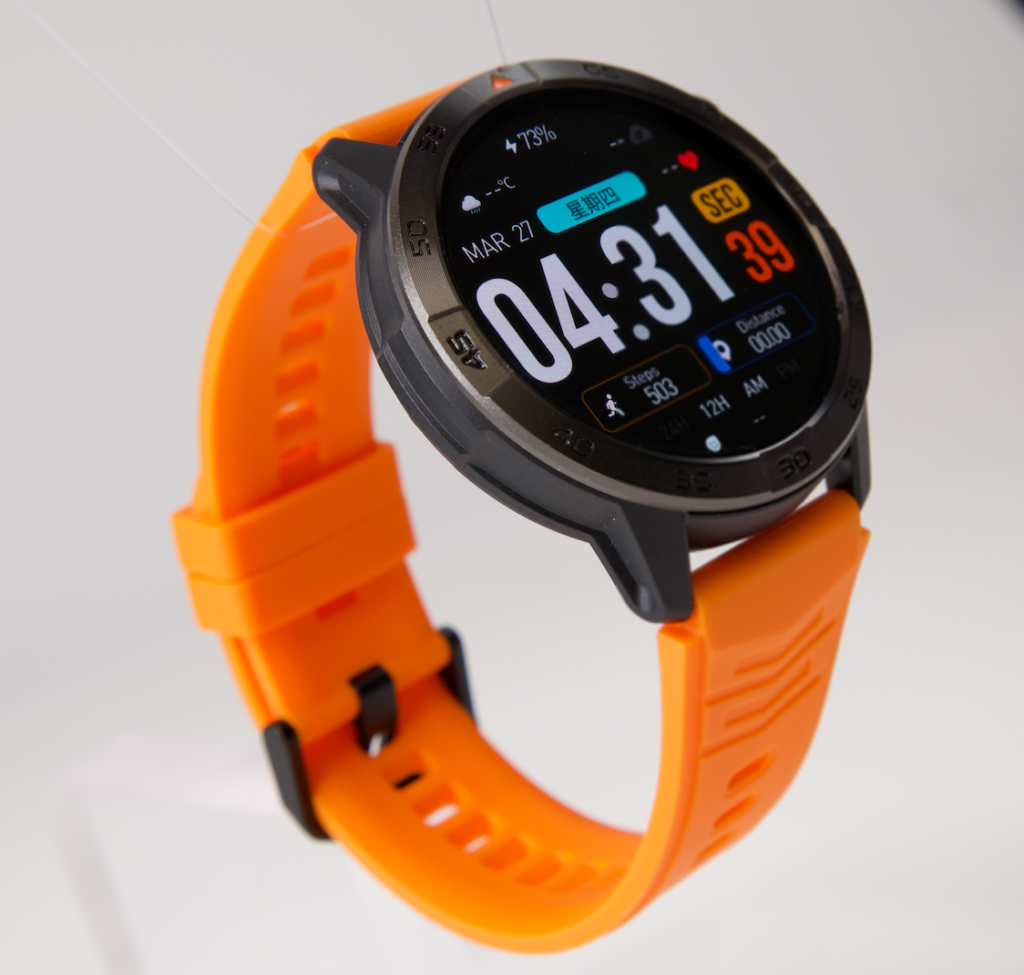
Define What “Setup Complete” Means in Newark
A finish line must exist before more settings are changed. Completion means that the correct companion app recognizes the exact watch, both devices confirm the intended relationship, necessary permissions are approved, the neutral token synchronizes once, the same token succeeds after the setup screens close, and a controlled disconnect does not force the planner to rebuild the relationship.
Calling, texting, fitness records, maps, health features, battery endurance, and all-day comfort stay outside this test. Those functions may matter later, but adding them now would hide the central question: has the smart watch to iPhone handoff actually finished?
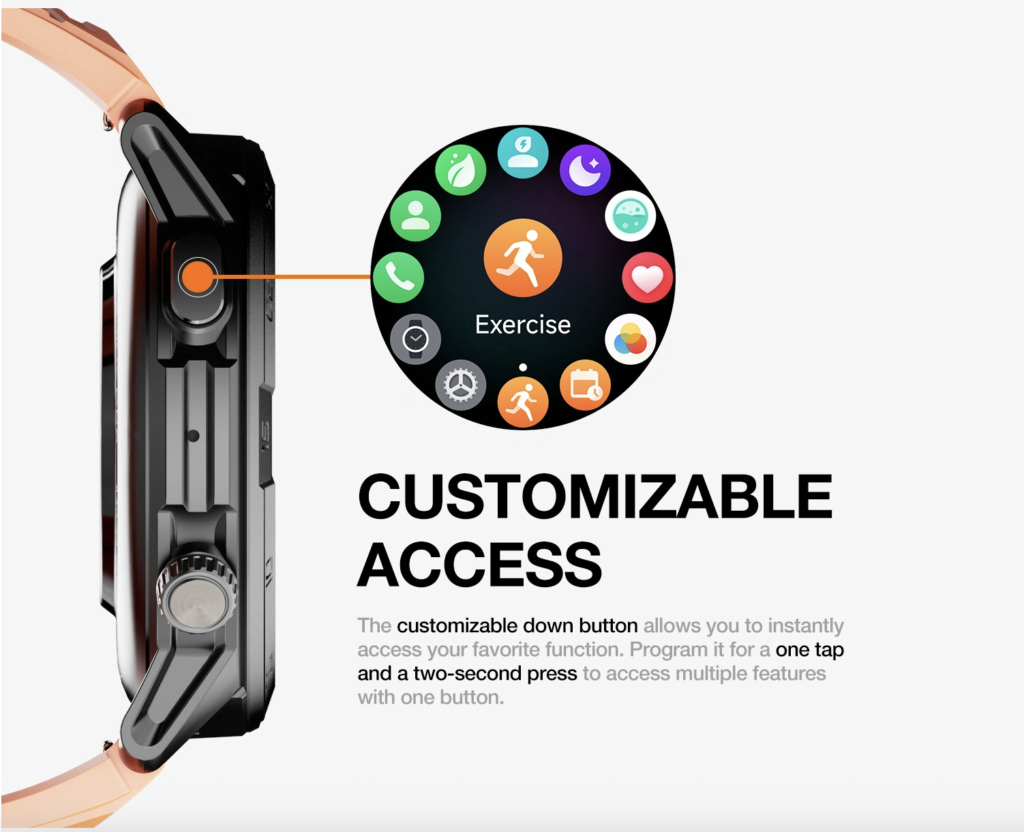
Stable setup is also different from broad compatibility. After establishing the pairing baseline, the buyer can measure how deeply the watch works with iPhone across each required compatibility layer.
Verify the Exact Companion App Before Passing the Baton
The planner begins with the watch documentation, the delivered QR code, and the current app source. The app name, developer identity, support reference, account requirement, and stated phone conditions must point to the same setup path.
The first attempt fails here. An app with a similar name can see nearby devices, but it does not match the verified source connected to the delivered watch. Meanwhile, the iPhone has already created a Bluetooth entry. That partial connection explains why the three opening screens disagree.
This is a Wrong-App Handoff. Bluetooth may recognize the accessory while the software responsible for registration, synchronization, notifications, or updates never accepts control. A stable smart watch to iPhone setup cannot begin until the correct software owns its part of the sequence.
The planner stops, records the mismatch, and follows the exact product instructions for correcting the incomplete relationship. When packaging, manuals, app references, and product identity conflict, first confirm that the watch, documentation, QR code, and companion app belong to the same offer.
Start Pairing From the Documented Setup Owner
There is no universal starting screen for every smart watch to iPhone setup. The exact instructions determine whether the process begins in the companion app, in the iPhone’s accessory controls, through a code displayed by the watch, or through another documented route.
For the Newark setup, the verified app owns the first active handoff. The planner restarts from that point instead of assuming the existing Bluetooth entry will complete app registration on its own.
The sequence should remain observable. The current holder of the Setup Baton is named, the intended receiver is identified, and a visible confirmation is recorded before the next stage begins. If the app searches while the watch is not in its required discovery state, no baton has moved. If the iPhone lists a device while the app still shows an empty account, the handoff remains unfinished.
Match the iPhone and Watch Before Confirming the Link
Once the correct path begins, the planner verifies that the iPhone and watch describe the same device. Evidence may include a matching device name, a stable identifier, a watch image, or a confirmation code when the documented process uses one.
Nearby accessories with similar names must be excluded. An unresolved relationship with a previous phone also deserves attention when the official instructions identify it as a possible barrier. For a smart watch to iPhone handoff, the goal is not merely to connect something; it is to confirm that the intended phone and intended watch have accepted each other.
A matching code or device identity proves this stage only. It does not prove notifications, background operation, call controls, or stable synchronization. The planner adds a Device-Identity Pair to the custody log and passes the baton forward.
Release Only the Permissions the Setup Requires
The corrected connection now requests access. Each permission receives its own line in the log because approving one category does not prove that another has been granted or that the desired function will work.
The Newark planner approves only what the neutral checklist test requires under the exact documentation. Sensitive previews remain restricted. Contacts, calendars, location, microphone access, or other categories enter the setup only when the required function and product instructions justify them.
A Permission Stall occurs when the devices appear paired but the next required transfer cannot proceed because an approval was missed, denied, requested in the wrong place, or rejected for an acceptable privacy reason. More access is not automatically the correct repair. The planner identifies the exact dependency, decides whether it is acceptable, and records the result.
At this point, a smart watch to iPhone connection may look healthy while carrying no useful information. The next handoff must prove that the link can transport the intended token.
Send One First-Sync Token Through the Connection
The planner creates the generic status Installation checklist updated through the approved test route. The custody log records where the token begins, which app carries it, whether it appears at the expected destination, how long the observed transfer takes, and whether duplication or an incorrect final state occurs.
The token reaches the watch after the correct app path and required permissions are in place. That is the first evidence that pairing carries something useful. It does not prove every alert type, application action, or long-term connection condition.
Keeping the token narrow matters. A real exhibit record could expose operational or security information and would introduce a second problem into the test. The neutral status proves the handoff without turning the watch screen into a privacy risk.
Move the App Out of the Foreground and Repeat the Token
Many setup sessions look successful while every relevant screen remains open. The planner leaves the active setup view normally, keeps the accepted phone conditions unchanged, and repeats the same token while seated at the planning table.
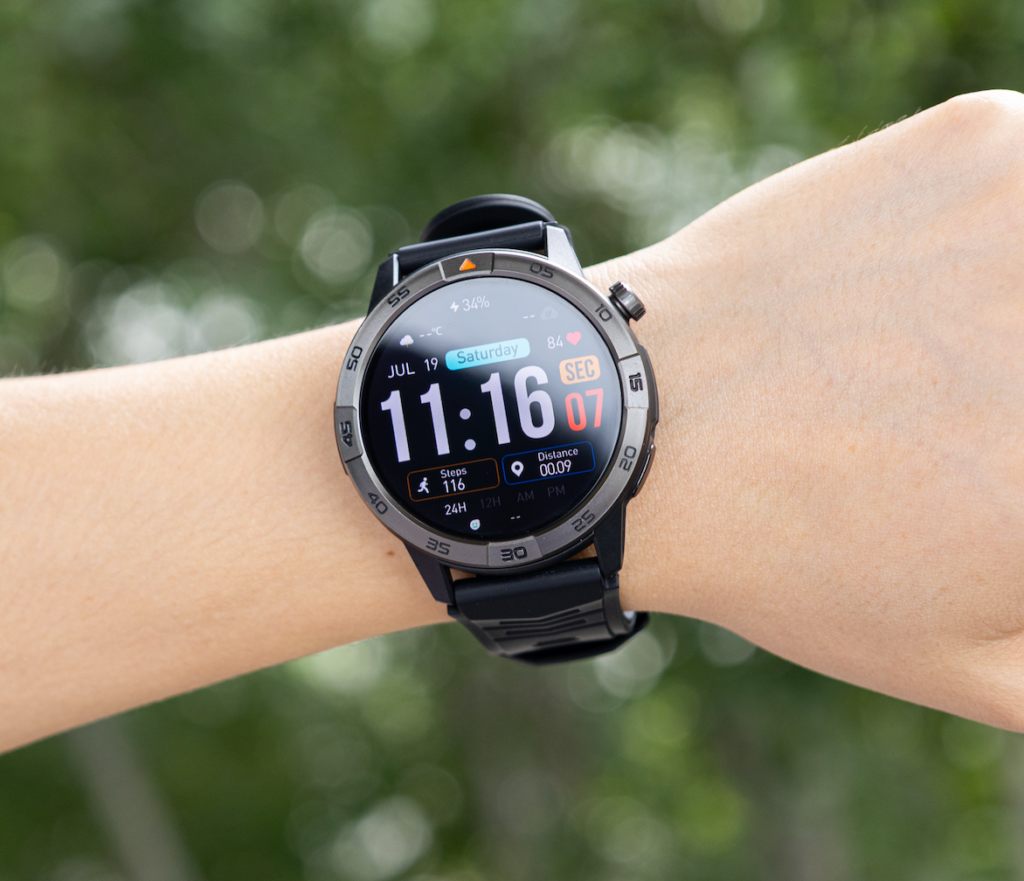
If the transfer now requires repeated app reopening, manual refreshes, or another unexplained intervention, the first success was foreground-dependent. That creates a Background Sync Drop. The connection exists, but the setup has not produced a stable baseline.
The Newark candidate repeats the token after one documented condition is corrected. The planner records the condition rather than hiding it because a stable smart watch to iPhone setup must explain what needs to remain true.
This immediate repeat is not an all-day test. Later, the watch should still prove that its required iPhone functions remain useful through one controlled workday.
Create One Controlled Connection Break
Initial pairing occurs under ideal conditions, so the planner introduces one reversible interruption allowed by the exact instructions and safe test design. Both devices remain secured. No interaction occurs while walking through galleries, using stairs, crossing a street, entering a loading area, carrying equipment, or driving.
The custody log notes whether the watch identifies the connection loss, whether the app changes state, whether the pairing record remains visible, and whether pending information is preserved. No fixed wireless range or recovery time is assumed.
The purpose is to remove the perfect first-session condition without deleting evidence or jumping immediately to a factory reset. A controlled break shows whether the setup can recover or whether it survives only until the first interruption.
Require the Baton to Return After Reconnection
When the documented reconnection condition is restored, the planner checks more than the connection icon. The companion app must recognize the same watch, permissions must remain intact, duplicate device entries must not appear, and the neutral token must synchronize again.
A Reconnection Loop occurs when recovery repeatedly depends on toggling settings, reopening the app, forgetting the device, reauthorizing the account, reinstalling software, or rebuilding the setup. One documented repair can succeed; recurring reconstruction is not a stable handoff.
After the corrected Newark sequence, the app recognizes the watch and Installation checklist updated reaches the wrist again without another repair. The baton has returned, completing the required smart watch to iPhone setup sequence.
This result establishes a setup foundation, not the complete phone relationship. Calling, message actions, data behavior, and phone fallback can be examined separately by testing the full partnership after the pairing baseline becomes stable.
Record the Repair Without Erasing the First Failure
The original Wrong-App Handoff stays in the log. A repair that removes its own history makes the final result difficult to reproduce.
The planner records the failed stage, visible symptom, verified cause, corrective action, retest starting point, downstream handoffs repeated, and final reconnection result. Because the error occurred before correct app registration, the planner reruns device matching, permission release, first synchronization, background repeat, disconnect, and reconnection.
This produces a clearer decision than saying the setup eventually worked. The first attempt was incomplete. The second sequence completed without another dropped baton. That supports Stable After Repair rather than an unconditional Stable Handoff.
Signals That Falsely Suggest Pairing Is Finished
Does “Connected” mean setup is complete?
No. App registration, required permissions, first synchronization, background operation, and reconnection may still be unfinished.
Should every watch be paired directly from the iPhone’s Bluetooth screen?
No. Follow the documented path for the exact watch. Starting from the wrong owner can create a partial relationship that later functions cannot use.
Does a matching pairing code prove notifications will work?
No. It confirms the intended devices at that stage. Notification delivery and wrist actions require separate evidence.
Why can a watch appear connected but fail to synchronize?
The cause may sit in app identity, incomplete registration, permissions, an accepted background condition, or another documented dependency. Diagnose the dropped handoff instead of changing every setting at once.
Should every requested permission be approved?
No. Approve only the access required for the intended function and acceptable within the buyer’s privacy boundary.
Is reopening the app after every disconnect a stable result?
It may be a documented condition for a specific configuration, but recurring manual recovery makes the setup conditional or fragile rather than effortless.
Should a factory reset be the first repair?
No universal repair order fits every watch. Preserve the evidence, identify the failed handoff, and use the exact documented troubleshooting sequence.
Does stable reconnection prove every iPhone function?
No. It proves the setup baseline recovered. Compatibility depth, calls, texts, app actions, and daily reliability still require separate tests.
Issue One of Four Pairing-Handoff Verdicts
Stable Handoff applies when the correct app is verified from the beginning, every transfer completes, the first and background tokens succeed, reconnection works, and no recurring repair is needed.
Stable After Repair applies when one specific failure is diagnosed, one documented correction is made, all affected downstream handoffs are repeated, and the entire sequence then passes through reconnection.
Fragile Pairing applies when initial pairing works but synchronization, background behavior, or reconnection depends on repeated intervention that the buyer cannot treat as a stable baseline.
Setup Failure applies when the correct app cannot be established, the intended devices cannot complete the documented pairing path, a required and acceptable permission cannot release the function, synchronization never occurs, or reconnection cannot restore the relationship.
The Newark planner issues Stable After Repair. The first smart watch to iPhone attempt created a Bluetooth connection without completing the correct app handoff. After the verified restart, the watch passed identity confirmation, required permissions, first sync, background repeat, controlled disconnect, reconnection, and the final token check.
Pairing Is Finished When the Setup Baton Comes Back
The three opening screens no longer disagree. The verified app recognizes the watch, the iPhone and watch show the expected relationship, the neutral token synchronizes outside the setup screen, and reconnection returns the same working state.
Connecting a smart watch to iPhone is not one Bluetooth event. Stable setup requires each technical owner to receive the relationship, perform its part, and release it without forcing the buyer to rebuild everything after an ordinary interruption.
The Stable Setup Seal does not prove deep compatibility, all-day reliability, calling, texting, battery endurance, future software support, or overall product quality. It proves that later evaluations now have a dependable starting point. The Newark planner can carry the paired watch into a structured first ownership week without treating setup as unfinished business.
Verify the official setup owner, document each handoff, repeat one neutral synchronization after reconnection, and place this smartwatch candidate into your Pairing Handoff Sequence before deciding whether its connection is stable enough for deeper iPhone testing.