
Four search results use nearly the same Android wording and describe four different watches.
One result names a wrist-focused operating system. Another says only that the watch connects to Android phones. A third depends on a proprietary companion application. A fourth claims phone-style apps and independent operation. A search for smartwatch Android can place all four in the same shopping category even though their software, phone dependence, and application routes are not the same.
An Android smartwatch label may describe the watch operating system, compatibility with an Android phone, a required companion app, or phone-independent operation. Treat these as separate claims. Confirm the exact watch OS, supported phones, companion route, watch-side app access, and phone-free functions before deciding what the label means.
A community-college technology purchasing assistant in Tucson, Arizona, must turn these vague phrases into a clear memo for a small technology demonstration and lending program. The memo cannot treat every smartwatch Android result as one interchangeable product type.
She creates an Android Label Translation Board. Each listing receives separate fields for watch software, phone support, companion application, watch-side applications, and independence. Unsupported meanings remain blank instead of being borrowed from another column.
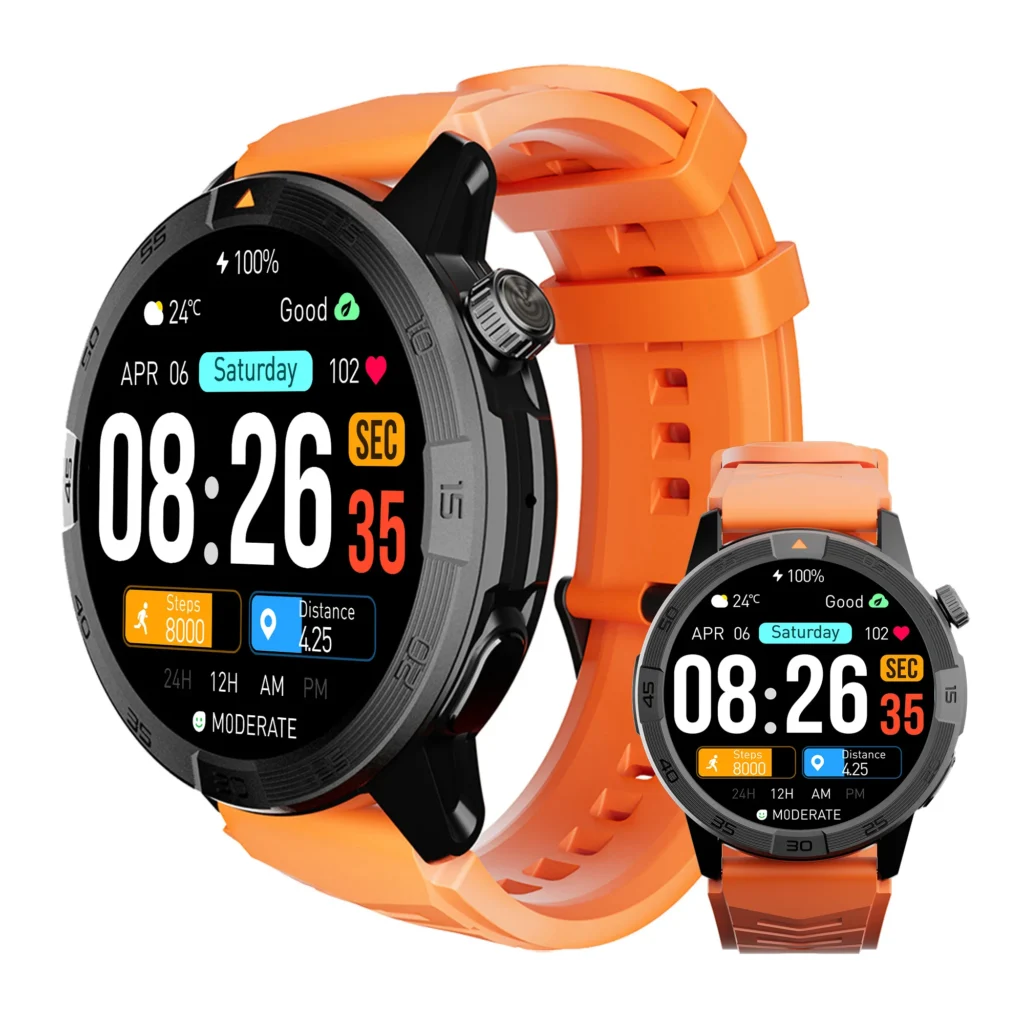
Put the Tucson Search Results on One Translation Board
The assistant copies each Android phrase exactly as it appears. She does not improve the wording, add missing technical terms, or assume that a familiar-looking screen explains the device.
Each Translation Board row records:
- Exact phrase: The seller or publisher’s original Android wording.
- Source and date: Where and when the wording was found.
- Watch OS claim: The operating system explicitly identified by current evidence.
- Phone-support claim: The phones or platforms the watch is documented to connect with.
- Companion route: The phone application or setup service named in the evidence.
- Watch-app claim: The documented source and limits of applications installed on the watch.
- Independence claim: The exact functions that work without the nearby phone.
The phrase smartwatch Android is not a completed technical description. It is the beginning of a translation task.
After the terminology is clear, the buyer can choose the Android relationship type that fits the intended routine. Readers who are still uncertain whether the result is a full smartwatch or another wearable category should first confirm which wearable category the translated device belongs to.
Separate Android Phone Support From Watch Software
“Works with Android” normally describes a relationship with an Android phone. It does not automatically identify the software running on the watch.
A listing may document that the watch pairs through a companion application, receives selected phone alerts, or synchronizes settings with an Android phone. Those statements can support an Android-phone compatibility claim. They do not by themselves prove that the watch runs Wear OS, ordinary phone-style Android, or any other particular operating system.
The Tucson assistant marks this error as the Compatibility-to-OS Leap. It occurs when one verified meaning is expanded into several unsupported meanings:
- Android-compatible becomes “runs Android.”
- Android-compatible becomes “runs Wear OS.”
- Android-compatible becomes “installs Android phone apps.”
- Android-compatible becomes “works without the phone.”
When a smartwatch Android listing proves only phone support, the plain-English translation must stop there.
The next step is to verify the Android phone services behind that compatibility claim. App eligibility, permissions, account services, and background delivery remain separate from label interpretation.
Confirm Wear OS Instead of Guessing From the Interface
A circular application menu, swipe gesture, notification panel, or familiar icon arrangement does not identify an operating system reliably. Visual resemblance is not software evidence.
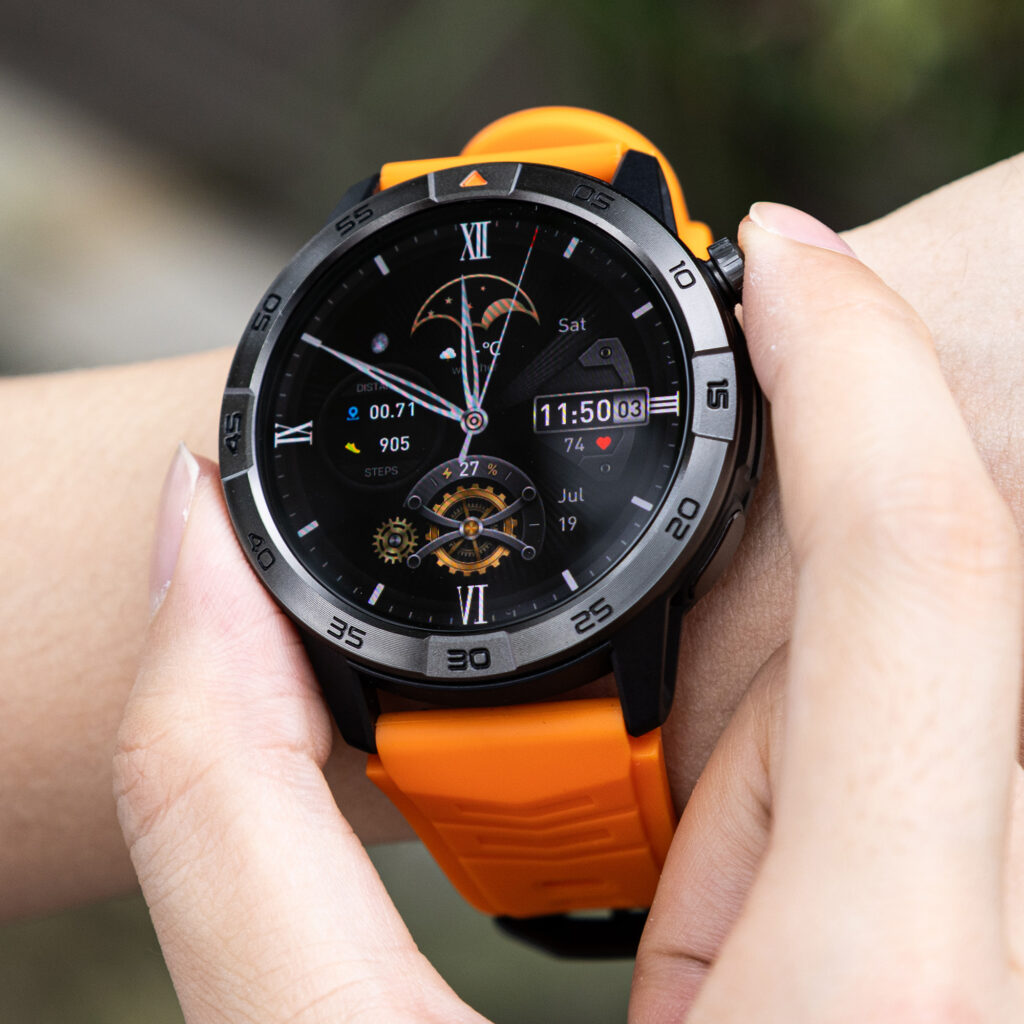
The assistant gives Wear OS credit only when current exact documentation names it. Once confirmed, the translation can state that the watch uses a wrist-focused Android platform. It still cannot promise every phone relationship, watch application, payment route, independent function, or future update.
This prevents the Interface Resemblance Trap. A seller image may look like a known watch platform while showing a proprietary launcher, rendered artwork, or another software environment.
The assistant also avoids the opposite mistake. Confirmed Wear OS does not mean the watch runs ordinary phone Android without modification. A wrist operating system is designed around a different screen, interaction pattern, application environment, and ownership relationship.
For the search phrase smartwatch Android, “confirmed Wear OS” is therefore one precise classification—not a synonym for every Android-related watch.
Treat Android-Based as an Incomplete Software Claim
“Android-based” sounds more specific than “works with Android,” but it may still leave the important questions unanswered.
The assistant asks:
- Which operating system or software build is identified?
- Is the software designed for a watch or adapted from phone software?
- Which application source is documented?
- What companion application is required?
- Which phone services remain necessary?
- Which updates or support route are identified?
Without those answers, the phrase remains an Android-derived software claim. It does not become proof of Wear OS, unrestricted application installation, phone-style performance, or independent service.
The Tucson board labels this failure the Version-Free Android Claim. The listing uses a familiar platform word but provides too little evidence to classify the actual implementation.
A responsible translation might read:
This watch is described as Android-based, but the exact watch platform, application source, companion route, and independent functions remain unresolved.
That sentence is less exciting than the original marketing phrase, but it is more useful for a purchasing decision.
Break Full Android Into Separate Claims
“Full Android” should not be accepted as one indivisible capability. The assistant breaks it into several claims that require separate support:
- phone-style Android software;
- installation of phone-style applications;
- access to a documented application source;
- independent network access;
- calling or messaging without a paired phone;
- local account authentication;
- practical phone replacement.
A watch may support one item without supporting the rest. Local applications do not prove independent cellular service. A service connection does not prove ordinary phone apps work correctly on a small wrist display. A SIM-related claim does not establish complete phone replacement.
This failure is Standalone Inflation: one phone-free function is used to imply that every important function is independent.
The search term smartwatch Android does not resolve those differences. Each function needs its own evidence and its own limitation.
The assistant therefore treats “full Android” as seller terminology until the exact implementation and claimed outcomes can be translated individually.
Make the Companion Application Visible
A watch can be useful with Android while running proprietary or unspecified watch software. In that relationship, the phone companion application may control most of the experience.
The assistant records whether the application handles:
- initial setup;
- notification selection;
- watch settings;
- account sign-in;
- records and synchronization;
- software or watch-face updates.
Companion-App Erasure occurs when a listing calls the device an Android smartwatch but hides the fact that its useful behavior depends mainly on a phone application.
That dependence is not automatically bad. It can suit a buyer who wants selected alerts, simple controls, and intentional phone fallback. The problem is ambiguity. The buyer should know which tasks live on the watch and which live in the application before approving the offer.
Once the companion route is identified, readers can decide which supported Android alerts deserve access to the wrist. Notification usefulness is a later decision; Article 354 only makes the relationship visible.
Separate Standalone Functions From Operating-System Identity
Operating system and independence answer different questions.
The operating-system field asks what software environment runs on the watch. The independence field asks which exact outcomes remain available when the phone is absent.
The assistant separates:
- stored timers or tools;
- locally stored media or records;
- Wi-Fi-assisted functions;
- independent watch applications;
- cellular or other documented service;
- phone-free alerts, calling, or messaging.
A proprietary watch system can perform selected tasks without a phone. A confirmed Wear OS watch can still depend on the phone for particular applications or account functions. An Android-based claim may reveal nothing useful about independence.
Therefore, a smartwatch Android result cannot receive a standalone classification merely because its operating system sounds capable.
Buyers who expect the same watch to move beyond Android need another test. They should use a separate continuity process when the watch must cross phone platforms.
Rewrite Every Label in Plain English
The final Translation Board column replaces the broad label with one precise sentence.
The Tucson assistant uses this template:
This watch is documented to ______, requires ______, and remains unverified for ______.
A vague listing might become:
This watch is documented to connect with supported Android phones through a companion application and remains unverified for Wear OS, unrestricted watch-side applications, and phone-independent service.
A confirmed Wear OS result might become:
This watch is documented to run Wear OS, while exact phone compatibility, companion setup, available watch applications, and independent functions still require separate verification.
A weak full-Android claim might become:
This seller describes the watch as full Android, but the exact software implementation, application source, independent connectivity, and phone-replacement functions remain unresolved.
The rewritten sentence is often longer than the original phrase. That is not a defect. Marketing compresses several meanings into one label; purchasing language separates them again.
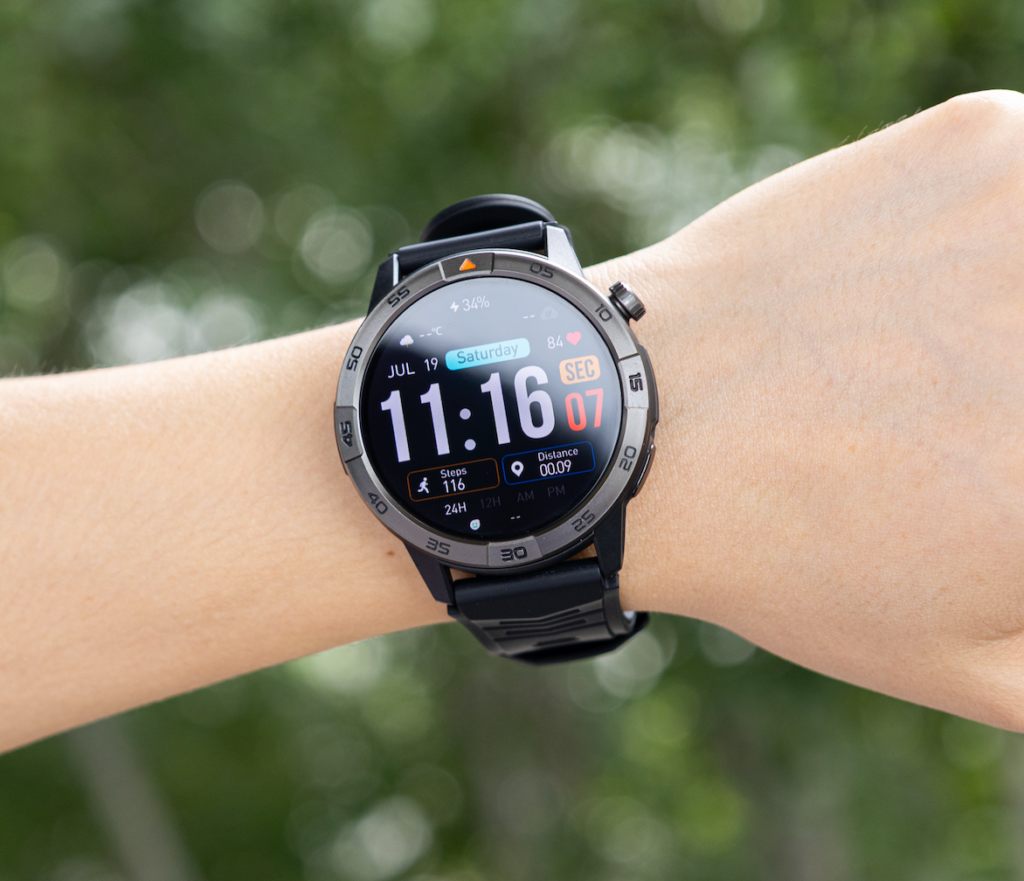
Compare the Four Tucson Translations
The assistant now compares four translations rather than four ambitious headlines.
Result One: Android-Compatible Companion
The watch is documented to connect to Android phones through a companion route. Its watch operating system remains unspecified.
Result Two: Confirmed Wear OS Watch
The operating system is identified, but exact phone requirements, applications, and independence still need verification.
Result Three: Android-Based Watch Claim
The source references Android-derived software without enough detail to classify the exact environment.
Result Four: Full-Android Claim Unresolved
The seller suggests phone-style applications and independence, but the individual claims lack sufficient support.
The assistant does not rank these results by the ambition of their wording. She compares clarity:
- Is the watch OS identified?
- Is Android-phone support defined?
- Is the companion route visible?
- Is watch-side application access documented?
- Are phone-free functions separated?
Once the terminology passes, the buyer can test the complete phone partnership using the exact translated relationship.
Shortcuts That Misread the Android Label
Does Android smartwatch always mean Wear OS?
No. It may describe phone compatibility, software ancestry, a companion application, or another Android-related relationship.
Does “works with Android” identify the watch operating system?
No. It establishes only the documented phone-support claim.
Is Wear OS the same as ordinary phone Android?
No. Treat it as a wrist-focused platform with its own application and interaction requirements.
Does a familiar app grid prove Wear OS?
No. Require exact current documentation rather than visual resemblance.
Does application-store artwork prove watch-app access?
No. Confirm the exact watch application route and device eligibility.
Does Android-based mean full Android?
No. “Android-based” remains incomplete until the exact implementation is identified.
Is full Android one standardized guarantee?
No. Break the phrase into software, application, service, and independence claims.
Does standalone always mean cellular?
No. It may refer to a stored tool, Wi-Fi function, local application, or another limited phone-free outcome.
Can proprietary watch software still work well with Android?
Yes. The buyer should judge the documented phone relationship rather than assuming proprietary software is automatically weak.
Does a companion application prove Android runs on the watch?
No. The application may connect an Android phone to entirely different watch software.
When should the translation be repeated?
Repeat it after a material listing, software, companion-app, phone-support, or independence-claim change.
Issue the Tucson Android Label Verdict
The Android Label Translation Board produces five verdicts:
- Android-Compatible Companion: Android-phone support through a companion route is documented, but Wear OS or phone-style Android is not established.
- Confirmed Wear OS Watch: Exact current evidence identifies Wear OS; all other relationship claims remain separate.
- Android-Based Watch Claim: Android-derived software is mentioned, but the implementation remains incomplete.
- Verified Phone-Style Android Claim: Exact evidence supports the stated software, application route, and individual independent functions.
- Label Unresolved: The wording does not provide enough evidence to separate software, phone support, app route, or independence.
The Tucson purchasing assistant issues Android-Compatible Companion for the selected result.
The evidence supports Android-phone compatibility through a companion application. It does not establish Wear OS, full Android, unrestricted watch-side applications, or complete phone-independent use.
This verdict classifies the wording only. It does not approve the product’s reliability, notification usefulness, battery life, GPS, calling, price, package contents, or suitability for the college program.
The Right Android Watch Starts With the Right Meaning
The Tucson review began with four search results that looked like variations of one category. The Translation Board revealed four different relationships.
One phrase described phone compatibility. Another identified Wear OS. A third offered an incomplete Android-based claim. The fourth bundled several phone-style and standalone promises without proving them separately.
The selected result receives Android-Compatible Companion. That classification is narrow by design: it says what the evidence supports and preserves every unresolved meaning.
A search for smartwatch Android should not end with the word Android. It should begin five separate questions about watch software, phone support, companion applications, watch-side apps, and phone-free functions. The right product comparison becomes possible only after those meanings stop borrowing evidence from one another.
Use the same Translation Board to translate this smartwatch’s Android label before comparing its features, independently verifying the watch OS, supported phones, companion route, application access, and each claimed phone-free function before assigning a verdict.