
Phone-switch day begins by recording what must survive.
A multi-state field-service dispatcher in Austin, Texas, has not disconnected her watch from the iPhone. Before changing accounts, permissions, or pairing, she records one generic priority alert, caller awareness, a privacy-safe schedule reminder, selected companion-account records, and the setup work she will accept. The best smartwatch for iPhone and Android must preserve that baseline through the switch and restore it after the return trip. Two successful app installations are not enough.
The best smartwatch for iPhone and Android preserves the buyer’s required alerts, caller awareness, reminders, account records, and accepted settings through both setup paths and a return switch. Test each platform separately, record unequal features, measure re-setup burden, and reject any watch that cannot restore the original function floor.
That round trip forms the Two-Platform Continuity Bridge: iPhone origin, migration span, Android landing, and iPhone return. The bridge closes only when the same required usefulness reaches both sides without unacceptable data loss or reconstruction.
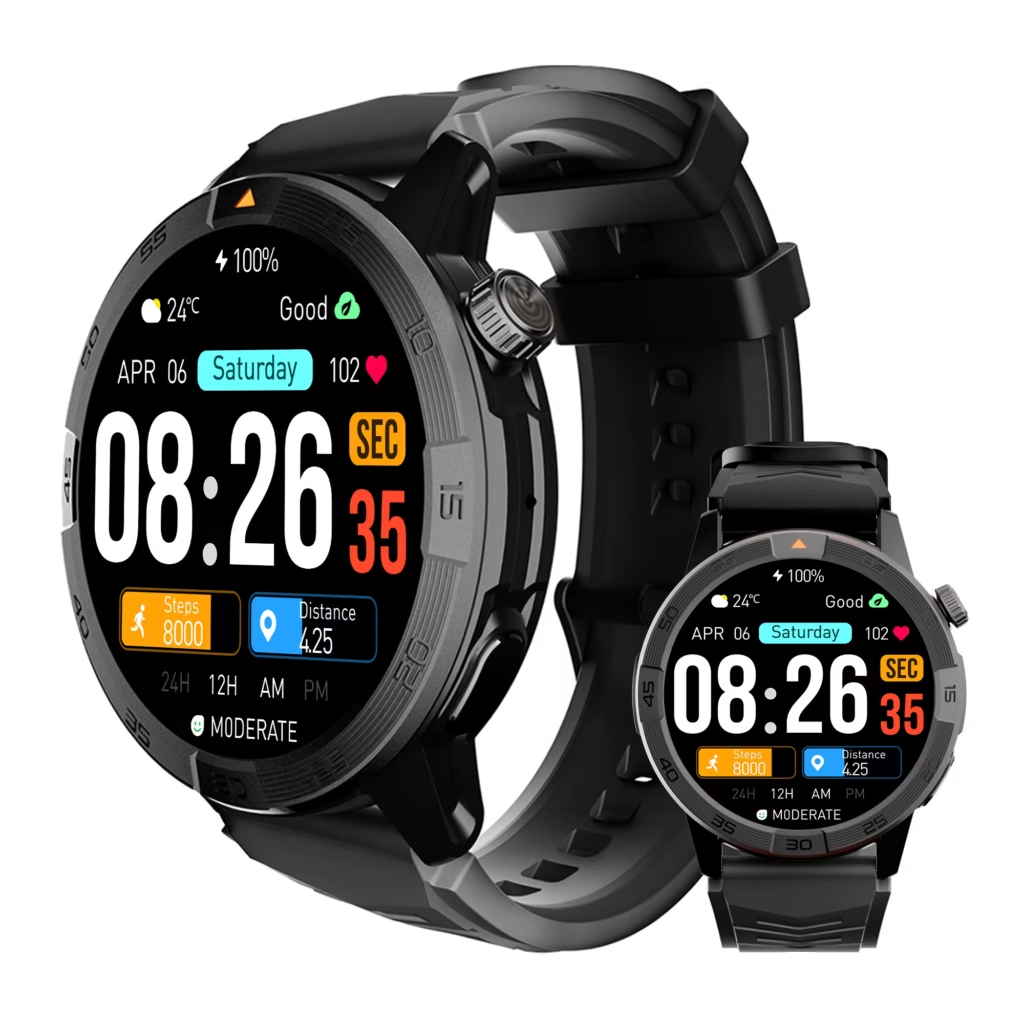
Record the Austin iPhone Baseline Before the Switch
The dispatcher records outcomes, not broad feature labels. Each requirement receives a result she can test again:
- Priority alert: One generic status alert reaches the wrist with enough context to decide whether the phone needs attention.
- Caller awareness: The required incoming-call identity or awareness level appears without assuming wrist conversation.
- Schedule reminder: One privacy-safe reminder reaches the watch in the expected state.
- Selected records: A small set of watch-owned consumer activity records remains available through the documented account.
No customer name, service address, technician location, work-order number, access code, payment detail, equipment identifier, or private dispatch note enters the test.
The origin receipt also records the current app, account state, permissions, phone fallback, last known synchronization point, and evidence date. Readers who still need to establish that relationship should first record the watch’s working iPhone compatibility depth.
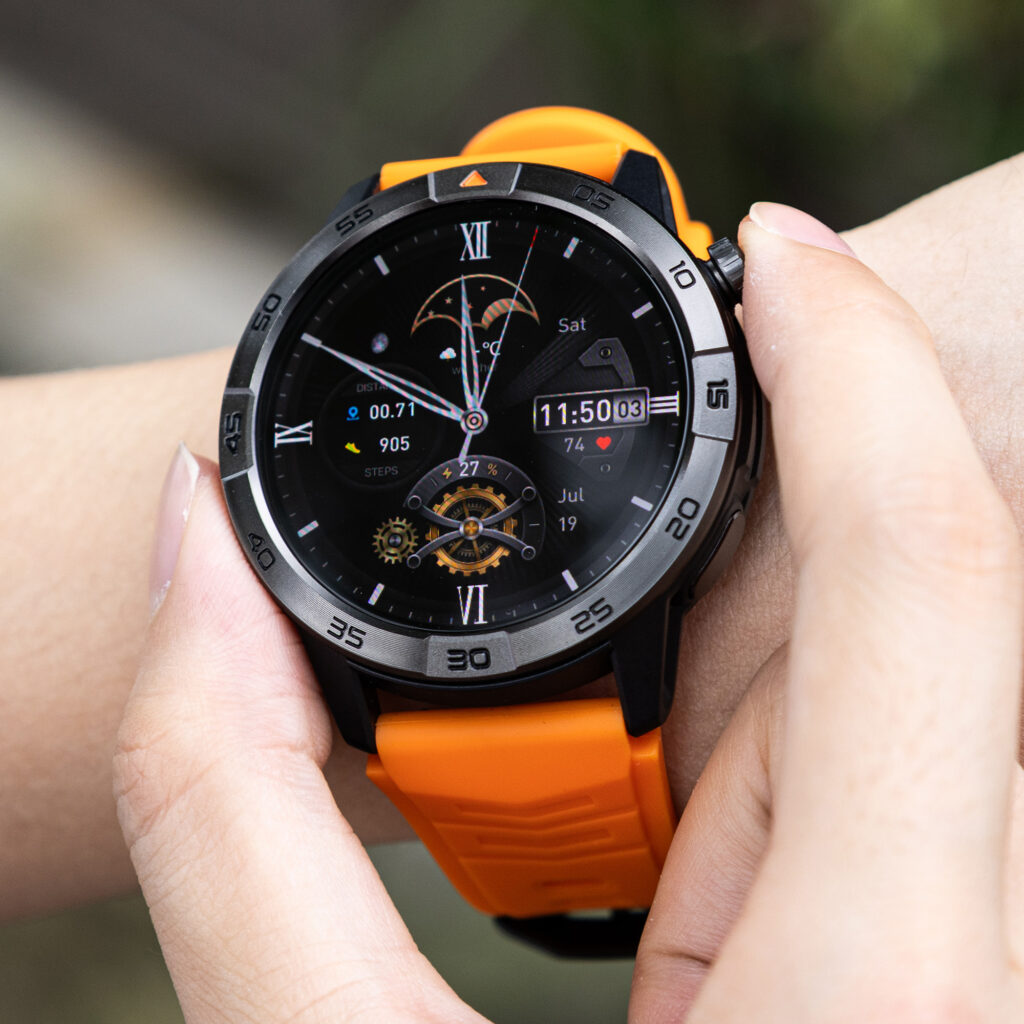
The best smartwatch for iPhone and Android cannot lower this standard after migration begins merely because the second platform uses different menus.
Preserve Outcomes, Not Identical Buttons
Continuity does not require every icon or shortcut to look identical. It requires the buyer’s important outcomes to remain available at an accepted level.
The dispatcher classifies every item as:
- Required continuity: Losing it breaks the bridge.
- Accepted equivalent: The interface changes, but the required result survives.
- Optional platform advantage: One phone offers more, but the difference does not control the purchase.
Her alert, caller awareness, reminder, and selected records remain required. A quick-response action is optional. Payment behavior stays outside the floor because no common verified route has been established.
The guide to deciding which phone tasks belong on the wrist helps prevent an optional feature from becoming a false continuity requirement halfway across the bridge.
Give Every Record a Custodian
The best smartwatch for iPhone and Android can restore a function while still leaving its history behind. The dispatcher creates a Data-Custody Ledger and assigns each important item to the watch, companion account, iPhone platform, Android platform, another documented service, or unknown custody.
Unknown custody blocks approval. An account sign-in may create a new empty history rather than restore the old one. The watch can look operational while continuity has already failed.
Activity and wellness records remain consumer information, not proof of sensor accuracy. The question is only whether selected records remain available through the documented route.
Data-Portability Gap includes missing history, duplicate records, an unexplained cutoff, changed ownership, or data that cannot return to the original platform.
Cross the Migration Span Without Exposing Service Data
The migration begins only after the origin receipt and custody ledger are complete. The best smartwatch for iPhone and Android must provide an exact, usable path rather than forcing the buyer to assume every watch requires a reset or uses one universal sequence.
Her Migration Inventory records the active account, last synchronization point, permissions, required settings, records that must survive, known optional losses, and documented return path.
A broad “works with both” badge cannot prove that the same model or companion route serves each phone. The buyer should confirm that the compatibility evidence belongs to the exact watch offer.
All checks occur while the dispatcher is seated and off active duty. She does not interact with the watch while driving, crossing parking areas, using stairs, carrying tools, directing vehicles, unloading equipment, or managing a live service incident.
Build the Android Landing Receipt
The Android checkpoint does not begin with “paired successfully.” It begins by recreating the same required outcomes.
The dispatcher verifies the current companion route for the exact phone, signs into the documented account, records accepted permissions, and reruns the fixed floor:
- Does the generic priority alert arrive with useful context?
- Does caller awareness appear at the required level?
- Does the schedule reminder reach the expected state?
- Do selected account records return without an unexplained gap?
Each item receives Preserved, Equivalent Outcome, Platform-Specific Difference, Manual Recovery, Missing, or Unknown. Only Preserved or a preapproved Equivalent Outcome passes a required row.
This defeats Compatible-on-Paper. The best smartwatch for iPhone and Android must reach the fixed floor, not merely appear in both app stores.
In the Austin example, all four rows pass. Android also provides a stronger generic quick response. Because that action was optional from the beginning, it becomes a platform advantage rather than a bridge requirement.
Record Unequal Features Instead of Averaging Them
Notifications, replies, calling, settings, payments, and background behavior may differ by platform. The dispatcher records each difference instead of averaging them into one vague score.
Unequal Feature Mirror occurs when the same label appears on both sides but the usable result differs. “Reply,” for example, could mean dismissing, sending a fixed response, composing, synchronizing, or merely viewing.
The same discipline applies to calling. When complete iPhone calling belongs to the floor, the buyer should trace the full iPhone call route before comparing Android. Matching call icons do not prove equivalent audio, microphone, initiation, or reconnection behavior.
The dispatcher accepts the stronger Android response as a bonus. It cannot compensate for a missing iPhone alert, reminder, or record history. Required rows do not trade against optional advantages.
Count Every Re-Setup Step
A watch can preserve its features yet create too much reconstruction work. The Re-Setup Burden Counter records app installation, account sign-in, required pairing actions, permission review, notification selection, setting restoration, record recovery, and repeated troubleshooting.
A deliberate one-time setup may be acceptable. Rebuilding the same configuration after every switch may not be.
Re-Setup Burden breaks the bridge when the watch is technically switchable but cannot be restored within the workload defined before purchase. That limit belongs to the buyer; there is no universal acceptable number of steps.
Make the Return Crossing to iPhone
Many dual-platform claims stop after Android setup. Article 350 requires the watch to return.
The dispatcher follows the documented route back and uses the opening receipt rather than memory. She repeats app eligibility, account restoration, required permissions, priority-alert delivery, caller awareness, reminder continuity, selected record recovery, and accepted background behavior.
Previous iPhone success cannot be borrowed after migration. Account state, permissions, settings, or records may have changed.
The dispatcher accepts some deliberate reapproval. The bridge passes only when the original function floor returns without unexplained loss or reconstruction beyond her accepted burden.
Compare the Returned State With the Origin Receipt
The two iPhone receipts now sit together. The dispatcher asks whether the same alert, caller-awareness result, reminder, records, and accepted settings returned. She also checks for duplicates, gaps, changed fallback, and conflicting data.
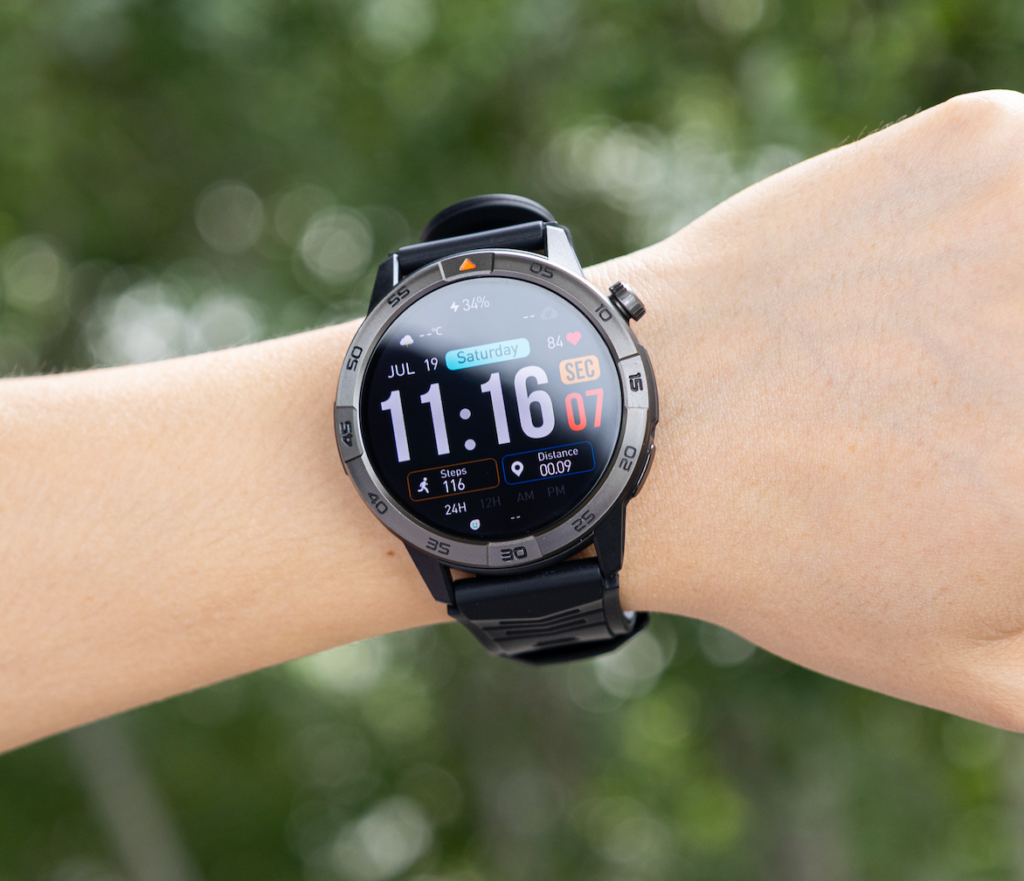
This catches a bridge that looked successful from the Android side. The best smartwatch for iPhone and Android must restore the origin relationship, not leave the buyer with a permanently weakened iPhone result.
In Austin, every required row returns. The Android quick-response advantage remains optional, and unverified payment parity remains outside the verdict.
Shortcuts That Collapse the Bridge
Does an app in both stores prove equal functions?
No. App availability is an entry check. Required outcomes must be tested on each exact phone.
Does pairing with both phones prove continuity?
No. Pairing does not prove alerts, caller awareness, reminders, records, background behavior, or return restoration.
Must every feature behave identically?
No. The best smartwatch for iPhone and Android may use different controls while preserving the same required result.
Can a stronger Android feature compensate for a missing iPhone requirement?
No. Each platform must meet the fixed floor independently.
Does account sign-in guarantee that old records return?
No. Record custody and the last known entry still need verification.
Does one completed switch prove continuity?
No. Without the return crossing, the buyer knows only that the watch can leave the origin.
Can payment support be assumed on both?
No. Include payments only after both exact routes are verified and added to the continuity charter.
Can one watch stay connected to both phones?
That is product-specific and outside this sequential migration test unless exact documentation supports it.
When should the bridge be rebuilt?
Rebuild it after a material phone, software, app, account, permission, custody, or required-task change.
Issue the Austin Dual-Platform Verdict
The Two-Platform Continuity Bridge produces four verdicts:
- Dual-Platform Continuity: Every required function and record survives both setups and the return crossing. Optional differences are documented and accepted.
- Platform-Specific Strength: The watch works on both, but one platform provides materially stronger required outcomes.
- Switchable With Loss: Migration works, but an accepted function, setting, or record does not survive completely.
- One-Platform Only: The watch cannot maintain the minimum floor on both platforms.
The Austin dispatcher receives Dual-Platform Continuity. Her generic priority alert, caller awareness, reminder, and selected account records survive the iPhone origin, Android landing, and iPhone return. Android keeps one optional response advantage, while payment parity stays excluded.
The verdict confirms continuity, not perfect platform equality. The best smartwatch for iPhone and Android still earns its result only for the tested phones, routes, accounts, permissions, records, and evidence date.
The Best Cross-Platform Watch Completes the Return Trip
Phone-switch day began with a baseline, not a reset. That decision makes the final comparison possible.
The origin and return receipts match on every required row. Android preserves the same core usefulness. Optional asymmetry was recorded instead of hidden, data custody remained identifiable, and the re-setup work stayed acceptable.
For this Austin dispatcher, the verdict is Dual-Platform Continuity. A later phone, software, app, account, or task change can require another crossing.
The best smartwatch for iPhone and Android is not simply one that can install on both. It preserves the buyer’s useful relationship on each platform and restores the original setup after the return trip.
Use your origin receipt and migration inventory to place this smartwatch on your two-platform continuity bridge, independently verifying both companion routes, required functions, record custody, platform differences, re-setup burden, and return crossing before assigning a verdict.