
Myth: a calling smartwatch is automatically useful because it lets you answer from your wrist. Reality: whether a smartwatch with calling feature worth buying depends on how often you receive calls, how hard your phone is to reach, where you work, how much privacy you need, and whether Bluetooth calling fits your routine. For many U.S. consumers, the feature is valuable. For others, earbuds or a basic smartwatch may make more sense.
This article answers one question: is a smartwatch with a calling feature worth buying for your daily life?
Quick Verdict for U.S. Buyers
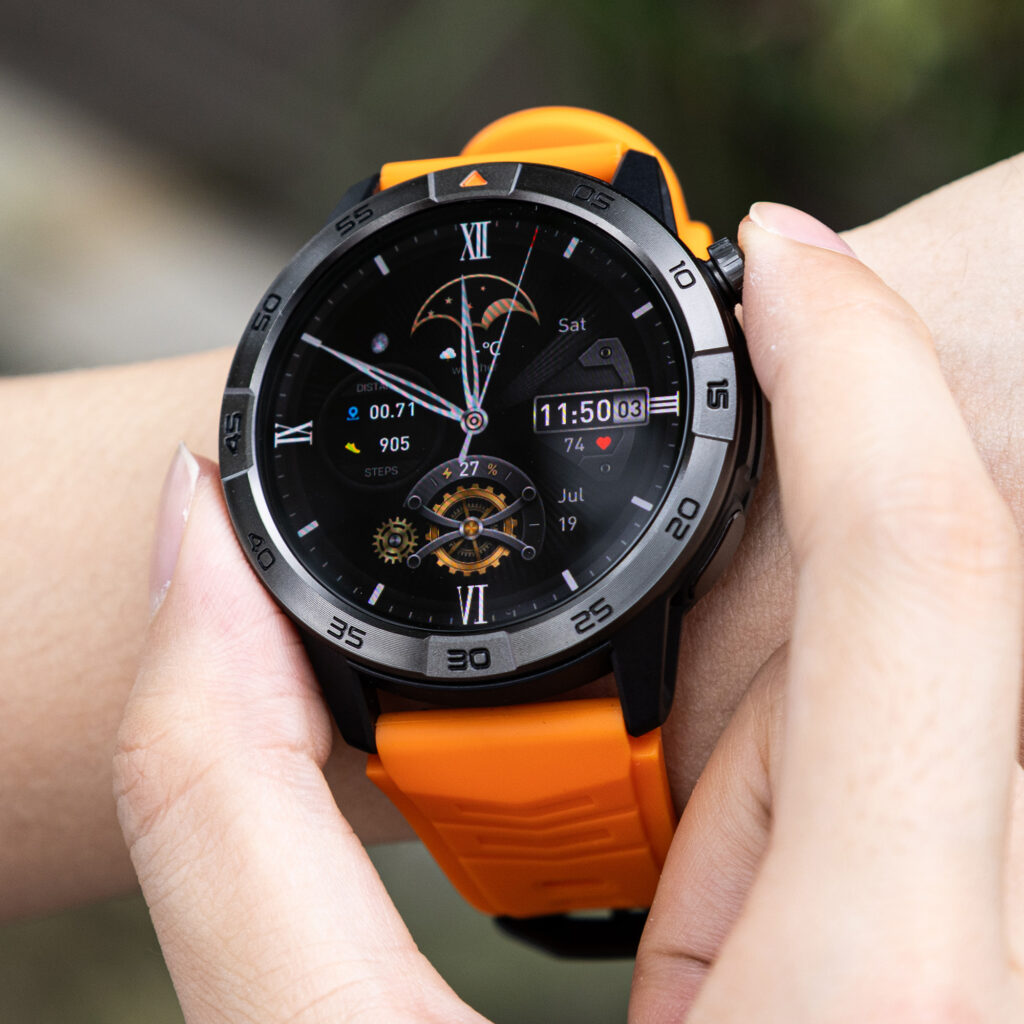
A smartwatch with a calling feature is worth buying if you regularly miss calls because your phone is in a pocket, bag, desk drawer, another room nearby, or somewhere inconvenient to reach. It is also useful if most of your calls are short and practical, such as family updates, work check-ins, delivery calls, appointment reminders, or quick “I’ll call you back” conversations.
It is less worth buying if you rarely receive calls, need private conversations, take long business calls, or expect the watch to replace your phone completely.
Most Bluetooth calling smartwatches still depend on a nearby paired phone. They are not the same as LTE or cellular models. That difference matters when judging value.
The Value Scorecard: How to Judge the Calling Feature
Use this simple scorecard before buying.
| Buying Factor | Low Value | Medium Value | High Value |
|---|---|---|---|
| Calls received daily | 0–1 calls | 2–4 calls | 5+ calls |
| Phone accessibility | Always in hand | Sometimes hard to reach | Often in bag, pocket, or across room |
| Work environment | Quiet/private | Mixed | Busy, mobile, hands occupied |
| Privacy need | High privacy needed | Mixed | Mostly quick non-private calls |
| Battery expectations | Do not mind charging often | Want less charging | Strongly dislike frequent charging |
| Commuting frequency | Rare | A few days weekly | Daily commute or errands |
| Need for GPS | Not needed | Sometimes useful | Useful for walking, travel, routes |
| Budget | Wants cheapest option only | Under-$200 value matters | Wants useful features without premium pricing |
If most of your answers fall in the high value column, the calling feature is likely worth paying for. If most fall in the low value column, it may not be the feature that should drive your purchase.
Number of Calls Received Daily
The calling feature becomes more valuable when your phone rings often enough to interrupt your routine.
If you receive one call every few days, a calling smartwatch may not change much. You may be fine with a regular smartwatch that only shows notifications. But if you receive several calls a day, wrist calling can save time and reduce missed calls.
For American users who deal with family calls, school updates, work calls, customer calls, or appointment reminders, the feature can be practical. It helps you quickly decide whether to answer, reject, or call back later.
Value Rating
- Low value: You rarely receive calls.
- Medium value: You receive a few calls daily.
- High value: Calls regularly interrupt your day.
If calls are part of your normal routine, the feature has real value.
Phone Accessibility During the Day
This is one of the biggest value factors.
A calling smartwatch is most useful when your phone is nearby but not easy to reach. That can happen during grocery shopping, walking, cooking, cleaning, working, commuting, or moving around the house.
In the United States, many people carry large phones in bags, backpacks, jacket pockets, or desk drawers. The phone may be close, but answering still takes time. A smartwatch lets you check the caller from your wrist first.
When Phone Access Makes Calling Worth It
The feature is more useful if your phone is often:
- Inside a bag
- In a coat pocket
- On a desk across the room
- Charging nearby
- In a backpack
- Under work gear
- Not easy to grab during errands
If your phone is always in your hand, the calling feature is less important.
For a related speed-focused article, see smartwatch call answer feature.
Work Environment in the USA
Your work environment can make or break the value of smartwatch calling.
For office workers, the benefit is caller ID and quick call control. You can see whether a call is worth stepping away for. For remote workers, it helps when the phone is charging nearby or sitting in another room. For retail, delivery, or mobile workers, it can help with call awareness when the phone is not easy to pull out.
But it is not ideal for every workplace. If you handle sensitive information, work in a noisy setting, operate equipment, or follow strict phone rules, wrist calling may not be appropriate.
Work Value Rating
- High value: You need quick caller ID and short call control.
- Medium value: You sometimes step away from your phone.
- Low value: Your work requires privacy, silence, or no wrist interaction.
A smartwatch should support the workday, not distract from it.
Privacy: The Most Overlooked Buying Factor
Calling from a smartwatch is convenient, but it is not always private.
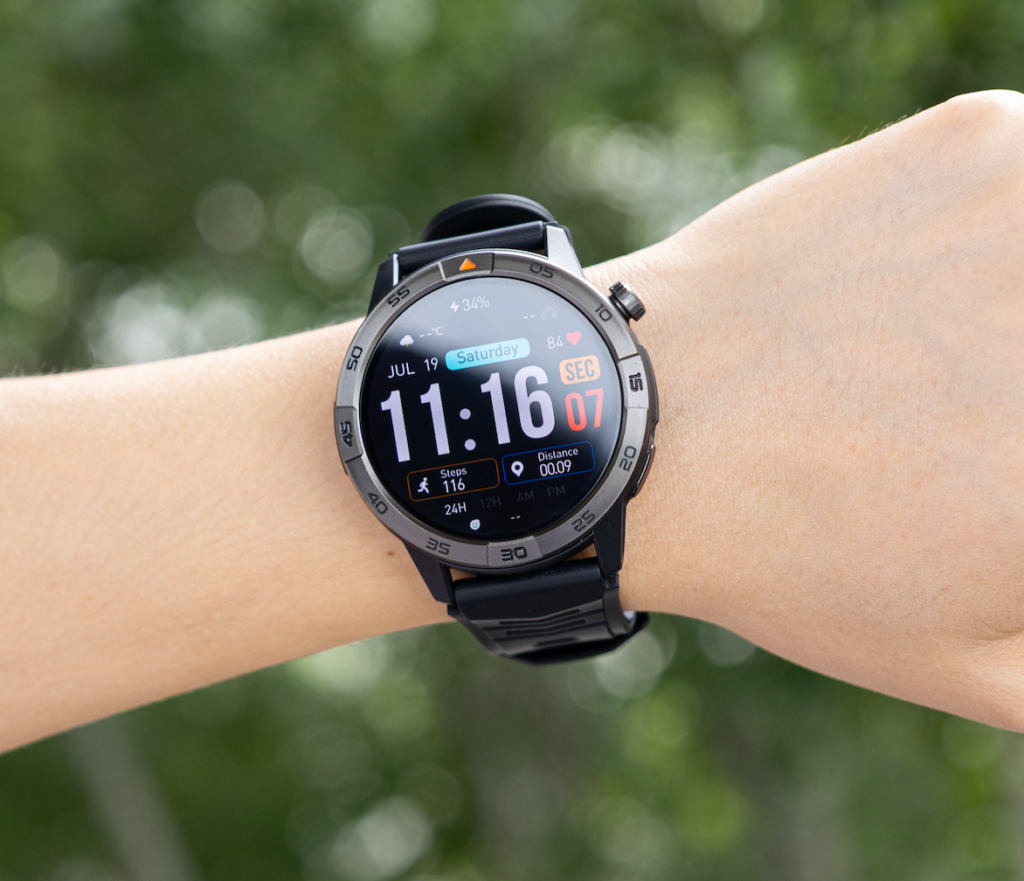
The watch speaker is better for quick, casual calls than confidential conversations. If you often discuss personal, medical, financial, or business-sensitive topics, earbuds or the phone itself may be better.
For example, a Chicago remote worker may use the watch to answer a quick delivery call, but still switch to earbuds for a private client discussion. A parent may answer a school call from the wrist at home, but avoid doing that in a crowded store.
Privacy Value Rating
- High value: Most calls are short and not private.
- Medium value: Some calls are private, some are casual.
- Low value: Most calls require privacy.
If privacy matters most, the calling feature is useful only as a screening tool.
Battery Expectations
Calling features can affect battery life. Bluetooth calling, high brightness, frequent alerts, health tracking, and GPS use can all reduce runtime compared with light use.
That does not mean the feature is bad. It means buyers should be realistic.
For U.S. consumers who hate charging devices every night, battery expectation is important. A smartwatch with advertised long battery life can be appealing, but “up to” battery claims are maximum ratings, not guaranteed results for every user.
If you plan to use calls, notifications, GPS, and bright screen settings often, expect shorter real-world battery life than the maximum advertised number.
Battery Value Rating
- High value: You want fewer charging interruptions and understand heavy use reduces runtime.
- Medium value: You are comfortable charging every few days if needed.
- Low value: You expect maximum battery life while using every feature heavily.
For more battery-focused buying help, read smartwatch with Bluetooth calls and long battery.
Frequency of Commuting and Errands
Calling features are more useful for people who move around often.
If you commute, walk through parking lots, shop frequently, travel between buildings, or run errands during the day, wrist call alerts can reduce missed calls. The watch gives you a faster first response when the phone is not in your hand.
For a California commuter, the value may be quickly checking whether a call is important while walking from transit to the office. For a parent running errands in a busy U.S. suburb, it may be seeing a family call without digging through a bag.
Commute Value Rating
- High value: You commute, walk, shop, or travel often.
- Medium value: You move around some days.
- Low value: You mostly stay near your phone.
The more mobile your routine is, the more useful wrist calling becomes.
Need for GPS Alongside Calling
GPS does not decide the value of calling by itself, but it can strengthen the purchase if you want one smartwatch for more than calls.
Built-in GPS can matter if you walk outdoors, track routes, travel, or want location-related features without relying only on basic step counts. Offline maps can also be useful for certain travel or outdoor situations.
But if you only care about answering calls, GPS should not be the main reason to buy. It is a supporting feature, not the core value for this article’s question.
GPS Value Rating
- High value: You want calling plus route, walking, or travel support.
- Medium value: You may use GPS occasionally.
- Low value: You only need call alerts and basic notifications.
For call-first buyers, GPS is a bonus. For active users, it may increase overall value.
Budget: Is the Calling Feature Worth Paying For?
For many U.S. buyers, price is where the decision becomes clear.
A premium smartwatch can cost much more than some people want to spend. A budget watch may be cheaper but may not offer the same mix of calling, display quality, GPS, and battery expectations. The best value depends on whether the calling feature solves a real daily problem.
A $150 smartwatch can make sense if you want Bluetooth calling without moving into premium smartwatch pricing. But it is only worth it if you will actually use wrist calling often enough.
Budget Value Rating
- High value: You want calling convenience under premium pricing.
- Medium value: You are comparing several under-$200 options.
- Low value: You want the cheapest possible watch and do not care about calls.
The calling feature is worth paying for when it saves time, reduces missed calls, and fits your daily phone habits.
Alternatives to a Calling Smartwatch
A smartwatch is not the only way to handle calls.
Wireless Earbuds
Earbuds are better for privacy, longer conversations, and noisy places. If most of your calls are long or personal, earbuds may be a better communication tool.
Phone Speaker
Phone speaker works well at home or in private rooms. It is less useful in public spaces and not ideal when you are moving around.
LTE Smartwatch
An LTE smartwatch is better if you want calling without keeping your phone nearby. It usually costs more and may require a service plan.
Regular Smartwatch Without Calling
A non-calling smartwatch may be enough if you only want notifications, steps, alarms, and basic alerts.
The honest answer is simple: buy a calling smartwatch only if wrist-based answering solves a problem that these alternatives do not solve as conveniently.
Who Should Buy a Smartwatch With a Calling Feature?
A smartwatch with a calling feature is worth considering if you:
- Receive several calls daily
- Miss calls because your phone is not easy to reach
- Want quick caller ID on your wrist
- Prefer short wrist-based conversations
- Work in a setting where quick call screening helps
- Run errands or commute often
- Want Bluetooth calling without premium pricing
- Understand the phone needs to stay nearby for Bluetooth calls
This type of smartwatch is especially useful for American users who want faster call awareness during normal daily routines rather than a full phone replacement.
Who Should Skip It?
You may not need a smartwatch with a calling feature if you:
- Rarely receive phone calls
- Always keep your phone in hand
- Need private conversations most of the time
- Take long calls every day
- Work in a noisy or safety-sensitive environment
- Want independent calling without a nearby phone
- Already use earbuds for nearly every call
- Only care about basic fitness tracking
Skipping it does not mean the feature is bad. It means the feature may not match your main need.
Final Buying Advice
Do not buy a smartwatch with a calling feature just because the feature sounds impressive. Buy it if it solves a real communication problem in your day.
If your phone is often buried in a bag, sitting across the room, or hard to reach during errands, work, or commuting, wrist calling can be worth it. If your phone is always in your hand or your calls are mostly private, the value drops.
After scoring your routine, you can check the smartwatch calling details to confirm whether its Bluetooth calling setup fits the value you actually need.
Frequently Asked Questions
Is a smartwatch with a calling feature worth buying?
Yes, it can be worth buying if you often receive calls and your phone is not always easy to reach. It is most useful for caller ID, quick answers, and short conversations.
Who benefits most from a calling smartwatch?
People who receive several calls daily, commute, run errands, work away from their phone, or often keep the phone in a bag or pocket benefit the most.
Can a calling smartwatch replace my phone?
No. Most Bluetooth calling smartwatches still need the paired phone nearby. They are better for quick call handling than full phone replacement.
Are earbuds better than a smartwatch for calls?
Earbuds are better for privacy, long calls, and noisy places. A smartwatch is better for fast caller ID and short calls when your phone is nearby but inconvenient to reach.
Does calling reduce smartwatch battery life?
Yes, frequent Bluetooth calls, notifications, high brightness, GPS, and tracking can reduce battery life compared with lighter use.
Should I buy a calling smartwatch if I rarely receive calls?
Probably not for the calling feature alone. If you rarely receive calls, focus on battery life, fitness tracking, GPS, display quality, or price instead.