
Two smartwatches can look similar at checkout, but the real cost may look very different after three years. An affordable smartwatch with phone call feature is not just about the price you pay today. For U.S. buyers, the better question is whether the watch keeps ownership costs low after you add charging habits, replacement accessories, app needs, and possible cellular plan fees.
This article answers one question: what makes a calling smartwatch affordable beyond the sticker price?
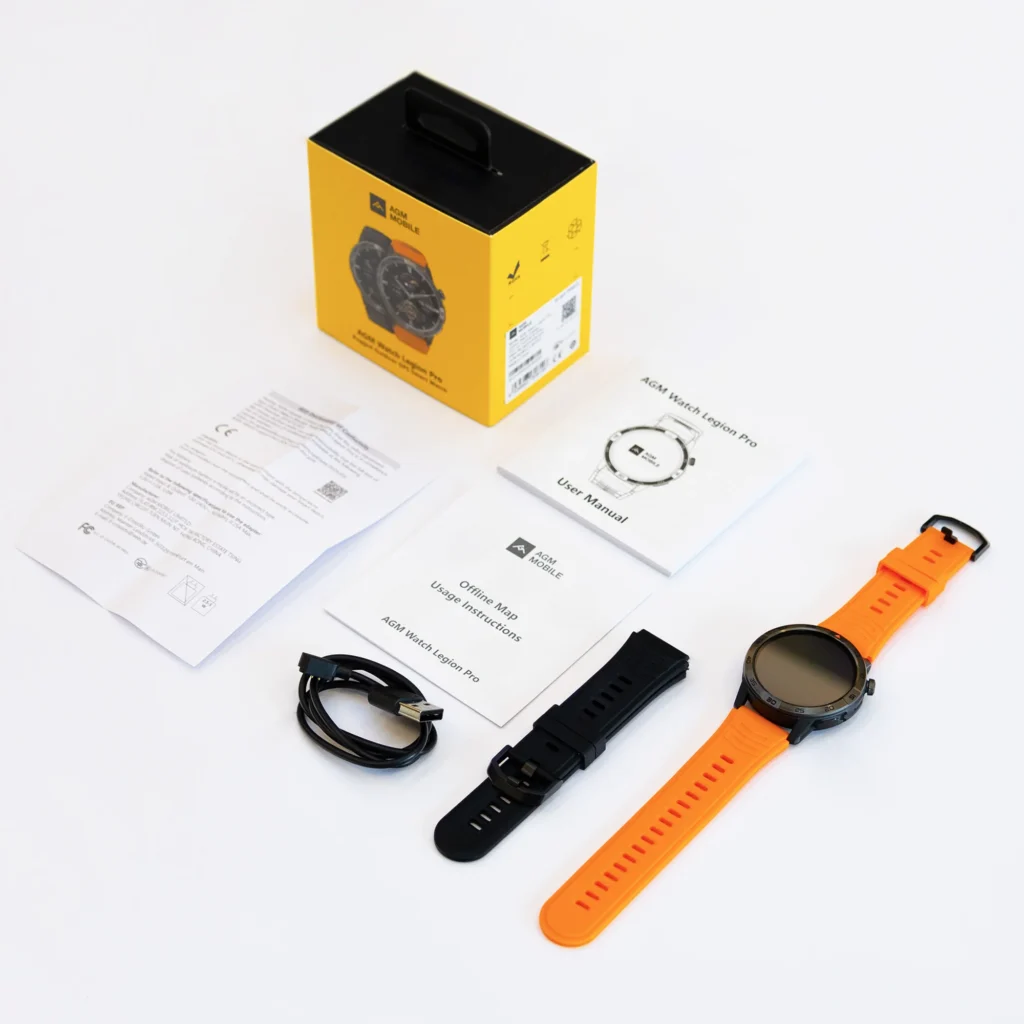
Initial Purchase Price in the United States
The first cost is the price you see on the product page. For many American consumers, an affordable smartwatch usually means staying below premium smartwatch pricing while still getting useful everyday features.
A smartwatch around the $150 range can feel attractive because it sits below many premium models but still offers wrist-based calling through Bluetooth. That price matters for buyers who want call convenience without spending several hundred dollars upfront.
But the initial price should not be the only number you consider. A cheaper watch is not always the better value if it needs frequent replacement, extra accessories, paid apps, or a monthly cellular plan. A more affordable buying decision looks at the full ownership cost, not only the checkout price.
Charging Frequency and Ownership Convenience
Charging does not always feel like a cost, but it affects daily value. A smartwatch that needs constant charging can become annoying, especially for American users who already charge phones, earbuds, laptops, tablets, and other devices.
If you forget to charge the watch, you may lose call alerts, tracking, alarms, and notifications when you need them. That makes the watch less useful even if the original price was low.
For ownership value, the question is simple: does the watch fit your charging habits?
If you hate daily charging, a watch that can last longer between charges may feel more affordable over time because it creates less daily maintenance.
For more battery-focused buying help, see smartwatch with battery that lasts weeks.
Replacement Accessories and Hidden Small Costs
The sticker price does not always include everything you may buy later. Over three years, small accessory costs can add up.
Common replacement or add-on costs may include:
- Replacement charging cable
- Extra watch strap
- Screen protector
- Protective case
- Travel charger
- Different strap for work, gym, or casual use
These accessories are not always required, but many U.S. buyers end up purchasing at least one or two. A damaged charger or worn strap can turn a low-cost watch into a slightly higher ownership investment.
This is why durability of basic accessories matters. A watch may be affordable upfront, but if the charger or band is difficult to replace, ownership becomes less convenient.
For budget-conscious buyers, choose a smartwatch that does not require expensive proprietary accessories whenever possible.
App Costs and Feature Access
Some smartwatches rely on companion apps for syncing, notifications, call settings, watch faces, fitness data, and device updates. Many basic app functions are usually free, but buyers should still pay attention to app-related costs.
Before buying, check whether the features you actually need require paid upgrades. For this article’s intent, the most important feature is phone call support. You should not need a paid subscription just to use basic Bluetooth call handling.
Potential app-related cost questions include:
- Does the app require a paid account?
- Are basic call features free?
- Are important watch faces locked behind payment?
- Are fitness insights free or premium?
- Does the app work well on both iPhone and Android?
- Are updates available without extra cost?
For an affordable smartwatch with phone call feature, the best value comes when basic calling, notifications, and daily tools do not depend on an ongoing paid app plan.
Cellular Subscription Costs in the U.S.
This is where many buyers miss the real cost difference.
Bluetooth calling and LTE calling are not the same. A Bluetooth calling smartwatch usually uses the nearby paired phone to handle calls. An LTE or cellular smartwatch can make calls more independently, but it may require a separate carrier plan.
That separate plan can add monthly cost over time. Even a small monthly fee becomes meaningful over several years.
For example:
| Monthly Cellular Watch Plan | Added Cost Over 1 Year | Added Cost Over 3 Years |
|---|---|---|
| $5 per month | $60 | $180 |
| $10 per month | $120 | $360 |
| $15 per month | $180 | $540 |
These are simple ownership examples, not a guarantee of any carrier’s pricing. Actual costs depend on the U.S. carrier, plan, taxes, fees, and device support.
The key point is that a Bluetooth calling watch can avoid a separate smartwatch cellular line because it relies on the nearby paired phone. That can make a big difference for buyers who want phone-call convenience without adding another monthly bill.
Bluetooth Calling vs LTE Ownership Cost
The difference between Bluetooth and LTE is one of the most important parts of this value audit.
Bluetooth Calling Ownership
Bluetooth calling usually works when:
- Your phone is nearby
- The watch is paired correctly
- Call audio is enabled
- Permissions are allowed
- Bluetooth connection is stable
The cost advantage is that you generally do not need a separate watch cellular plan. For many American users, that makes Bluetooth calling the more affordable option.
LTE Calling Ownership
LTE calling may be better when:
- You want to leave your phone behind
- You need independent calling
- You run, travel, or work without carrying your phone
- You are comfortable paying for carrier support
The downside is higher ownership cost. The watch may cost more upfront, and the monthly plan can add hundreds of dollars over three years.
Value Verdict
Bluetooth calling is usually the better affordable choice if your phone is normally nearby. LTE is better if independence matters more than total cost.
For many U.S. buyers, the practical question is not “Which is more advanced?” It is “Do I really need to pay monthly for calling without my phone?”
Features Included at the Price
An affordable smartwatch becomes stronger value when the price includes more than one useful feature. For this article, the calling feature is the main focus, but other included tools can improve the total ownership value.

Useful features may include:
- Bluetooth calling
- Caller ID on the wrist
- Notifications
- Built-in GPS
- Offline maps
- AMOLED display
- Activity tracking
- Sleep tracking
- Music controls
- Alarms
- Calendar tools
- iPhone and Android compatibility
The important point is not to buy because the feature list is long. Buy because the included features match your real routine.
If you mostly care about calls, focus on call handling, speaker and microphone support, Bluetooth stability, and phone compatibility. If you also walk, commute, travel, or track activity, GPS and fitness tools may increase the value.
For a call-focused feature breakdown, see smartwatch with speaker and microphone for calls.
Three-Year Value Scenario for U.S. Buyers
A three-year view helps show why ownership cost matters more than sticker price alone.
Scenario A: Bluetooth Calling Smartwatch
Example ownership picture:
- Initial watch cost: $150
- Cellular plan: $0
- Replacement strap or accessory: optional
- App subscription for basic calling: not expected
- Three-year calling plan cost: $0
In this scenario, the main cost is the watch itself and any optional accessories. For users who keep their phone nearby, this can be a strong affordable setup.
Scenario B: LTE Smartwatch With Monthly Plan
Example ownership picture:
- Initial watch cost: higher than many Bluetooth models
- Cellular plan: possible monthly fee
- Three-year cellular cost: can add significantly over time
- Accessories: still possible
- Carrier compatibility: required
Even if the LTE watch offers more independence, the long-term cost can be much higher.
Scenario C: Cheapest Smartwatch Without Calling
Example ownership picture:
- Lower initial cost
- No calling feature
- No cellular plan
- May still need accessories
- May not solve missed-call problems
This can be the cheapest option, but not necessarily the best value if the buyer’s main problem is missing calls or constantly reaching for the phone.
Three-Year Takeaway
If you want call convenience but usually keep your phone nearby, Bluetooth calling can offer a better cost-to-use balance than LTE. If you need independent calling without the phone, LTE may justify the extra cost.
Best-Value Buyer Profile
An affordable smartwatch with phone call feature is a strong fit for a specific kind of buyer.
It makes the most sense if you:
- Want call alerts and short wrist-based conversations
- Usually keep your phone nearby
- Do not want a separate cellular plan
- Prefer staying around the lower end of smartwatch pricing
- Want daily tools beyond basic timekeeping
- Care about battery convenience
- Want one device for calls, alerts, activity, and routine use
- Do not need full phone independence
This buyer is not chasing the most premium smartwatch. They want useful features without paying for things they may not need.
That is where Bluetooth calling can be valuable. It gives wrist-based call convenience while avoiding the extra ownership cost often connected with LTE smartwatch plans.
Who Should Choose a Different Option?
This type of smartwatch is not the best choice for everyone.
You may want a different option if:
- You need calls without your phone nearby
- You want LTE independence
- You take long private calls every day
- You already use earbuds for every call
- You only want the cheapest basic tracker
- You need advanced app ecosystems
- You require specialized sports or medical-grade features
A smartwatch is affordable only if it fits the job you need it to do. If it does not solve your actual problem, even a low price may not be good value.
Where This Smartwatch Fits in the Cost Audit
This smartwatch fits buyers who want Bluetooth calling without adding a separate cellular plan. The key value is not independent LTE calling. It is the ability to handle quick calls from the wrist while keeping the paired phone nearby.
At around $150, the appeal is strongest for U.S. consumers who want call convenience, everyday notifications, and practical smartwatch tools without moving into premium pricing or monthly watch-line costs.
It is not the right fit if your main need is phone-free calling. But if your phone is usually nearby and you mainly want caller ID, quick answering, and short conversations, the ownership cost can make sense.
Final Buying Advice
Look beyond the sticker price. The better value question is how much the watch costs to use over time.
If you want wrist-based calling but do not want another monthly bill, Bluetooth calling is the cost-conscious path. If you need to call without your phone nearby, compare the higher cost of LTE models and carrier plans before deciding.
For a simple cost check, add up the watch price, likely accessories, and any monthly service costs you would actually pay. Then you can check the smartwatch price and call feature details to see whether the Bluetooth calling setup gives you the ownership value you want.
Frequently Asked Questions
Is an affordable smartwatch with phone call feature worth buying?
Yes, it can be worth buying if you want quick wrist-based call handling without paying premium smartwatch prices or adding a separate cellular plan.
Does Bluetooth calling require a monthly plan?
Usually no. Bluetooth calling generally uses the nearby paired phone, so it does not require a separate smartwatch cellular plan.
Is LTE calling more expensive than Bluetooth calling?
LTE calling can be more expensive because it may require a higher-priced watch and a monthly carrier plan. Bluetooth calling is usually more affordable if your phone stays nearby.
What hidden costs should I consider before buying?
Consider replacement straps, charging cables, screen protectors, app costs, and possible cellular service fees if you choose an LTE model.
Is a cheaper smartwatch always better value?
No. A cheaper watch is only better value if it solves your actual need. If you want phone calls from the wrist, a basic tracker without calling may not be enough.
Who should skip an affordable Bluetooth calling smartwatch?
Skip it if you need independent calling without your phone nearby, take long private calls, or already use earbuds for nearly every conversation.