
January fills the left half of the monitor with one clean number: the price paid for a new watch. December fills the right half with twelve calendar squares and several smaller charges—shipping, a replacement band, a charging accessory, an app payment, and a possible repair entry. Both sides describe the same low cost smartwatch, yet only one side shows what ownership actually required. For the irrigation-supply purchasing clerk in Bakersfield, California, the question is no longer whether the checkout price looked low. The real question is whether the word “low” survived an entire year of useful service.
The First-Year Low-Cost Receipt connects those two screens. It records the original purchase, every later expense, the month each charge occurred, any refund or reimbursement, and the number of months the watch continued to perform its defined wrist role. Actual spending stays separate from money merely reserved for a possible repair or replacement.
First-year smartwatch cost equals the watch price, shipping, required accessories, replacement accessories, paid apps or services, unrecovered return losses, and actual repair or replacement spending. Divide that total by the months the watch successfully performed its required role. Keep any unspent early-replacement allowance separate as conditional exposure. The December total—not the January sticker—determines whether a low cost smartwatch remained low cost.
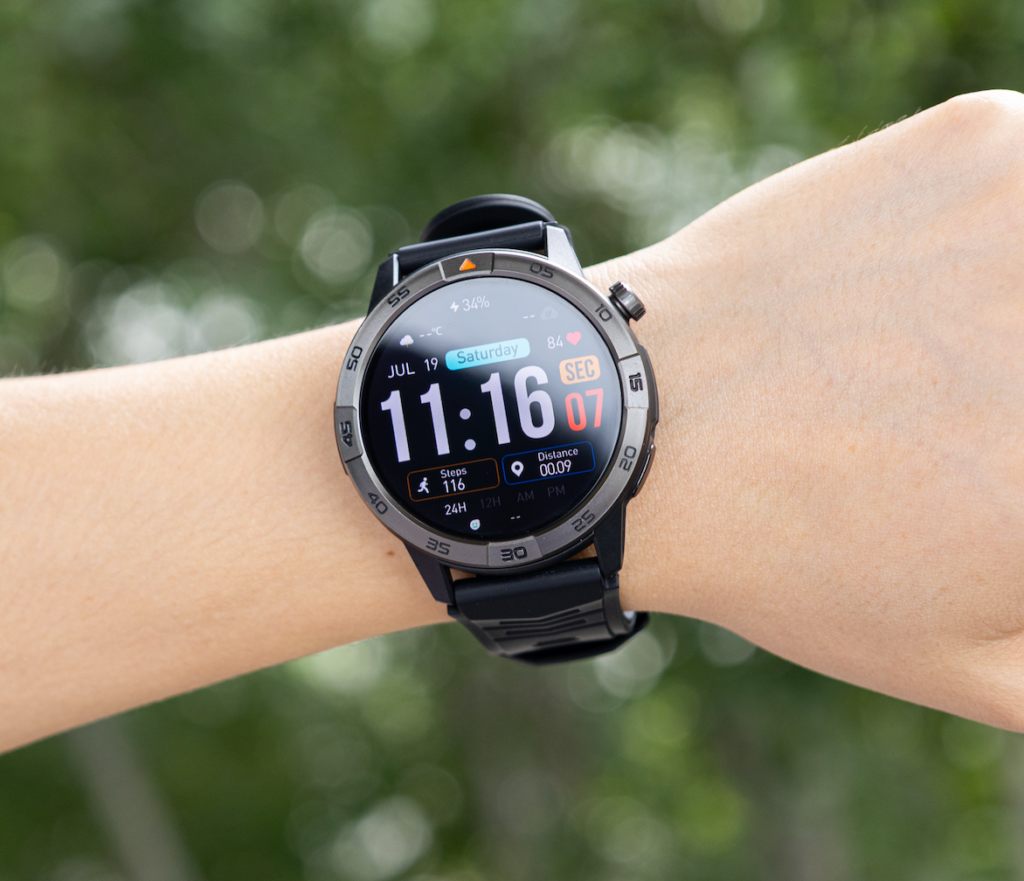
Why a Low U.S. Checkout Price Can Grow by December
A checkout price measures one transaction. First-year ownership may involve delivery, a required setup item, a replacement strap, a charging accessory, a paid app, return shipping, or an early repair. None of those costs should be assumed, but each one belongs on the receipt when it actually occurs.
The purchasing clerk should also separate cost from value. A watch can deliver useful functions and still accumulate more expense than expected. Another model may have fewer features yet remain inexpensive to own. The buyer can separate useful purchase value from the money spent across year one before treating the two decisions as interchangeable.
A low cost smartwatch earns its label twice: first at checkout and again after the first twelve months are totaled.
Define Useful Service for the Bakersfield Purchasing Desk
Monthly cost means little until “useful service” is defined. The Bakersfield clerk needs selected supplier alerts, delivery-window changes, useful caller context, alarms or timers, intended-phone support, readable information, and battery behavior that covers the normal purchasing routine.
The watch is in useful service while it completes that role. Mere possession does not count. A device sitting in a drawer because required notifications stopped working adds no useful month, even though the owner still has it.
Occasional nonuse does not automatically end service. A vacation week or a few days without alerts may still fall inside a useful month. Permanent loss of the required phone path, repeated charging failure, an unreadable screen, or another role-breaking problem stops the count until the function is restored.
The clerk should define the purchasing-desk wrist role before counting service months. That boundary prevents possession time from making the low cost smartwatch appear cheaper than it was.
Record the January Delivered Cost
The first receipt entries come from the actual order record, not the advertised starting price. Enter the exact purchased configuration, the amount paid after any documented discount, shipping, and any required purchase-day accessory. Sales tax may remain inside the delivered total when it appears on the receipt; no universal rate should be estimated.
January should not include expenses that have not happened. Future bands, chargers, subscriptions, and repairs stay blank until money moves.
Before opening the yearly ledger, verify the exact low-price offer before starting its first-year receipt. A mismatched configuration or missing charging method can distort the ownership calculation from day one.
Actual first-year cost = watch price + shipping + required accessories + replacement strap + replacement charger + paid app or service costs + unrecovered return loss + actual repair or replacement spending.
Cost per useful-service month = actual first-year cost ÷ months the watch successfully completed its required role.
Separate Required Accessories From Optional Purchases
A required accessory belongs in the ownership total because the protected wrist role cannot work without it. Examples may include a necessary charging component, a size adapter, or a replacement band needed immediately for safe and practical wear.
Optional spending deserves a different label. An extra color, decorative band, screen protector, or watch-face package may improve enjoyment, but it should not automatically be blamed on the product. The ledger can disclose those choices in a note without treating them as unavoidable ownership cost.

This distinction also protects Article 315 from drifting into feature-tradeoff planning. Buyers deciding which capabilities to surrender should distinguish planned feature compromises from later ownership expenses.
A low cost smartwatch should not be penalized for every optional purchase, yet it should not hide an accessory that was necessary from the start.
Track Replacement Straps Across the Work Year
Replacement straps receive their own receipt line because the reason matters. Record the month, actual amount paid, shipping, and whether the new strap restored useful service.
A broken clasp, damaged band, or fit problem may create a genuine ownership expense. Buying a second color for variety remains optional. The ledger should distinguish wear, breakage, fit correction, owner preference, and loss rather than treating every strap purchase as the same event.
No universal lifespan should be assumed. One buyer may use the original band for the entire year, leaving this line at zero. Another may need a replacement in spring. Keeping the zero visible is useful because it proves that no strap cost was added.
Add Charger Replacement and Downtime
Charging accessories can create two costs: the amount paid and the time the watch is unavailable. Record the cable or dock, delivery charge, purchase month, and cause when known.
A lost charger caused by the owner still affects that owner’s first-year total, but it should not be described as a product defect. A failed charger tied to the original package belongs under a different explanation. Either way, use the amount actually paid.
Downtime matters because cost per useful month rises when the watch cannot perform its job. If a replacement charger arrives quickly and service resumes, the interruption may not remove a full month. Apply one consistent method rather than inventing precision from a few inactive days.
The low cost smartwatch claim becomes weaker when a small accessory purchase is followed by a long stretch of unusable ownership.
Audit Paid Apps and Services Month by Month
App or service charges should be classified before they enter the total. Mark each payment as required for the protected role, optional but intentionally retained, converted from a free trial, accidentally renewed, canceled, or refunded.
A one-time app purchase appears once. Recurring services are totaled only for the months actually billed. When a cancellation produces a refund, subtract the refunded amount rather than leaving the original charge untouched.
The key question is whether the service supported the required wrist role. A decorative face subscription is optional. An app payment required to maintain selected supplier alerts may be an ownership expense. Buyers should review account statements and cancellation confirmations instead of assuming a free trial stayed free.
This is where App-or-Service Cost can turn a low entry price into moderate ownership cost.
Record Only the Unrecovered Part of a Return
A return does not automatically make the entire purchase a loss. Count only money that was not recovered, such as outbound shipping that remained nonrefundable, return postage, a documented restocking fee, a partial refund difference, or an accessory the seller would not accept.
Keep the original receipt, return terms, tracking record, refund confirmation, and any warranty communication together. Those records show which amount came back and which amount stayed spent.
When the full watch price is refunded, that price should not remain inside actual ownership cost. The unrecovered portion is the valid receipt line. This prevents the ledger from overstating a failed purchase.
Separate Actual Repair Spending From Replacement Exposure
Early replacement requires two boxes.
Money Already Paid
Enter a diagnostic charge, repair payment, replacement watch, replacement shipping, or another documented expense that occurred before month twelve.
Money Not Yet Paid
Place a reserved replacement amount, unresolved estimate, or possible repair in a separate conditional-exposure field. That figure may influence the buyer’s next decision, but it does not belong in the actual first-year total until payment occurs.
This separation keeps the calculation honest. A possible expense should not be presented as completed spending, while a real repair should not disappear behind vague future-risk language.
Questions beyond the first year belong in the longer ownership analysis. The buyer can later project the first-year result across the longer ownership horizon.
Build the Twelve-Month First-Year Receipt
| Receipt line | Actual paid | Month recorded | Refunded or reimbursed | Conditional exposure |
|---|---|---|---|---|
| Watch price | $___ | 1 | $___ | — |
| Shipping | $___ | 1 or return month | $___ | — |
| Required accessories | $___ | ___ | $___ | — |
| Replacement strap | $___ | ___ | $___ | — |
| Replacement charger | $___ | ___ | $___ | — |
| Paid service or app | $___ | Monthly or one-time | $___ | — |
| Return loss | $___ | ___ | $___ | — |
| Early replacement allowance | Actual repair or replacement: $___ | ___ | $___ | $___ |
| Months actually used | ___ useful months | — | — | — |
Actual first-year total: $________
Months of useful service: ________
Cost per useful-service month: $________
Conditional exposure shown separately: $________
Every zero remains visible. A blank line can mean the buyer forgot to check; a documented zero means no cost occurred.
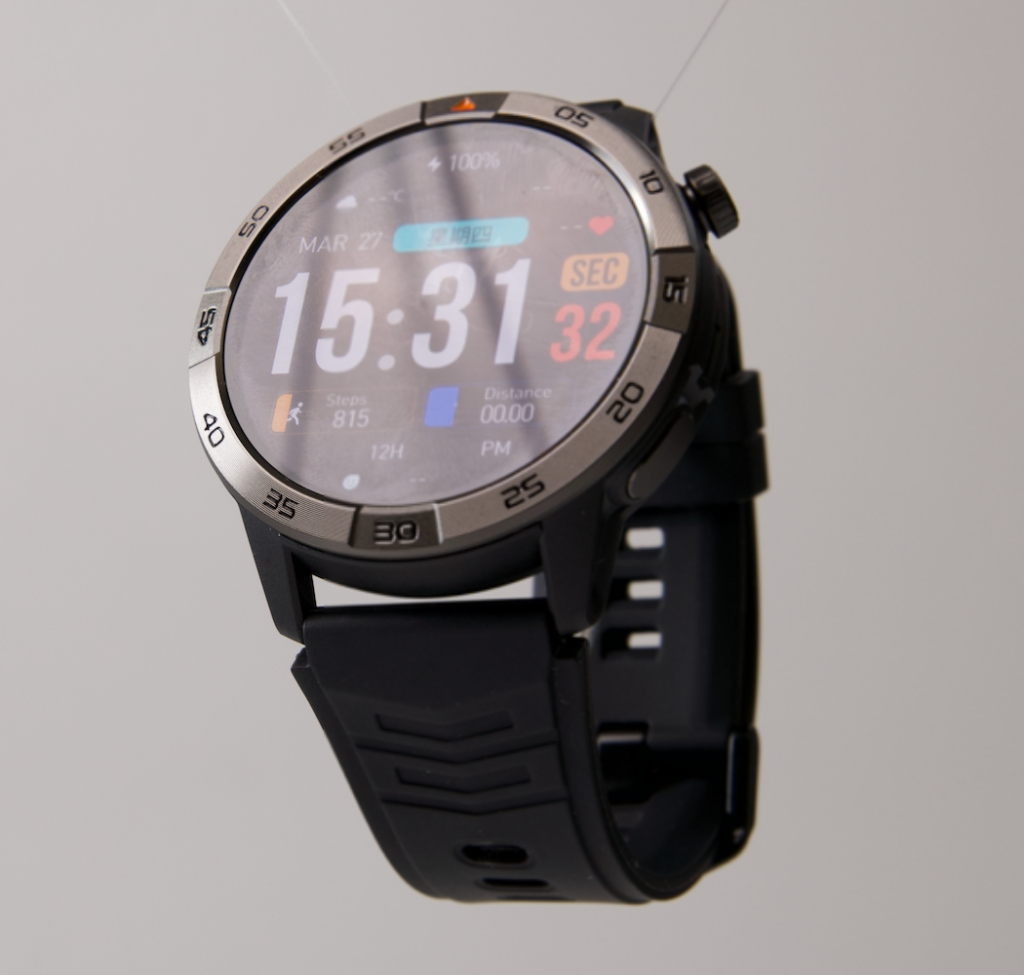
Reconstruct the Bakersfield January-to-December Path
January begins with the watch price, delivery, and any required setup accessory. During spring, the strap and charger lines stay at zero unless an actual replacement occurs. Summer brings an app-statement review to catch a trial conversion or recurring service. Fall records any repair, return, or downtime supported by documentation.
December completes the calculation. One outcome may show twelve useful months and almost no added expense. Another may show fewer service months, a replacement charger, paid app charges, and an early repair.
The January price can be identical in both teaching scenarios. The low cost smartwatch verdict changes because the December total and useful-service months are different.
Maintenance burden also matters when the buyer evaluates those entries. The clerk can compare the first-year receipt with the maintenance burden the buyer can tolerate.
Avoid Sticker-Price Tunnel
Sticker-Price Tunnel occurs when the buyer keeps referring to the January amount after later expenses have changed the ownership total.
The correction is simple:
- update the receipt whenever money moves;
- record refunds as well as charges;
- keep zero-value lines visible;
- separate exposure from actual spending;
- and calculate cost per useful month in December.
The original price was not necessarily false. It was incomplete as a measure of ownership. This keeps the low cost smartwatch test tied to documented spending rather than marketing.
Issue the First-Year Ownership-Cost Verdict
Truly Low First-Year Cost
Added expenses remain limited, useful service covers nearly or fully the intended year, and the documented monthly cost stays favorable against qualified alternatives.
Low Entry, Moderate Ownership
The purchase price was inexpensive, but accessories, services, or fewer useful months raised the effective cost noticeably.
Hidden-Cost Watch
Several later charges materially changed the original low-price impression.
Low-Cost Claim Fails
Return losses, repair, replacement, or short useful service make the watch difficult to defend as low cost for this buyer.
No universal dollar threshold applies. The verdict must use documented totals, months of useful service, and comparable qualified options. A low cost smartwatch should win because its full first-year record supports the claim, not because the first receipt looked attractive.
Questions U.S. Buyers Ask About First-Year Smartwatch Cost
Do accessories belong in first-year cost?
Required accessories and actual replacements do. Optional cosmetic purchases should be disclosed separately.
Should a paid app be counted?
Yes, when money was paid during the first year. Label it required, optional, accidentally renewed, canceled, or refunded.
How do I count a replacement charger?
Add the documented purchase and delivery cost. Record downtime when it reduces useful service.
Does return shipping count?
Count the portion that was not refunded or reimbursed.
Should repair costs be included?
Yes, when a repair or diagnostic charge was actually paid before month twelve.
Is an early replacement allowance an actual cost?
No. Keep an unpaid allowance separate as conditional exposure.
What counts as a useful-service month?
A month in which the watch successfully completed the defined wrist role.
What if every later expense line is zero?
Keep the zeroes. They demonstrate that the low purchase price remained low.
December Decides Whether the Low Cost Survived
The January side still shows an attractive purchase amount. December now carries the actual first-year total, the months of useful service, the cost per useful month, and a separate box for conditional exposure.
That original number was not automatically misleading; it simply described entry rather than ownership. Twelve months of records complete the claim.
A low cost smartwatch earns that description after year one only when documented spending remains low and the watch delivers enough useful service to justify the money paid. The complete receipt—not the first product card—decides whether the low cost survived.
Place the available offer on the January side of your worksheet and start a first-year receipt for this exact watch before assuming its checkout price will remain the final cost.