
APPROVED was written across the break-room test sheet after one clean glance and one bare-finger tap. Under soft lighting, normal room temperature, and quiet conditions, the watch seemed ready for the job.
That approval lasted until an insulated glove met the same control beside a cold-storage door. The purchase mistake was not choosing too few features. It was deciding that a smartwatch for people in warehouse jobs had passed before the warehouse itself had tested it.
Warehouse readiness should be judged through one complete wrist action under the changing pressure of receiving, cold storage, and packing. The action must be noticed, read, controlled, and closed in every required zone. A break-room result proves only that the watch worked in the break room.
The Three-Zone Wearability Check keeps one inventory cue fixed while noise, visibility, gloves, movement, and workplace rules change around it. The first point where the action breaks becomes the real buying evidence.
Freeze One Inventory Cue Before Entering the Fresno Floor
Do not begin with screen size, calling support, battery days, or a list of warehouse features. Begin with one small task that the Fresno inventory controller genuinely wants to complete from the wrist.
Use a short illustrative cue:
Move the counted pallet to location C-14.
The wording may change in a real workplace, but the action must stay narrow. The user needs to notice the cue, read the location, acknowledge it once, and return attention to the warehouse task.
Give the wrist action a visible finish
Completion requires four elements:
- The cue reaches the wearer’s attention.
- The required location is understandable.
- One deliberate input acknowledges the cue.
- No phone, terminal, correction, or second attempt remains.
A notification that merely appears has not completed the action. Neither has a preview that sends the worker to a phone or approved handheld device for the same narrow task.
Do not turn the watch into a warehouse system replacement
The test should not ask the watch to open detailed inventory records, scan products, enter long item codes, replace an approved handheld scanner, or display sensitive operational data.
Those tasks require more context and control than this page intends to evaluate. One small cue reveals environmental friction without drifting into a broad technology comparison.
Verify the real notification path
The cue may depend on a paired smartphone, Bluetooth, notification permissions, an approved reminder, or a compatible work application. Employer policy may also determine whether the connection is allowed.
Do not assume that every inventory platform sends useful information to every watch. The test concerns the action after an approved cue reaches the wrist.
Readers exploring the broader category can separate general warehouse convenience from one cross-zone wrist action. This page keeps the scope deliberately narrow.
Draw the Three-Zone Cross-Section of a U.S. Warehouse
Place receiving, cold storage, and packing side by side on one floor map. The article does not follow the worker through them in sequence. All three remain visible while the same environmental pressure crosses the map.
Receiving adds motion, sound, and changing light
A receiving area may include dock activity, conversations, carts, pallets, open doors, vehicle movement, and quick changes between indoor and outdoor light.
Hands may also be occupied for long stretches. Even a clear notification can arrive at a moment when wrist interaction is inappropriate.
Cold storage adds gloves and temperature transitions
Insulated gloves can reduce finger precision. Sleeves and cuffs may change how the watch contacts the wrist, while transitions between warmer and colder areas can alter reflections or introduce moisture depending on the setting.
No universal cold-temperature claim should be made. The buyer needs to observe the exact watch under representative, employer-approved conditions.
Packing adds repetition and precision demands
A packing station can appear calmer than receiving, yet the hands may be continuously occupied with boxes, labels, tape, wrapping, or product handling.
Bright task lighting may also expose glare that soft break-room lighting never revealed.
Warehouse policy sits above the whole map
Technical capability cannot override American workplace rules. A U.S. distribution facility may restrict watches because of safety, hygiene, jewelry, data security, food handling, medical-product handling, or equipment requirements.
If the watch is prohibited in one zone, that area receives a policy block. The result is still relevant even when the device itself has no defect.
Apply the Noticeability Band Across All Three Zones
The first pressure band asks whether the cue reaches the wearer’s attention under ordinary working conditions.
Receiving can bury a weak alert
Dock noise, equipment, conversation, and movement can compete with a vibration or sound. No single vibration setting can be assumed noticeable for every American worker or warehouse environment.
The actual watch should be tested with the clothing and alert settings allowed in that area.
Cold-weather clothing can change wrist contact
A jacket cuff or protective sleeve may sit between the watch and the skin. Insulated clothing can also shift the device from its normal position.
An alert that feels obvious in the break room may become less distinct when the watch is covered or loosely positioned.
Packing can hide alerts through concentration
High noise is not the only noticeability problem. Repetitive visual work can hold attention so strongly that a brief vibration is missed.
The cue should be noticed through its normal approved alert pattern. Repeated vibration does not automatically turn a weak first alert into a successful result.
One noticed cue is not a missed-call diagnosis
A workplace missed-call problem may involve phone receipt, connection, alert delivery, vibration, caller identity, and response timing. That is a wider chain.
Use the separate diagnostic page to treat a broken workplace alert path as a separate diagnosis. The Three-Zone Wearability Check isolates environmental pressure on one warehouse action.
Apply the Visibility Band to Cold, Glare, and Movement
Once the cue has been noticed, the required location must remain readable.
Read one fact, not the entire display
The inventory controller needs “C-14.” Weather, steps, heart rate, battery percentage, and other icons do not help complete this action.
The display receives a read fracture when the required detail is:
- Truncated
- Too small
- Hidden behind another screen
- Difficult to distinguish
- Dependent on scrolling
- Readable only after repeated wrist angles
Receiving light can change within seconds
Moving near an open dock door may produce a sharp transition between indoor and outdoor brightness. A display that looked clear under one condition may require a different angle under another.
The useful question is not whether the watch has a bright screen in a specification table. It is whether the required cue remains clear in the actual receiving environment.
Cold-storage transitions require observation
Reflections, moisture, and screen visibility may change when the worker moves between temperature zones. The effect will depend on the device, clothing, environment, and transition conditions.
Record what happens without assuming that every watch will fog, dim, or fail.
Packing glare can expose a false approval
Direct task lighting may reflect from the display differently than break-room lighting. If the worker needs a second angle or repeated look, record that as friction.
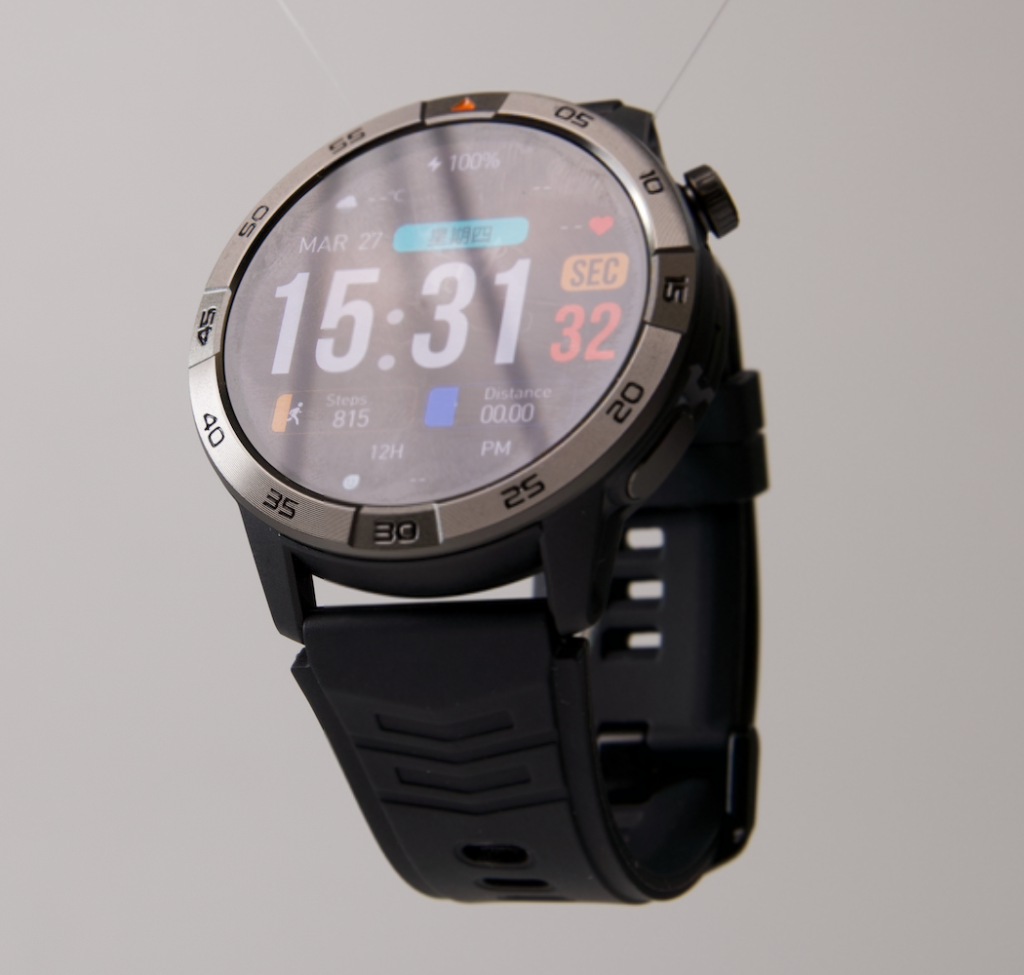
The cue may still be readable, but it has not passed cleanly.
Apply the Glove-Control Band Across the Fresno Map
The cue is visible. Now the inventory controller must acknowledge it with one deliberate input.
Use the gloves actually required in each zone
Representative hand conditions may include:
- Bare hands where permitted
- Light handling gloves
- Insulated cold-storage gloves
- Dusty or damp glove surfaces
- Touchscreen-compatible fingertips
Do not assume that a glove labeled “touchscreen compatible” will behave identically with every watch or every on-screen control.
One tap must remain one tap
The control receives a fracture when the user must:
- Tap repeatedly
- Remove a required glove
- Search for a larger target
- Correct an accidental swipe
- Hold the wrist at an awkward angle
- Transfer the acknowledgment to the phone
Repeated attempts convert a shortcut into a wrist workflow.
Physical controls may change the path
A button or crown may be easier than a small touchscreen target under some glove conditions. That does not make physical controls universally better.
The buyer should compare the exact action path. A crown that only scrolls may not close the cue, while a button may perform a different function than expected.
Required glove removal is a failed zone result
If insulated gloves must come off solely to acknowledge the inventory cue, the action has not survived cold storage.
The watch may still provide awareness, but it has not completed the reserved task under the required work condition.
Battery reserve cannot repair control failure
A full battery does not make a small control easier to use through an insulated glove. Warehouse endurance belongs to another branch.
Readers comparing that issue can keep warehouse battery endurance outside the glove-control decision.
Keep the Same Action Inside American Workplace Rules
The final pressure band asks whether interaction is appropriate at the moment the cue appears.
Occupied hands mean the action waits
The inventory controller should not interact with the watch while:
- Moving a cart
- Handling a pallet
- Carrying boxes
- Operating equipment
- Opening a cold-storage door
- Applying tape or labels
- Working near moving machinery
A technically usable control still fails the moment when attention belongs elsewhere.
A stationary pause can preserve usefulness
The cue may remain valuable when it can wait for the next appropriate stationary point. That does not mean the watch must complete the action immediately.
More complicated wrist interactions should be moved to a suitable pause. The movement-continuity page can help users move complex wrist interaction to an appropriate stationary point.
U.S. warehouse rules override technical access
American warehouses differ in their policies for personal devices, wearable electronics, jewelry, product handling, food areas, medical goods, forklift zones, and data security.
The user must follow the applicable employer and facility rules. No product description can grant permission that the workplace withholds.
One watch can receive different permissions across the floor
A device might be allowed in receiving and restricted near a particular packing process. Cold storage could impose another rule because of protective equipment or product handling.
That is an environment-fit result, not necessarily a hardware failure.
Mark the First Fracture Instead of Counting Features
Each zone receives one first-fracture marker. Once the required action breaks, unrelated features cannot repair it.
Notice fracture
The cue is not reliably detected under the normal alert pattern.
Read fracture
The required location cannot be understood without scrolling, repeated angles, or another device.
Control fracture
The acknowledgment cannot be completed with the hand condition required in that zone.
Closure fracture
The action opens another screen, requires correction, or sends the worker to a phone or terminal.
Policy block
The watch or interaction is not allowed under the applicable workplace rule.
Stop evaluating after the first break
Fitness tracking does not repair an unreadable cue. Calling support does not solve a glove-control fracture. Long battery life cannot override a policy block.
Record the environmental cause precisely:
Control fracture in cold storage because the acknowledgment could not be completed with the required insulated gloves.
A narrow statement creates a better buying requirement than saying the watch is “bad for warehouses.”
Allow a zone-specific redesign
A failed action may be redesigned by enlarging the displayed detail, changing the approved notification format, using a physical control where supported, moving the acknowledgment to a stationary point, or assigning that zone’s task to an approved handheld device.
The revised path must then be tested again from Notice through Closure.
Issue the Three-Zone Wearability Verdict
All-Zone Completion
The inventory cue is noticed, read, controlled, and closed in receiving, cold storage, and packing without glove removal, repeated correction, phone recovery, or policy conflict.
Verdict: The tested action is warehouse-ready across all three zones.
One-Zone Exception
The action succeeds in two areas but encounters one clearly identified fracture in the third.
Verdict: The watch has a defined environmental limit and needs a zone-specific fallback.
Readable but Not Closable
The cue can be noticed and understood, but gloves, controls, occupied hands, or another workplace condition prevent completion.
Verdict: The watch may provide awareness but cannot replace the next approved device step.
Break-Room False Positive
The action worked under comfortable indoor conditions but fails or becomes inappropriate across multiple warehouse zones.
Verdict: Break-room approval should be withdrawn.
Do not average the zones
Two successful zones cannot erase a failure in an area where the action must routinely occur.
The verdict follows the job requirement, not the average number of passes.
Turn the Fresno Floor Map Into a U.S. Buying Rule
The watch must let the user notice, read, and acknowledge one short inventory cue across receiving, cold storage, and packing under the gloves, lighting, movement, and workplace rules of the actual job.
Compare candidates with the same American warehouse action
Keep these conditions consistent:
- The same short cue
- The same paired smartphone
- The same approved application or reminder source
- The same gloves
- The same three zones
- The same completion rule
- The same safety and policy restrictions
Changing the task between watches weakens the comparison.
Verify exact-model behavior
U.S. consumers should inspect:
- Notification detail
- Screen layout
- Brightness behavior
- Touch controls
- Physical buttons or crown behavior
- Glove response
- Vibration settings
- Phone and application dependencies
- Manufacturer-provided operating guidance
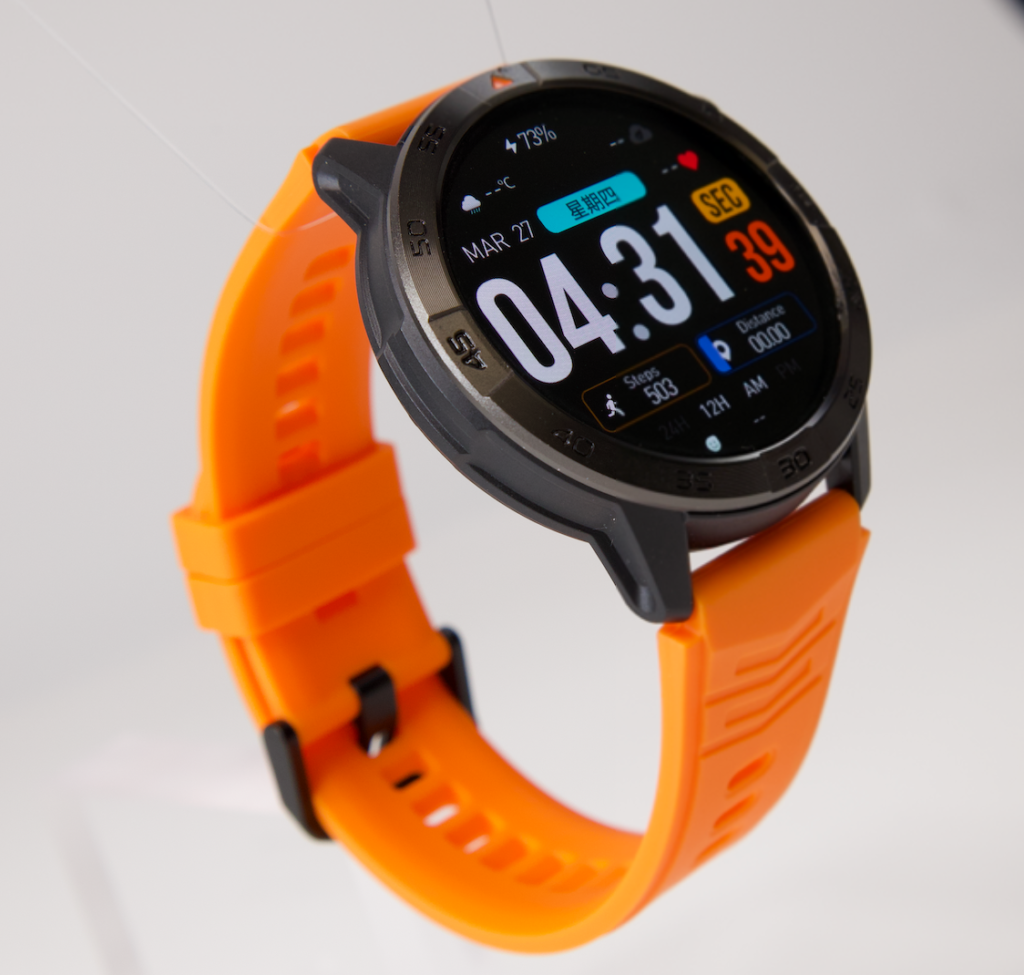
Do not infer glove compatibility or environmental tolerance from a product render.
Use current U.S. seller conditions carefully
A return window may provide time for an off-duty or employer-approved simulation. Opened-product rules, exclusions, fees, and workplace access conditions can vary.
Confirm current seller terms before purchase, and never conduct a test that conflicts with employer policy or operational safety.
Questions From U.S. Warehouse Workers About Zone Wearability
Does the watch pass if the cue can be read but not acknowledged?
No. The reserved action includes notice, reading, control, and closure. A readable cue without usable acknowledgment receives the Readable but Not Closable verdict.
Should every glove type be tested?
Test the gloves genuinely required in the worker’s zones. Adding unrelated glove types creates noise, while omitting insulated or handling gloves can hide the real barrier.
What if the display changes after entering cold storage?
Record the observed change and whether the required cue remains readable. Do not assume every watch will respond identically to temperature transitions.
Is this also a cold-weather battery test?
No. Battery behavior is a separate decision. The Three-Zone Wearability Check measures whether one complete action remains usable under changing warehouse conditions.
What if company policy prohibits the watch in one zone?
That area receives a policy block. The device may still be useful elsewhere, but it cannot be described as an all-zone fit for that job.
Why test only one action?
One narrow task reveals environmental barriers without becoming a generic feature checklist. Additional actions can be evaluated later on separate floor maps.
How does this differ from warehouse calling or long-battery content?
Calling pages evaluate communication, while long-battery pages evaluate endurance. This test asks whether one complete wrist action survives receiving, cold storage, and packing.
The Warehouse—not the Break Room—Issues the Final Approval
The original test sheet showed that the watch could display a cue and accept a bare-finger tap. It did not expose dock noise, cold-storage gloves, changing light, occupied hands, or packing-area rules.
Once the action entered the Fresno floor map, each pressure band revealed a different requirement. Noticeability brought the cue to attention. Visibility made the location understandable. Glove control allowed one deliberate acknowledgment. Workplace suitability determined whether interaction belonged there at all.
For a smartwatch for people in warehouse jobs, floor-wide approval should follow one complete action through every required zone. The first fracture matters more than the total number of features that still work elsewhere.
Choose one short warehouse cue, define what complete acknowledgment requires, and place that same action across receiving, cold storage, and packing. Before choosing a watch, compare its display and control path with your warehouse floor map and approve it only when the entire action survives all three zones.