
A handwritten route-change slip is already clipped to the dispatch board when the commercial-laundry dispatcher notices the missed-call icon. The pickup adjustment has changed the loading order, but the callback comes too late to prevent confusion.
A smartwatch for people who miss calls at work is useful only when an alert travels all the way from the phone to a safe response. A vibration on the wrist is not enough. The worker must notice it, recognize the caller, understand the urgency, and act at the right moment.
In this Birmingham, Alabama, laundry facility, the call reached the watch. The failure happened afterward.
The fastest way to solve that kind of missed-call problem is to work backward from the late response and find the last handoff that succeeded.
Begin With the Birmingham Work Decision That Arrived Too Late
Do not start by changing Bluetooth settings, increasing vibration, or reinstalling an app.
Begin with the work decision the call was supposed to change.
For the Birmingham dispatcher, the missed call concerns a late-afternoon pickup adjustment. A driver’s arrival time has shifted, which means the loading order must change before the next vehicle reaches the dock.
The dispatcher needs to establish five facts:
- When the call reached the phone
- When the watch displayed the alert
- When the route decision was needed
- When the missed call was finally noticed
- When the callback actually happened
This timeline separates a technical alert from an operational response.
A call may appear correctly on the watch and still be missed in practical terms. If the worker notices it ten minutes after the route decision was needed, the alert system did not support the job effectively.
Define what a successful response would have looked like
Success does not always mean answering immediately.
In this situation, a timely response could have been:
- Answering at the scheduling desk
- Rejecting the call and returning it at the next safe pause
- Recognizing the caller as a route-sensitive contact
- Adding a visible callback marker
- Asking the driver to wait for confirmation
- Calling back before the loading order was changed
The correct response depends on the workplace, the task, and facility rules.
What matters is whether the alert became a decision before the deadline passed.
Smartwatch for People Who Miss Calls at Work Starts With the Last Successful Handoff
The missed call should be reconstructed in reverse.
Start with the late callback, then move backward through each alert handoff:
- The callback occurred too late.
- No safe response point was used.
- The caller’s importance was not recognized.
- The wrist cue was noticed slowly or misunderstood.
- The incoming alert appeared on the watch.
- The phone and watch remained connected.
Stop at the last step that definitely worked.
Suppose the dispatcher confirms that the alert appeared and the vibration was felt. However, the screen showed an unfamiliar number, so the worker assumed the call could wait.
The last successful handoff was noticeability. The next handoff—caller identification—failed.
Increasing vibration would not repair that problem.
Why reverse reconstruction prevents random fixes
Workers often react to a missed call by changing several settings at once:
- Stronger vibration
- Louder sound
- Longer screen timeout
- Different notification permissions
- New contact labels
- Revised quiet-mode settings
Making several changes creates uncertainty. Even if the next call succeeds, the worker will not know which change solved the problem.
Reverse reconstruction narrows the response.
Find the first failed handoff, change one relevant element, and repeat the same work condition during an approved test.
Separate Alert Delivery From Alert Interpretation
A delivered call can fail in three different ways.
Understanding the difference keeps the troubleshooting process focused.
Not delivered
The phone receives the call, but the watch does not show an alert.
This points toward a connection, permission, companion-app, software, or phone-notification issue.
The current article does not focus on that pathway because the Birmingham dispatcher’s alert did reach the watch.
Readers facing charging-related gaps can separate charging gaps from on-shift response failures.
Delivered but not interpreted
The watch vibrates or displays the call, yet the worker does not understand its importance.
Possible reasons include:
- The caller name is missing
- Only an unfamiliar number appears
- Several contacts have similar labels
- The display disappears before the worker can read it
- The caller’s role is unclear
- The worker cannot distinguish an urgent route call from a routine call
This is an interpretation failure.
A stronger vibration may make the alert more noticeable, but it will not make the caller more recognizable.
Interpreted but not acted on
The dispatcher recognizes the caller and understands that the call may affect the pickup schedule. Still, no safe response plan is created.
The worker thinks, “I’ll call back when I get to the desk,” then becomes involved in another loading question and forgets.
In that case, the watch succeeded as an alert device. The failure occurred between recognition and action.
Rebuild Caller Recognition at a U.S. Dispatch Desk
Busy professionals in the United States often need to identify a work caller with one quick glance.
The Birmingham dispatcher should not have to stop in a walkway, study a long number, and guess whether the call is connected to a route change.
Clear contact naming reduces that uncertainty.
Make essential work contacts recognizable
Route-sensitive contacts should appear in a form the dispatcher can understand immediately.
Useful naming patterns might include:
- Driver name plus route
- Customer location plus account label
- Fleet supervisor
- Scheduling office
- Loading contact
- Pickup coordinator
A label such as “Mike R12” may be more useful than a generic first name when several people share similar contact names.
The purpose is not to create a complicated contact system. It is to help the worker recognize the call before the alert disappears.
Test what the watch actually displays
During a controlled practice call, observe:
- Whether the contact name appears
- Whether only the number appears
- How long the call screen stays visible
- Whether the text can be read at normal wrist distance
- Whether the worker can recognize the caller while moving
- Whether gloves, sleeves, or lighting affect visibility
Different watches and phones may display caller information differently. The worker should verify actual behavior instead of assuming every incoming-call screen works the same way.
Priority does not mean unlimited interruption
The goal is not to allow every contact to interrupt the shift.
A small group of route-sensitive callers may deserve faster recognition because their calls can change loading order, pickup timing, or driver movement.
Routine calls can still wait for normal review.
This preserves attention without turning the watch into a constant source of workplace interruption.
Locate the First Safe Response Point in the Birmingham Shift
A noticed call should not be answered automatically.
Inside a commercial-laundry facility, the dispatcher moves between a quiet scheduling desk, marked walkways, loading areas, and office access points. Each location creates a different response option.
The safest choice may be to answer, reject, or delay the call depending on the task underway.
Distinguish a safe pause from an immediate answer
A safe response could involve:
- Answering at the scheduling desk
- Rejecting the call and returning it from the office doorway
- Pausing at a marked stationary point
- Waiting until the current loading instruction is complete
- Returning the call after leaving an active equipment area
The worker should follow facility rules and avoid interacting with the watch during any task that requires full attention.
Answering quickly is not useful when it creates a safety risk.
Give each recognized alert one response category
The dispatcher can use three simple choices:
Answer here: The worker is stationary, the location is appropriate, and the call can be handled safely.
Return at the next safe point: The caller is important, but the current location or task does not allow an immediate conversation.
Send to later review: The call is not connected to an urgent route or loading decision.
This is not a general call-management framework for every job. It exists to prevent a delivered work alert from disappearing between recognition and response.
Give Deferred Work Calls a Return Trigger
“I’ll call later” is not a dependable action.
Without a specific trigger, the dispatcher may move to another task and forget the missed call until the route change has already affected the shift.
A return trigger connects the deferred call to an event that will definitely occur.
Tie the callback to an existing work event
Useful triggers may include:
- Returning to the scheduling desk
- Completing the current loading instruction
- Reaching the next marked pause point
- Updating the route board
- Reviewing the dispatch queue
- Seeing a written callback marker
The trigger should fit the worker’s existing routine.
Creating an entirely separate productivity system may add more complexity than it solves.
Make the promise specific
A clear callback plan is easier to follow than a vague intention.
Instead of thinking, “I’ll call when I have time,” the dispatcher can use a more precise rule:
- Return the call when the current loading instruction is complete.
- Review the missed alert before updating the route board.
- Call from the scheduling desk before the next driver arrival.
- Add a visible callback mark beside the route change.
Specificity protects the call from being lost inside the rest of the shift.
Repair Only the First Failed Alert Handoff
Once the failed step is known, make one targeted correction.
The repair should match the evidence.
When the alert was not noticed
Possible adjustments include:
- Testing a permitted vibration level
- Confirming whether sound is allowed
- Wearing the watch securely
- Checking whether clothing muffles the cue
- Repeating the test during similar movement
Do not assume stronger vibration is always better. Excessive alerts can become distracting, and workplace policies may limit sound or vibration settings.
When the alert was felt but the caller was unclear
The better correction may involve:
- Renaming the contact
- Confirming contact synchronization
- Checking the incoming-call display
- Improving screen readability where supported
- Testing the caller label at normal wrist distance
The connection already worked. The alert already arrived. The failed step was recognition.
When the caller was recognized but no response followed
The worker may need:
- A defined safe response point
- One callback trigger
- A temporary written marker
- A route-sensitive priority rule
- A clear “answer now or return later” decision
Connection troubleshooting will not repair a missing work routine.
When the alert genuinely arrived late
Technical troubleshooting becomes appropriate when the call reached the phone but the watch notification was absent, delayed, or inconsistent during a controlled repeat test.
Areas to examine may include:
- Connection stability
- Companion-app behavior
- Background permissions
- Software updates
- Phone notification settings
- Battery restrictions applied by the phone
Keep these checks separate from caller-recognition and response problems.
After the worker identifies the alert correctly, it may help to check the wrist controls available after a call is recognized.
Recreate One Missed-Call Condition Without Disrupting Work
A controlled practice call is more useful than guessing.
The dispatcher should repeat the original condition during an approved period, away from active machinery and time-sensitive loading activity.
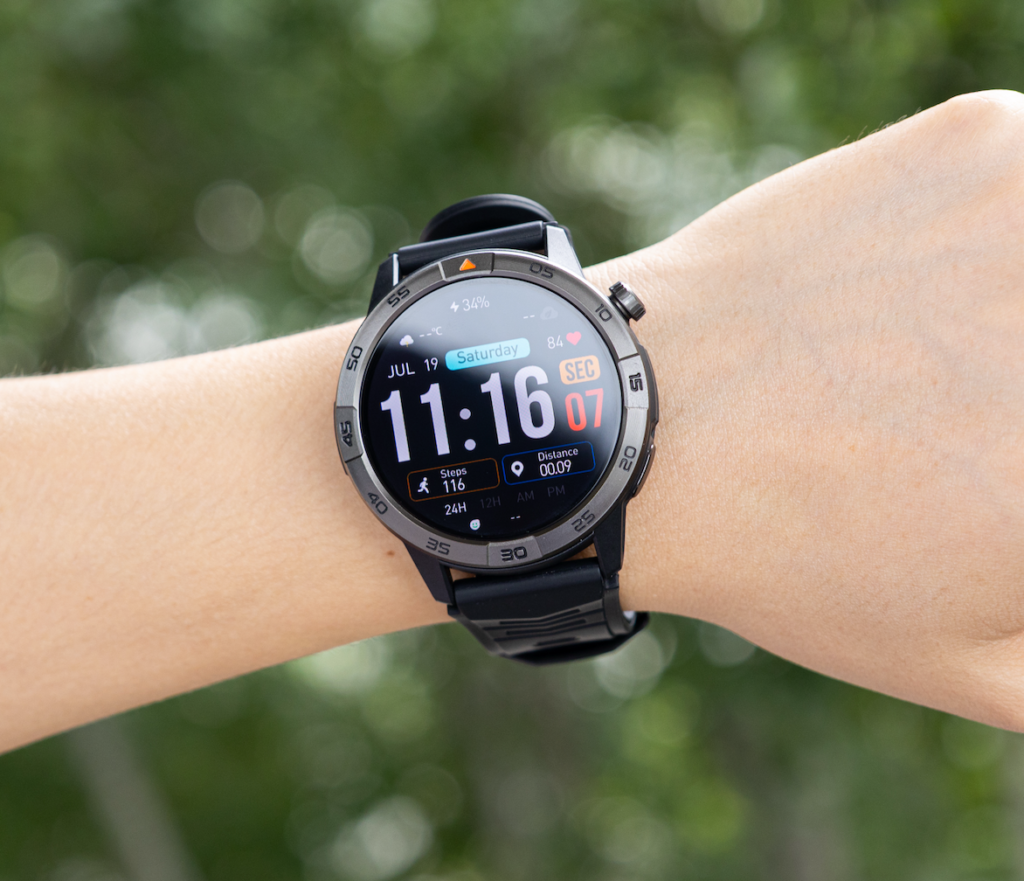
Reproduce the original transition
Use the same general:
- Walking direction
- Watch wrist
- Clothing
- Phone location
- Noise level
- Caller contact
- Work transition
The goal is to recreate the handoff that failed.
A test performed while sitting quietly at home may not reveal what happens during movement inside the facility.
Change only one element
Examples include:
- Keep vibration unchanged and improve the contact name.
- Leave the contact unchanged and add a callback trigger.
- Preserve the response routine and test noticeability.
- Keep all settings stable while changing phone placement.
- Use the same alert but test a clearer safe response point.
One controlled change makes the result easier to interpret.
Measure the work outcome, not just the ringtone
The test succeeds when the dispatcher can:
- Notice the alert
- Recognize the caller
- Understand the call’s priority
- Select a safe response
- Return the call within the needed window
- Prevent the route decision from becoming late
A ringing watch proves only that an alert arrived.
The work decision is the real result.
End the U.S. Shift With a One-Call Handoff Note
At the end of the shift, record one short note about the missed call.
Include:
- Call time
- Dispatcher location
- Task underway
- Whether the alert reached the watch
- Whether it was noticed
- Whether the caller was recognized
- First safe response opportunity
- Actual callback time
- Failed handoff
- One correction for the next shift
This is not a multi-day scorecard.
The note exists to preserve one lesson from one work event.
A completed entry might read:
Alert arrived at 4:12. Vibration noticed. Caller name unclear. Route priority not recognized. Contact label will be updated before the next shift.
That sentence points directly to the correction.
Questions Busy U.S. Professionals Ask After a Missed Wrist Alert
How can I tell whether the alert arrived late or I noticed it late?
Compare the call time on the phone with the watch behavior and the moment the worker first became aware of the alert. A controlled repeat test can show whether the watch delivers the alert promptly under similar conditions.
What should I record after one missed work call?
Record the time, location, task, alert delivery, noticeability, caller recognition, first safe response point, callback time, and first failed handoff.
Why might I feel the vibration but still miss an important call?
Feeling the vibration does not guarantee that the caller was identified or the urgency was understood. The failed step may be interpretation rather than noticeability.
What should happen when an alert arrives during an unsafe task?
Follow workplace rules, avoid answering during unsafe activity, and use the next approved response point or callback trigger.
How can I avoid forgetting a call that must be returned?
Connect the callback to a specific work event, such as returning to the scheduling desk, finishing the current loading instruction, or updating the route board.
When does the problem require connection troubleshooting?
Investigate the connection when the phone receives the call but the watch alert is absent, delayed, or inconsistent during a controlled repeat test.
Write the Failed Handoff in One Line
A useful shift verdict should be specific:
Alert arrived. Caller recognized. Safe response point missing.
That one line is more valuable than changing every setting at once.
A smartwatch for people who miss calls at work becomes more useful when the worker can identify exactly where a delivered alert stopped becoming a decision.
Recreate one missed-call condition during an approved practice period. Work backward from the late callback, repair only the first failed handoff, and repeat the same shift transition before relying on the new routine.
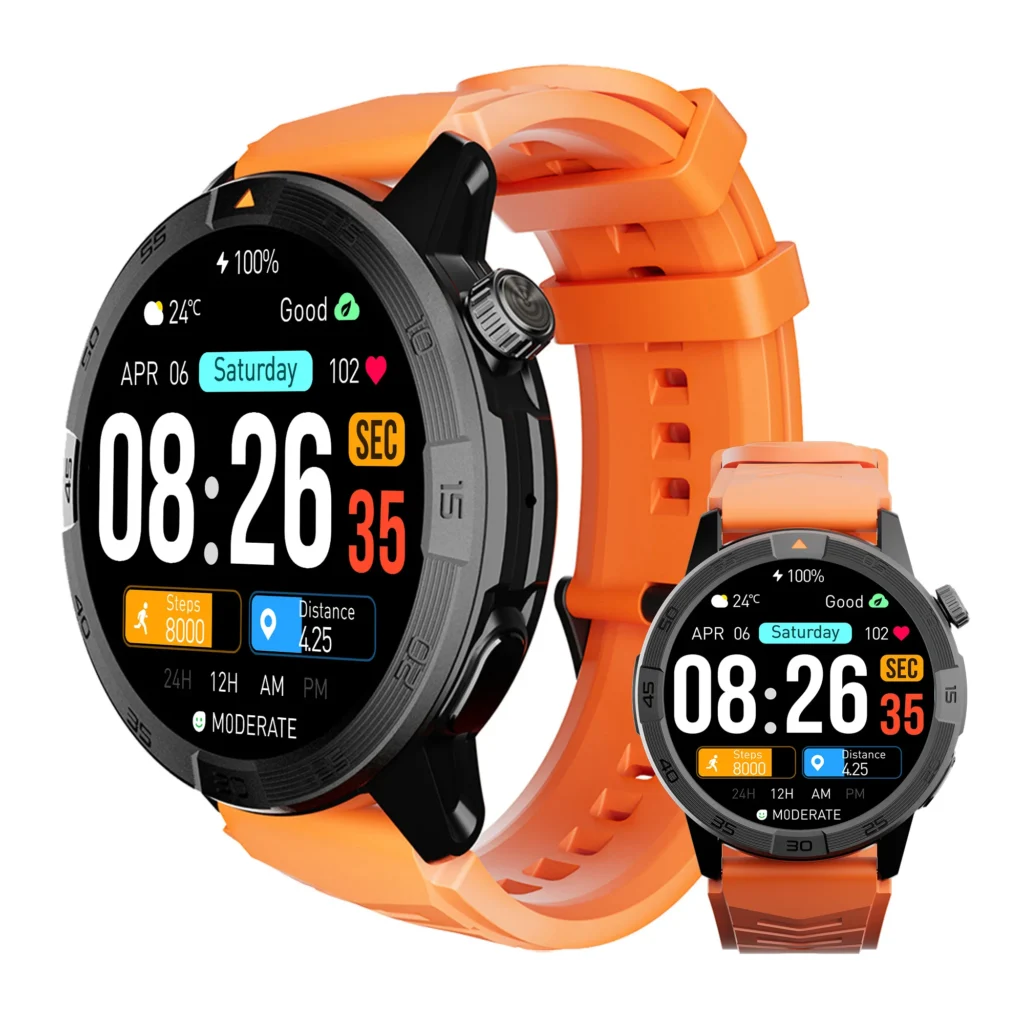
After defining that routine, review the watch’s workday call-alert features to decide whether its phone-assisted calling tools fit the way calls must be handled during the shift.