
At 6:20 a.m. in Anchorage, Alaska, a lodging-reservations systems supervisor checked the watch beside her phone.
The display still showed remaining charge. That looked like a successful long interval—until she inspected the Android route that should have operated overnight.
- Had “Reservation review needed” reached the wrist?
- Did the approved “Seen” acknowledgment return?
- Had “Night audit note reviewed” synchronized automatically?
- Did the connection recover without opening the companion app?
- Was the authoritative reservation record current?
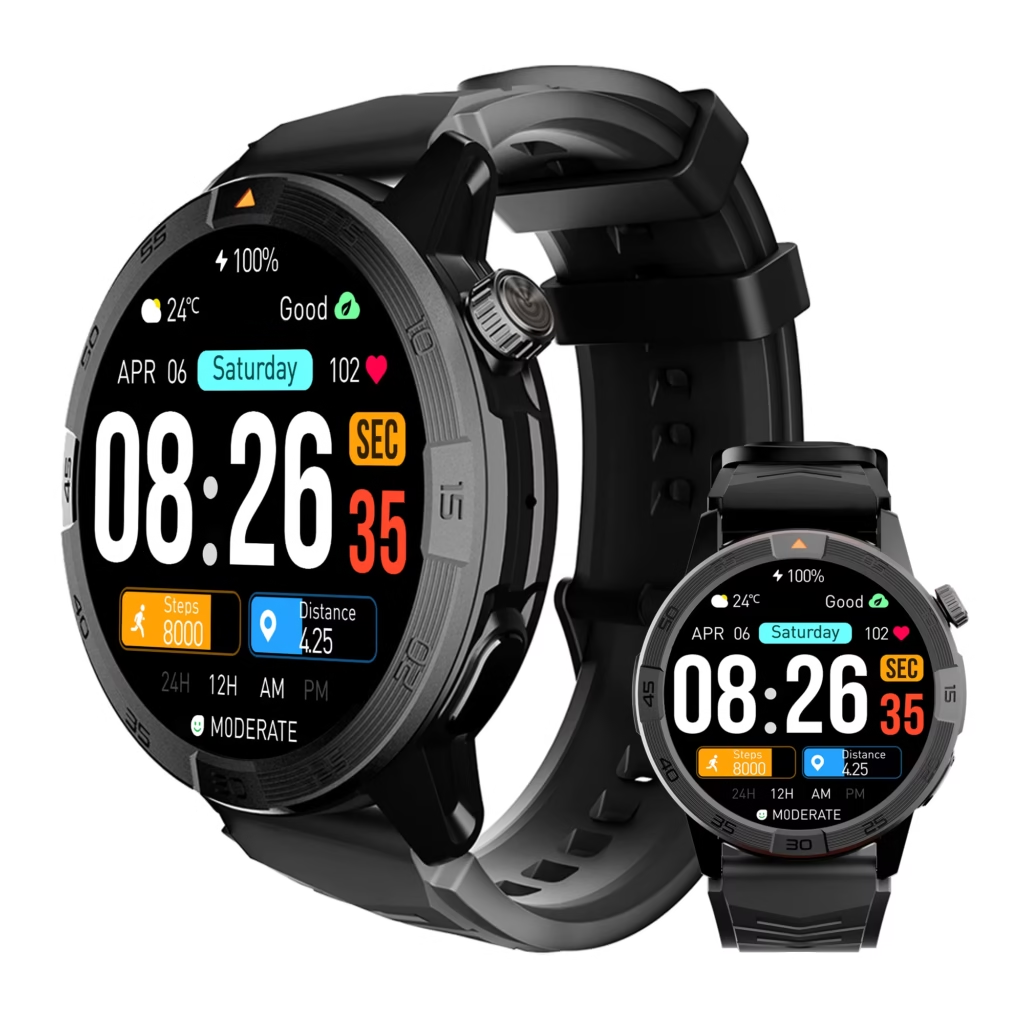
A long battery smartwatch for Android must preserve more than charge. Its required alerts must continue, or its approved deferred work must recover automatically, without repeated phone intervention.
The Background-Recovery Endurance Cycle measures that useful interval. Remaining watch power receives no credit after the Android route requires manual reopening, permission reconstruction, or an unresolved synchronization repair.
Define Useful Background Endurance
Charging endurance answers one question: how long does the watch remain powered?
Background endurance answers a harder one: how long does the complete watch-and-phone workflow remain useful?
For this buyer, the long battery smartwatch for Android had to satisfy four conditions:
- Urgent alerts arrived without opening the phone application.
- Approved wrist acknowledgments reached the correct destination.
- Deferrable tasks recovered within a written morning window.
- The watch stayed above a 15% closing reserve.
Credit ended when any required route failed. Buyers comparing several watches under an equal active workload should instead use the connected-service Android battery ranking. Article 368 follows one setup through repeated overnight cycles.
Certify the Anchorage Android Setup
An unstable starting environment would make every overnight result ambiguous. Before the first night, the supervisor recorded the exact phone, Android build, companion application, account, permissions, connection route, background state, and synchronization destination.
She used the exact Android environment certificate to confirm that the setup could already:
- Recognize the watch.
- Deliver a test alert.
- Display its full text.
- Return the approved wrist response.
- Synchronize a completed task.
- Recover after an ordinary daytime restart.
The cycle could not begin until every baseline result passed.
Record the Watch–Phone Route
Not every watch exchanges information through the same architecture. The supervisor documented whether each required result depended on Bluetooth, the paired phone, a companion application, a cloud account, Wi-Fi, a direct watch application, or another supported path.
The Android watch architecture map helped identify the route without assuming how it would behave overnight.
Architecture supplied context, not automatic credit. Morning evidence still had to show that alerts, acknowledgments, and task data reached their intended destinations.
Separate Urgent and Deferrable Lodging Work
Giving every function the same delivery deadline would create a misleading test.
The Anchorage supervisor divided the workload into two classes.
Urgent reservation alert
“Reservation review needed.”
This alert had to reach the wrist during the overnight interval. A morning delivery would arrive too late for the reserved purpose.
Deferrable night-audit task
“Night audit note reviewed.”
This item could remain pending during the deepest idle period, but it had to synchronize automatically after normal morning phone activity resumed.
The distinction prevented a delayed non-urgent update from receiving an unnecessary failure while protecting the alert that genuinely required timely delivery.
Set the Alaska Morning Recovery Window
The supervisor chose a ten-minute automatic-recovery window before seeing any results.
Timing began when the phone returned to ordinary morning use. Within that window, the pending task had to reach the authoritative record without:
- Opening the companion application.
- Re-pairing the watch.
- Reapproving permissions.
- Restarting either device.
- Changing background settings.
Ten minutes belonged to this lodging workflow. It was not treated as a universal Android requirement.
Freeze the Android Background State
Every night used one recorded phone configuration. The Overnight State Card included:
- Companion-app battery state.
- Unused-app status.
- Battery Saver status.
- Background data condition.
- Notification and connection permissions.
- Phone charging state.
- Watch connection route.
- Evidence date.
No setting could change unnoticed between a failed night and a passing night. The test also prohibited broad “unrestricted” changes across unrelated applications.
Normalize the Multi-Night Charging Interval
The watch began with a full approved charge, completed updates, and the same enabled functions. No charging occurred during an evidence run.
Each night followed the same schedule:
- Verify the complete pre-idle route.
- Send one urgent alert during the reserved overnight period.
- Queue one deferrable task.
- Allow normal phone idle behavior.
- Resume normal morning use.
- Measure automatic recovery.
- Check the watch reserve.
Unavoidable deviations entered the ledger instead of disappearing from the result.
Prove the Anchorage Baseline Before Bed
Before the first overnight interval, “Reservation review needed” arrived immediately. The watch displayed the complete phrase, and “Seen” reached the intended destination.
The supervisor then completed “Night audit note reviewed” from the wrist. Its state appeared correctly in the authoritative record.
Those results produced the Baseline Continuity Receipt. They proved that the route worked before the phone entered its overnight condition.
The essential Android wrist-action method supplied the acknowledgment and destination checks used throughout the cycle.
Let the Phone Enter Normal Overnight Idle
The companion application did not remain open on-screen. The supervisor avoided repeatedly waking the phone, generating artificial activity, or checking the connection throughout the night.
Normal phone and watch positions remained as consistent as practical. Testing did not require leaving sensitive reservation information visible or creating a real guest alert.
The long battery smartwatch for Android now had to prove that its route could survive the buyer’s ordinary idle period.
Require the Urgent Reservation Alert
During the first night, the privacy-safe alert entered the approved system.
It did not reach the wrist inside the urgent delivery rule.
The supervisor recorded the failure without declaring which Android subsystem, manufacturer behavior, or application component caused it. The evidence showed only that the required route had not delivered the alert under the documented state.
Because urgent delivery failed, useful endurance was already at risk. The morning recovery check would determine whether the route also required manual intervention.
Queue the Deferrable Night-Audit Item
The generic audit item remained pending overnight. That condition did not create an immediate failure because the task belonged to the deferrable class.
Its status entered the ledger before morning use resumed. No local watch check mark could prove completion; the authoritative reservation record controlled the result.
Measure Morning Recovery Without Opening the App
At 6:20 a.m., the watch still held substantial charge. The supervisor returned the phone to normal active use and started the ten-minute timer.
The delayed alert did not appear. The pending audit item also remained absent from the authoritative record.
After the window closed, opening the companion application restored both routes.
That sequence proved manual dependence. It did not prove how much battery the watch could have retained under a fully functional route.
End the First Interval at Manual Reopening
The Manual-Reopen Flag ended the useful interval immediately.
Remaining charge could not rescue the result because:
- The urgent alert had missed its deadline.
- The deferred task had missed the recovery window.
- Opening the application was required.
- The full route had not remained intervention-free.
Original-cycle result: Background-Endurance Rejected — Manual Reopening Required.
A deeper connection failure should receive the full Android reconnection recovery drill. Here, the intervention simply stopped the endurance cycle.
Make One Narrow App-Specific Correction
The supervisor inspected the exact companion-app condition recorded before the failure. One documented, approved app-specific setting differed from the route required for reliable background operation.
Only that condition changed.
No system-wide protection was removed, unrelated applications stayed untouched, and the test did not presume that every Android buyer should use the same adjustment.
Repeated corrections would have shifted the setup toward a support-burden problem. Buyers facing recurring fixes should apply the Android support-burden threshold.
Reset the Anchorage Evidence Cycle
The failed night contributed no endurance credit after the correction.
A new run required:
- The approved starting charge.
- A fresh baseline alert.
- A verified wrist acknowledgment.
- A successful task synchronization.
- The revised background state.
- A zeroed consecutive-night count.
This reset prevented the article from combining one failed configuration with later passing nights.
Require Three Consecutive Passing Nights
One successful morning could have resulted from a temporary condition. The supervisor therefore required three complete nights after the final configuration was set.
Across the repeated cycle:
- Urgent reservation alerts reached the wrist.
- Each “Seen” response returned correctly.
- Deferrable audit items synchronized automatically.
- Morning recovery finished inside the ten-minute window.
- No companion-app reopening occurred.
- The watch remained above the closing reserve.
Any intervention would have reset the consecutive-night count again.
Verify Every Post-Idle Destination
Morning review covered more than visible notifications. The supervisor inspected:
- The alert source.
- The returned acknowledgment.
- The audit task’s authoritative state.
- Duplicate or stale records.
- Pending synchronization indicators.
- Companion-app recognition.
All three corrected nights reached destination parity without manual recovery.
Apply the Minimum Reserve
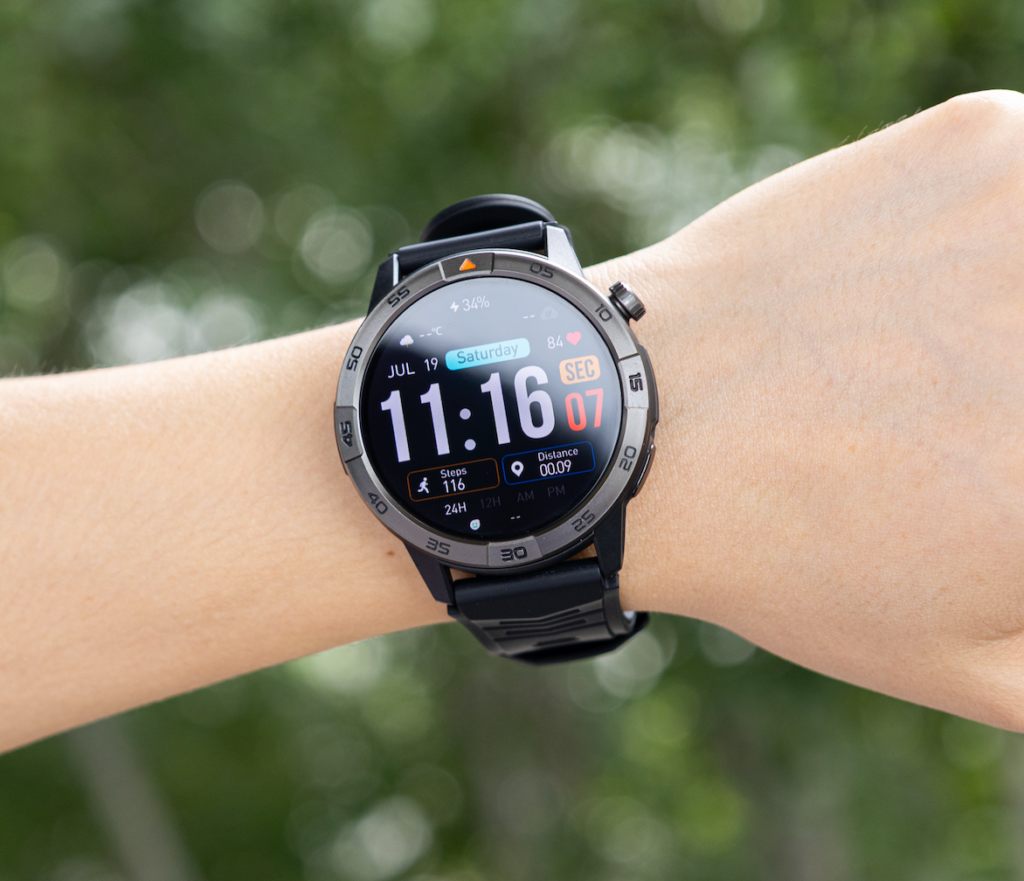
The 15% line protected the buyer from describing a nearly exhausted watch as a complete long-interval fit.
After the third successful night, the watch remained above that reserve. The evidence proved continuity through the reserved cycle, but it did not establish a universal number of battery days.
Actual overnight charge loss belongs in a separate overnight battery-drain investigation. Route continuity and charge consumption require different evidence.
Close the Background-Recovery Ledger
| Cycle | Urgent alert | Deferred sync | App reopened | Morning recovery | Result |
|---|---|---|---|---|---|
| Original night | Delayed | Pending | Yes | After intervention | Failed |
| Corrected night 1 | Pass | Automatic | No | Inside window | Pass |
| Corrected night 2 | Pass | Automatic | No | Inside window | Pass |
| Corrected night 3 | Pass | Automatic | No | Inside window | Pass |
These anonymous results explain the mechanism. They are not public product specifications or a promise about every Android phone.
Correct Twelve Background-Endurance Mistakes
Morning Charge Equals a Pass
Correction: Inspect alerts, acknowledgments, and synchronized destinations.
Every Delayed Update Is a Failure
Correction: Separate urgent delivery from approved deferred recovery.
Urgent Alerts May Always Arrive Later
Correction: Give time-sensitive functions a hard rule.
Opening the App Counts as Recovery
Correction: Apply the Manual-Reopen Flag.
One Passing Night Proves Stability
Correction: Require consecutive cycles after the final configuration.
Every App Needs Unrestricted Background Access
Correction: Change only the documented app-specific condition.
A Power Feature Automatically Caused the Failure
Correction: Record observations without unsupported diagnosis.
Battery Saver May Change Between Nights
Correction: Freeze and document its state.
Remaining Watch Charge Offsets Missing Sync
Correction: End useful endurance at route failure.
A Watch-Side Check Mark Proves Completion
Correction: Verify the authoritative destination.
The Failed Night Counts After a Correction
Correction: Restart the evidence cycle from zero.
Every Buyer Needs the Same Recovery Window
Correction: Define the acceptable delay from the actual workflow.
Protect Anchorage Reservation Data
Generic phrases replaced guest names, confirmation numbers, room assignments, payment information, travel dates, credentials, internal links, employee schedules, and real reservation details.
Operational records stayed inside approved systems. Screenshots containing account or property information were excluded from public documentation.
Keep Every Alaska Check Stationary
Morning verification occurred while the supervisor was seated. No watch interaction took place while driving between lodging properties, assisting guests, carrying luggage, moving equipment, or handling an active safety incident.
Questions U.S. Buyers Ask About Overnight Continuity
Can a watch retain charge while its companion route stops?
Yes. That is why the test verifies function and destination state separately from the battery display.
Must every overnight update arrive immediately?
No. Define which items are urgent and which may recover automatically inside an approved window.
Does opening the companion app invalidate the result?
Yes, when intervention-free background continuity is required.
Should battery optimization always be disabled?
No. Inspect the exact app state and make only a justified, narrowly documented change.
Why require several passing nights?
Consecutive cycles provide stronger evidence that the corrected route remains stable.
Does automatic delayed synchronization count?
It can count when the item is deferrable and reaches the correct destination inside the written recovery window.
Is this the same as rapid battery drain?
No. Use the rapid battery-loss diagnostic when charge disappears unexpectedly.
Where should broader battery faults be investigated?
The smartwatch battery-problem guide separates charging, drain, endurance, and configuration issues.
Can I reduce drain without removing required functions?
Use function-preserving battery-saving steps and repeat the complete cycle afterward.
Does a three-night pass prove long-term battery quality?
No. Review battery behavior across a longer ownership period separately.
Issue the Background-Endurance Verdict
The mechanism supports four outcomes:
- Background-Endurance Fit: Every cycle passes without a special correction.
- Conditional Background-Endurance Fit: A narrow documented condition produces consecutive passing cycles.
- Background Cycle Incomplete: Required nights or destination checks remain unverified.
- Background-Endurance Rejected: Alerts, recovery, synchronization, or intervention limits fail.
The Anchorage verdict is:
Conditional Background-Endurance Fit — Three-Night Cycle Passed After One Documented App-Specific Correction
The original night failed despite remaining watch charge. After one narrow correction and a complete reset, three consecutive cycles preserved urgent alerts, automatic recovery, destination parity, and the minimum reserve.
Before adopting the setup, the buyer should also decide whether the final condition supports a practical low-maintenance ownership routine.
Long Battery Must Include Morning Recovery
The 6:20 a.m. battery display told only half the Anchorage story.
During the original cycle, the watch retained power while the urgent alert and deferred task remained trapped until the companion application opened. Useful endurance ended there.
The corrected configuration produced a different result: three consecutive nights, automatic recovery, no manual reopening, verified destination state, and charge above the closing reserve.
This finding applies to one lodging-reservations supervisor, one Android phone, one anonymous watch, one companion route, one urgent alert, one deferrable task, one recovery window, one approved background condition, and one evidence period.
A long battery smartwatch for Android is useful only while its required route remains alive—or recovers automatically—without repeated phone intervention.
To evaluate a possible option, place this candidate smartwatch through the same Background-Recovery Endurance Cycle. Independently verify the Android baseline, urgent-delivery rule, deferred-sync window, background state, manual-reopen stop, corrected repeat run, authoritative destinations, and closing reserve before approving its long-battery fit.