
At 7:40 a.m. in Minneapolis, five visually similar watches show the same time beside an interior-design project coordinator’s phone. At 7:41, “Sample board review” enters the project application. The first candidate opens the task card and offers a Reviewed control; another centers fitness data; a third gives only a restrained alert; the fourth favors calls and messages; the fifth mirrors the task name but cannot complete it. For U.S. shoppers comparing the types of smart watches for women, those different routes matter more than five similar product photos.
Buying the wrong type creates an expensive mismatch before color, case size, or optional features enter the decision. A watch may look capable, receive notifications, and pair with a phone while still lacking the application action the buyer needs.
The Minneapolis coordinator therefore starts with the required work result rather than a product category. Only the full-smartwatch type advances because “Sample board review” must open on the wrist, accept a Reviewed action, and update the authoritative project record.
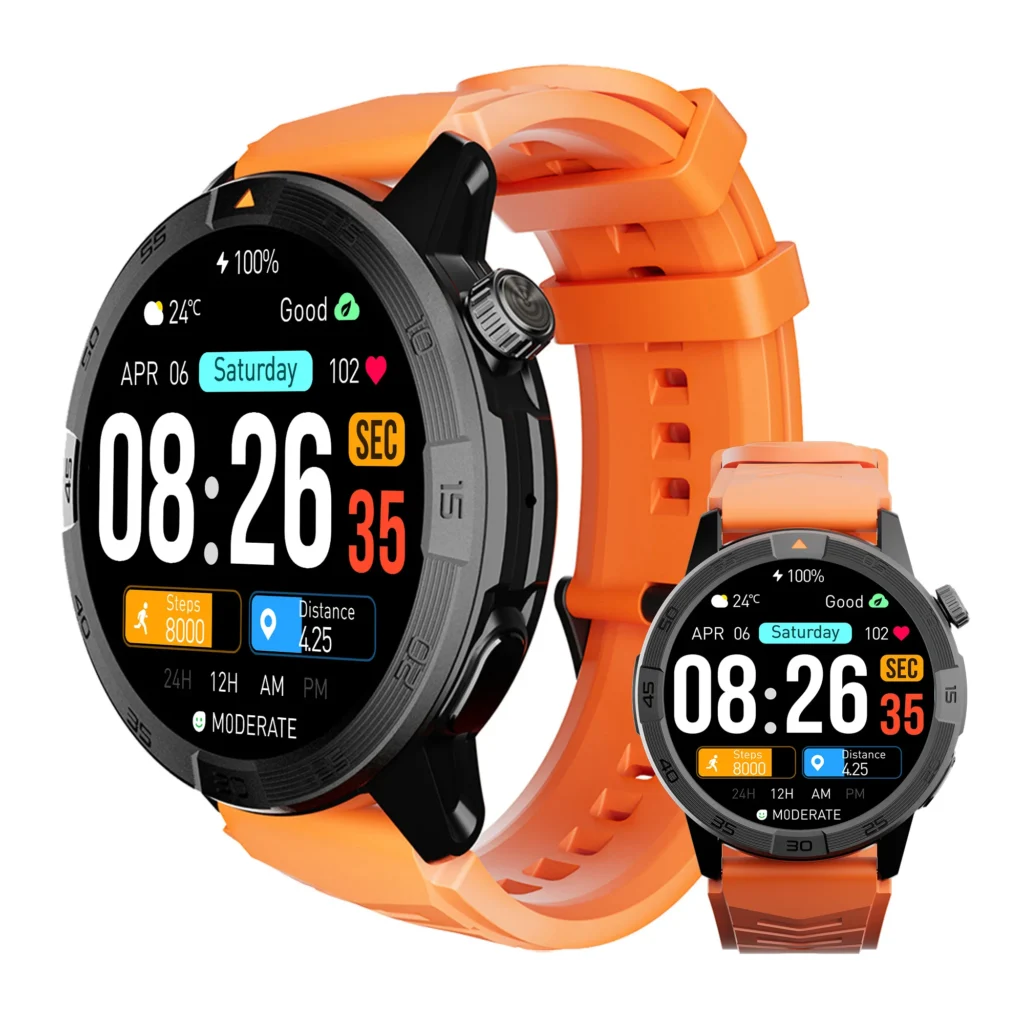
Which Type Should U.S. Buyers Choose Before Checkout?
The five practical types of smart watches for women are full smartwatches, fitness-first watches, hybrid watches, communication-first watches, and simplified connected watches. These are buyer-facing categories rather than universal technical standards, so the exact product still requires direct verification.
- Buy a full smartwatch when an application must open and accept input.
- Choose fitness-first when workout and performance data control the purchase.
- Select a hybrid when traditional appearance matters more than deep interaction.
- Pick communication-first when calls and messages are the primary wrist job.
- Consider simplified connected when basic notification awareness is enough.
For “Sample board review,” purchase only from a category capable of opening the required application, displaying the task, offering Reviewed, and confirming the change in the authoritative project system.
Start With the Minneapolis App Action You Need
The coordinator is not buying a watch merely to know that something happened. Her required route contains four steps:
- Open the project application on the watch.
- Read “Sample board review.”
- Tap Reviewed while stationary at the desk.
- Confirm the updated status on the phone or computer.
Client names, addresses, room photographs, floor plans, budgets, vendor details, access instructions, and material specifications stay off the wrist. The watch handles one limited status action; the authoritative project system owns the full record.
Defining that boundary before shopping prevents unnecessary features from controlling the purchase. The single-role buying method can help American users reserve one useful wrist action without moving an entire workplace system onto the watch.
Compare Five Smartwatch Types Before Buying
| Type | Primary buying reason | Likely interaction level | Minneapolis outcome |
|---|---|---|---|
| Full smartwatch | On-watch applications and input | Highest application depth | Selected type |
| Fitness-first watch | Training and performance data | Fitness-centered interaction | Skip for this task |
| Hybrid watch | Traditional appearance with light connectivity | Limited digital interaction | Skip when app input is required |
| Communication-first watch | Calls, messages, and voice | Communication-centered interaction | Skip for this project action |
| Simplified connected watch | Basic alerts and low interaction | Notification awareness | Reject for Reviewed |
No category is universally superior. Each becomes the right purchase only when its technical priorities match the action controlling the buyer’s decision.
Full Smartwatch: Best for On-Watch Apps
Best for: American buyers who need a real application to open and accept meaningful wrist input.
Main buying advantage: A qualifying full smartwatch can present the “Sample board review” task card, show the Reviewed control, and send the action back through the documented project route.
Main limitation: Belonging to this category does not prove that the coordinator’s exact project application is available. Application stores, accounts, phone requirements, permissions, and supported actions can differ between candidates.
Who should buy: Shoppers whose purchase depends on opening and acting inside a required application rather than merely receiving its notifications.
Who should skip: Buyers who want only basic alerts, traditional presentation, or fewer wrist interactions may be paying for unnecessary application depth.
Verify before buying:
- the exact project application appears in the supported watch environment;
- the buyer can sign in through an acceptable account route;
- “Sample board review” fits on the screen;
- Reviewed is available as a real control;
- the phone or computer confirms the updated status;
- the action repeats after an ordinary reconnect.
Purchase verdict: Selected Type — Proceed to Exact-Product Verification.
A listing filled with application icons does not provide enough evidence. Buyers using a relevant phone environment can apply the exact watch-application verification process before approving an individual candidate.
Fitness-First Watch: Buy When Training Data Controls the Decision
Best for: U.S. consumers whose primary purchase depends on workouts, training records, performance review, or another fitness-centered routine.
Main buying advantage: This category organizes its controls, screens, and data around fitness priorities. Some candidates may also provide notifications and selected smart functions.
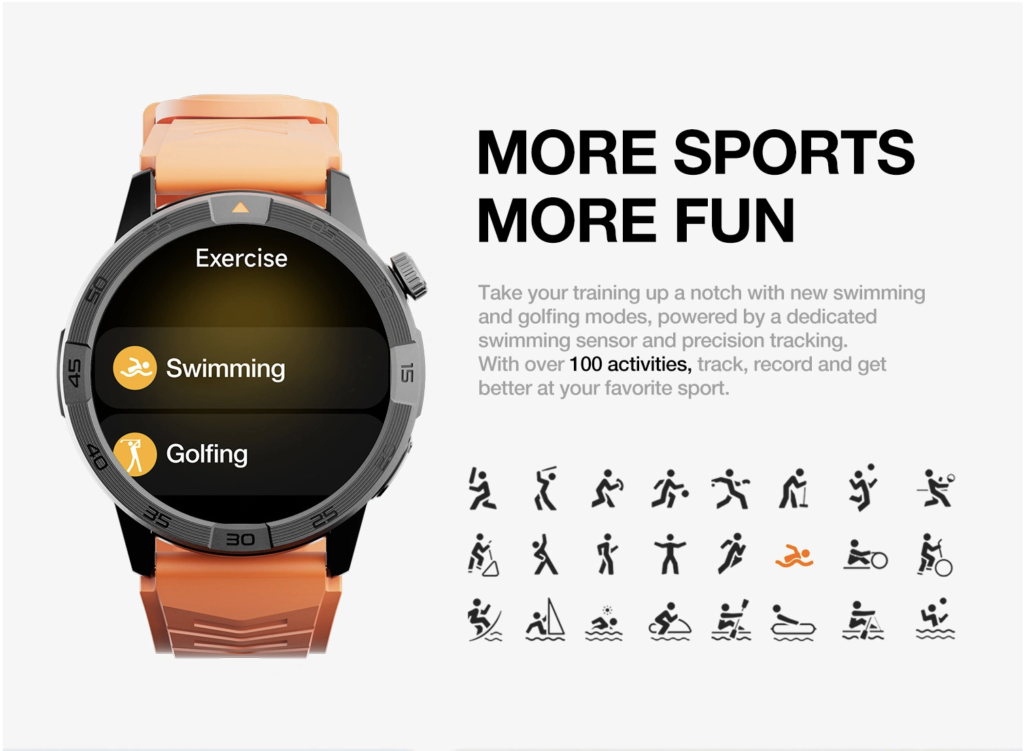
Main limitation: Receiving “Sample board review” does not prove that the project application can open or offer Reviewed. Fitness data may remain the device’s strongest interaction path while the work task returns to the phone.
Who should buy: An American shopper should choose fitness-first when exercise data matters more than workplace application input.
Who should skip: The Minneapolis coordinator should remove this type when the on-watch project action remains unavailable.
Verify before buying:
- whether the required application exists;
- which smart functions require the phone nearby;
- where fitness and non-fitness records are stored;
- how the watch handles third-party task actions;
- the exact charging equipment and routine.
Purchase verdict: Skip for This Work-App Requirement.
This outcome does not make the category inferior. It means the buyer’s money would be directed toward a technical priority that does not control this purchase.
Hybrid Watch: Buy for Traditional Appearance and Light Awareness
Best for: Buyers who prefer a traditional-looking watch and need limited connected awareness rather than full application interaction.
Main buying advantage: A restrained display or indicator can preserve conventional watch presence while showing that “Sample board review” requires attention.
Main limitation: Awareness does not complete the Minneapolis route. The coordinator still needs an application screen, a Reviewed control, and confirmation that the project record changed.
Who should buy: Choose this type when knowing when to check the phone is enough.
Who should skip: Shoppers requiring meaningful on-watch input should not assume a short notification can expand into a complete application workflow.
Verify before buying:
- the amount of text the display can show;
- the available physical controls;
- the required companion application;
- how dependent notifications are on the phone;
- the actual charging method.
Purchase verdict: Skip When Application Input Is Required.
Readers who prefer this appearance can compare it more closely through the traditional, hybrid, and full-screen buying decision.
Communication-First Watch: Buy When Calls and Messages Matter Most
Best for: American users whose primary wrist needs are calls, texts, voice access, or message handling.
Main buying advantage: Communication-centered controls may make conversations easier to notice or manage without immediately reaching for the phone.
Main limitation: Deep calling or messaging behavior does not prove support for an unrelated project application. A watch can handle conversations well and still fail to provide the Reviewed task action.
Who should buy: Select this category when communication—not project software—justifies the purchase.
Who should skip: The Minneapolis buyer should not pay for microphones, speakers, or message tools as substitutes for missing application interaction.
Verify before buying:
- which phone or connection supports the communication route;
- whether calls or replies require additional service;
- how private information appears on the wrist;
- whether the project application remains unsupported;
- which communication records stay authoritative on the phone.
Purchase verdict: Skip Unless Communication Replaces the Project-App Need.
The notification-versus-answering comparison can help U.S. shoppers keep awareness, replying, and calling as separate buying requirements.
Simplified Connected Watch: Buy for Basic Alerts, Not App Actions
Best for: Buyers seeking basic awareness, lower interaction complexity, and a clear reason to check the phone.
Main buying advantage: A simplified candidate may mirror “Sample board review” without surrounding the alert with menus, applications, or extended wrist actions.
Main limitation: The watch cannot provide Reviewed or confirm the project status. Its role ends after the notification appears.
Who should buy: American consumers who need alerts rather than on-watch work may find this category sufficient.
Who should skip: Anyone paying specifically for application input should remove it before comparing prices or finishes.
Verify before buying:
- which notification sources appear;
- how much task text is readable;
- whether the phone must remain nearby;
- what acknowledgment does;
- how charging and ordinary reconnection work.
Purchase verdict: Reject for the Required Action.
Compare All Five Types for a Minneapolis Workday
| Purchase factor | Full smartwatch | Fitness-first | Hybrid | Communication-first | Simplified connected |
|---|---|---|---|---|---|
| Required application | Can qualify after verification | Unproven | Usually too limited for this action | Not established by communication tools | No meaningful app input |
| Screen | Task card plus control | Fitness-centered or mixed | Short summary | Message and call depth | Alert or compact summary |
| Phone dependence | Varies by exact app | Varies | Often central to alerts | Varies by communication route | Phone remains central |
| Controls | Touch and physical input | Fitness-oriented plus smart controls | Limited physical controls | Touch, voice, or buttons | Basic acknowledgment |
| Charging | Verify exact product | Verify exact product | Verify exact product | Verify exact product | Verify exact product |
| Data authority | Project system must confirm update | Project update unresolved | Phone owns the task | Communication account owns conversations | Phone owns the task |
| Buying verdict | Selected type | Skip | Skip | Skip | Reject |
The full-smartwatch category wins this Minneapolis comparison because it can potentially complete every required stage. Greater fitness depth, traditional presentation, stronger communication, or simpler alerts would serve different purchase priorities.
Six Technical Checks U.S. Consumers Should Make Before Buying
1. Confirm the Exact Application
“Supports apps” is too broad. The required project tool must have a verified watch route.
2. Read the Complete Task
Make sure “Sample board review” appears clearly without exposing private client or project information.
3. Test the Required Control
Reviewed must be an actual action rather than a decorative button, generic dismissal, or phone-only shortcut.
4. Record Phone Dependence
Document whether the handset is required for application access, syncing, Internet service, or final confirmation.
5. Verify Charging
Identify the supplied charger, visible charging confirmation, and a realistic charging location. Do not rely on category-wide runtime assumptions.
6. Confirm Data Authority
Refresh the project system on the phone or computer. A wrist animation does not prove that the official record changed.
Five U.S. Buying Deal-Breakers
The Listing Says “Apps” Without Naming the Required App
Pause the purchase until direct support evidence exists.

The Task Appears Without Reviewed
A notification-only result belongs to a different buying category.
The Wrist Action Does Not Update the Project Record
Reject the workflow when it creates a local appearance of completion but leaves the authoritative status unchanged.
Phone Dependence Exceeds the Buyer’s Plan
A full smartwatch can still be the wrong candidate when every useful action sends the coordinator back to the phone.
Charging or Return Evidence Remains Unclear
Verify the included equipment and the seller’s current terms directly. Do not invent a return period or assume that one U.S. retailer follows another’s policy.
The product-listing decoder can turn vague application, screen, and connectivity language into checkout questions.
Verify Exact Phone Fit and Ownership Costs
Selecting the full-smartwatch type creates a shopping category, not a final winner. Each candidate still needs the exact phone, application, permission, and reconnect test.
After the technical route passes, continue through the women’s five-gate product shortlist. Phone fit, physical fit, privacy, charging, and the reserved role must all survive.
Several qualifying full smartwatches may remain. Use the role-distinct finalist comparison to remove options that offer the same buying reason under different designs.
American shoppers should also check recurring application work, required accounts, optional subscriptions, charging accessories, and recovery burden. The monthly-upkeep buying checks and current useful-life evidence review can expose costs and dependencies that the initial price does not show.
During the seller’s available testing period, repeat “Sample board review” after setup, charging, and one ordinary reconnect. A first-week readiness check can reveal whether the app action remains stable after normal ownership changes.
Questions American Shoppers Ask About Smartwatch Types
Is a Fitness Watch Also a Smartwatch?
It can include connected features, but its strongest purchase purpose may remain fitness data. Judge it by the action you need rather than the label.
Does a Full Smartwatch Run Every Application?
No. Verify the exact application, account route, phone environment, and required wrist action.
Can a Hybrid Complete App Actions?
Some connected behavior may be available, but a notification or short summary does not prove full application input.
Is Communication-First the Same as Full Smartwatch?
Not for this buying decision. Calls and messages can be deep while the required project application remains unavailable.
What Is a Simplified Connected Watch?
In this buyer-facing matrix, it is a watch centered on basic phone-origin alerts and limited wrist interaction.
Which Type Needs the Phone Most?
Dependence varies by exact product. Record what the phone supplies instead of making a category-wide assumption.
Does the Category Predict Battery Life?
No. Compare the exact charger, enabled functions, observed routine, and ownership requirements.
Why Does the Full-Smartwatch Type Win in Minneapolis?
The project application must open, display the task, accept Reviewed, and update the authoritative record.
Should I Compare Prices Before Types?
Choose the correct technical category first. A lower-priced watch is poor value when it cannot perform the action controlling the purchase.
What Does the Verdict Prove?
It selects the correct type for one U.S. buyer. It does not approve every product sold within that category.
Buy the Type That Completes the Required Work Action
At 7:41 a.m., all five watches still looked like plausible purchases. Their technical routes produced five different outcomes once “Sample board review” entered the project system.
The fitness-first type prioritized another kind of data, while the hybrid offered lighter awareness. Communication-first behavior served calls and messages, and the simplified connected option stopped at notification delivery.
Only the full-smartwatch category could proceed toward the complete action: open the required application, read the task, tap Reviewed, and confirm the authoritative record.
The final category decision is:
Full-Smartwatch Type Selected — Required Applications Need On-Watch Interaction.
This verdict applies to one Minneapolis coordinator, one stationary morning test, one project application, one neutral task card, one Reviewed action, and one authoritative record. It does not establish a universal preference for women or prove that every full smartwatch supports the required software.
U.S. shoppers should choose the technical type before comparing individual products. A watch belongs on the buying shortlist only when its category can perform the action controlling the purchase.
Before purchasing this smartwatch product candidate, treat its type, application support, phone dependence, charging behavior, and data syncing as unverified and require the complete Women’s Smartwatch Type Matrix.