
Circle the last day the watch changed a decision.
Day 30 is blank. Nothing useful appears on Day 29, while Day 28 carries only a charging symbol. On Day 27, a neighborhood-meeting alert helps a Cleveland receptionist adjust the front-desk plan without reaching for the phone. That square—not the crowded opening week—begins the real test of an affordable smartwatch. Wearing the watch, charging it, and glancing at its screen are not the same as receiving a meaningful wrist benefit.
The 30-Day Use Payback Calendar reads usefulness backward. Instead of assuming that early enthusiasm proves long-term value, it searches for benefits that continue after experimentation slows down. Each positive square must contain at least one moment when the watch changed an action, completed a useful wrist task, supported a reminder or call, or prevented an unnecessary phone reach.
An affordable smartwatch is worth buying when meaningful wrist-use days continue after the novelty period and outweigh setup-only, charging-only, low-value-glance, and no-use days. Daily use is not required when valuable moments recur on predictable days and support a real role in the buyer’s routine.
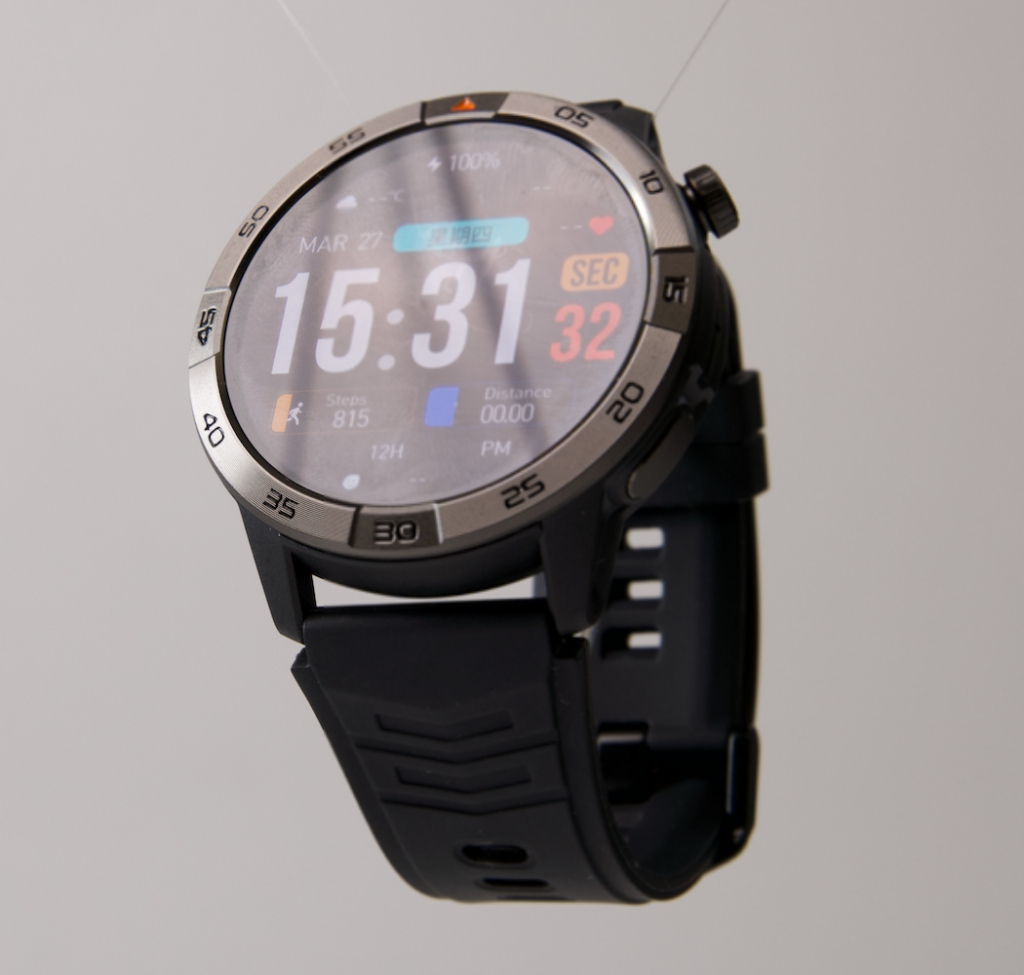
The Last Useful Square at the Cleveland Front Desk
The Day 27 mark comes from a nonprivate schedule change. A neighborhood meeting will use a different shared room, and the receptionist needs to adjust a preparation reminder. The watch provides enough information to change the next action while the receptionist is stationary at the desk.
That moment earns a positive square because the wrist information changes a useful decision. The receptionist does not have to unlock the phone, open the scheduling message, and search for the same basic update.
A routine glance receives no automatic credit. Checking the time out of habit, opening the watch face without acting, or scrolling through a screen because the device is available does not prove that the affordable smartwatch has earned its place.
The role must be defined before any square can qualify. For this Cleveland routine, the buyer should define the receptionist’s wrist role before marking useful days. The watch is expected to support selected alerts, useful caller context, timers, reminders, and safe reductions in unnecessary phone handling.
Private addresses, visitor details, access information, internal service requests, personal phone numbers, and sensitive messages remain on the phone or another protected system.
Move Backward Until the Calendar Goes Quiet
Reading toward the middle of the calendar reveals a different pattern. One square shows that the watch was charged but produced no meaningful benefit. Another records several screen checks that changed nothing. A third is completely blank. The next contains a permission adjustment but no useful wrist outcome.
Together, those squares form the first blank corridor.
The watch may still have been worn during part of that period. Its display may have been opened, and the companion app may have recorded activity. None of those facts automatically creates use payback.
Low-Use Days appear when the device remains present but does not help the receptionist make a decision, complete a defined wrist task, or avoid unnecessary phone handling. A single quiet day is not a failure. The concern begins when non-payback squares dominate and no recurring reason for wearing the watch returns.
This is why an affordable smartwatch should not be judged only by ownership or wear time. The calendar measures useful outcomes rather than proximity to the wrist.
Find the Cleveland Moments That Return
Moving farther backward uncovers several recurring anchors. A visitor-arrival notice helps the receptionist prepare the front desk. A meeting change triggers a useful schedule decision. Caller context makes it clear that one call can wait while another deserves attention. A timer supports the transition between reception work and community-room preparation.

Another square earns a Phone Reach Avoided mark because the watch provides enough nonprivate information to show that no response is required. The avoided reach matters because it supports the defined role—not merely because the phone remained untouched.
Useful communication also has boundaries. A short caller decision may belong on the wrist, while a private, complicated, or lengthy conversation still requires the phone. The receptionist can separate useful wrist communication from calls that still belong on the phone.
The watch is checked only while the receptionist is stationary. No interaction occurs while guiding visitors through traffic areas, crossing a parking lot, carrying supplies, moving furniture, using stairs, driving, responding to an urgent event, or managing an active front-desk line.
These returning anchors give the affordable smartwatch a stronger case than one unusually busy opening week. Repetition inside the real routine matters more than the total number of available features.
Give Every Square One Primary Status
The calendar uses eight markers. Five can support a meaningful-use day:
- Useful Alert: An alert changes what the receptionist does next.
- Useful Call: The watch helps identify, answer, place, or appropriately defer a call during a safe moment.
- Timer or Reminder: A wrist prompt supports an actual front-desk or program transition.
- Activity Use: The watch serves the defined routine rather than being opened only for experimentation.
- Phone Reach Avoided: The wrist provides enough useful information to make picking up the phone unnecessary.
Three markers identify non-payback activity:
- No Meaningful Use: The watch is present but produces no useful outcome.
- Charging-Only Day: Charging occurs without any meaningful wrist benefit.
- Setup Burden: Pairing, permissions, app sign-in, or configuration work occurs without useful service.
Several symbols may appear in one calendar square. A useful alert and a timer can share the same day, but the primary comparison unit remains one meaningful-use day. Multiple interactions cannot inflate one date into several days of payback.
A mixed day may still qualify. If the receptionist charges the watch in the morning and later receives a useful meeting-change alert, the day earns positive status. Charging does not erase genuine value, but it cannot create value by itself.
Cross Out Squares That Only Look Active
The calendar becomes more honest after false positives are removed.
Repeatedly opening a watch face because it is new does not qualify. Testing several settings without using them later does not qualify. A charging session followed by no meaningful wrist benefit remains a Charging-Only Day. Pairing the watch, repairing a permission, or signing into the companion app belongs under Setup Burden when the work produces no useful outcome that day.

Maintenance may be necessary, but maintenance is not payback. Readers who need to measure re-pairing, notification repair, charging management, cleaning, updates, and reconnection should separate maintenance interventions from meaningful-use credit.
Charging Without Payback appears when attention continues flowing toward the device while useful wrist moments disappear. The owner keeps the watch powered, handles the cable, and checks the display, yet the calendar contains no decision-changing marks.
An affordable smartwatch can therefore remain inexpensive and fully functional while still failing the use test. Capability is not the same as activation.
Now Return to the Crowded First Week
Only after reading the later squares should the receptionist examine Days 1 through 7.
The opening cluster is dense. Watch faces are changed. Notification settings are tested. Call controls are explored. Timers are started. Activity screens are opened, and the companion app receives frequent attention.
Some marks are legitimate. A useful alert changes a room-preparation decision, and a timer supports a real transition. Other squares contain curiosity rather than recurring value.
Novelty Week appears when the calendar’s first cluster is dramatically busier than every later period. The pattern does not prove that the watch is useless. It shows that early activity should remain provisional until later routine moments confirm it.
First-week setup can establish readiness without demonstrating lasting value. The receptionist can separate first-week setup readiness from lasting use.
The affordable price should not lower the evidence standard. Casual experimentation still cannot answer whether the buyer will actually use the device after the newness fades.
One Busy Event Cannot Carry the Entire Calendar
A neighborhood event creates the calendar’s most crowded square. The watch provides a reminder, useful caller context, a preparation timer, and enough information to avoid one unnecessary phone reach.
Four useful symbols appear, but they still create only one meaningful-use day.
This prevents Benefit Concentration from distorting the result. One unusual event may demonstrate what the watch can do without proving that those benefits belong to the ordinary routine.
The next question is whether similar value returns during normal reception weeks. Meeting changes, visitor arrivals, recurring preparation blocks, and selected calls provide stronger evidence because they are not dependent on a single exceptional event.
An affordable smartwatch earns a more durable role when useful marks reappear around recognizable responsibilities rather than clustering around one special occasion.
Selective Weekly Value Can Still Be Real
The calendar does not need a positive mark on every date.
The receptionist may rely on the watch most heavily during neighborhood-meeting days, visitor-heavy periods, scheduled community events, or recurring coordination blocks. Blank squares between those anchors do not automatically cancel the purchase.
A stable weekly pattern can deliver real value when the moments are important, predictable, and connected to the defined wrist role. This outcome is different from abandonment. The receptionist knows when the watch matters and continues using it in those situations after the novelty cluster ends.
No universal passing number should be imposed. Ten meaningful days could be valuable in one declared role and insufficient in another. The evidence comes from recurrence, importance, and routine fit—not an invented numerical threshold.
This distinction also keeps Article 318 separate from general feature-value analysis. Buyers can compare available value with the functions the routine will actually activate, but the calendar decides whether those functions return often enough to matter.
When a Mark Deserves a Calendar Square
Does checking the time count?
Not automatically. A routine time check is normal watch use, but it earns positive credit only when it supports a meaningful decision or task within the defined role.
Can one useful notification earn the day?
Yes. One alert can qualify when it changes an action, completes a required wrist task, or prevents an unnecessary phone check.
Can charging and useful activity appear together?
Yes. A day remains positive when the watch also produces a genuine wrist benefit. Charging does not erase useful service.
Does setup count as use?
No. Pairing, permissions, app sign-in, and configuration belong under Setup Burden unless a separate meaningful wrist benefit occurs that day.
Do several benefits create several day credits?
No. Multiple markers show the range of value inside one square, but the date still counts as one meaningful-use day.
Is occasional use enough?
It may be. Selective weekly use can justify the watch when the same important moments return predictably.
What if nearly every useful mark appears during the opening week?
That pattern indicates Novelty-Limited Use unless meaningful marks return after the blank corridor.
Should every avoided phone reach count?
No. The avoided reach must support the declared wrist role. Ignoring the phone without receiving useful information produces no credit.
Should use days be converted into dollars?
No. The calendar measures routine activation and recurring usefulness. It does not calculate financial payback or cost per use.
Read the Calendar as Four Different Shapes
Daily Value Earned
Meaningful marks remain broadly distributed after the novelty period. Useful alerts, reminders, calls, activity moments, or avoided phone reaches appear across ordinary days.
Selective Weekly Value
Blank days remain, but positive marks return around identifiable routine anchors. The watch has a stable role even though it is not equally valuable every day.
Novelty-Limited Use
Most useful-looking activity remains inside the first week. Later squares contain glances, charging, setup, and long blank runs with little recurring benefit.
No Use Payback
Setup burden, charging-only days, low-value glances, and empty squares dominate. No stable wrist role emerges after the initial exploration.
The Cleveland calendar points toward Selective Weekly Value. Meaningful marks return after the blank corridor through meeting changes, visitor notices, caller decisions, reminders, and useful reductions in phone handling.
That outcome belongs only to this continuing example. Another buyer’s affordable smartwatch may produce a different calendar shape.
Budget Fit and Use Payback Need Separate Approval
A watch can fit comfortably inside a discretionary spending limit and still fail the use calendar. Low purchase pressure does not guarantee meaningful activation.
The reverse is also true. Strong expected use cannot make an uncomfortable purchase financially appropriate. Before starting the calendar, the buyer should confirm that the purchase fits comfortably before testing its use payback.
Article 317 approves the spending decision. Article 318 approves the recurring-use pattern.
The Last Circled Day Should Not Be Week One
The receptionist returns to Day 27. That square matters because the watch still changes a useful decision after the opening cluster, setup work, blank corridor, and charging-only day have passed.
Total taps do not decide the outcome. Neither does the number of screens opened, features tested, or days the watch remained physically present. Meaningful recurrence is the evidence that survives.
The affordable smartwatch will actually be used when useful wrist benefits keep returning inside the real Cleveland routine—even when those moments appear selectively rather than every day. When the final positive mark remains trapped in Novelty Week, the purchase has not earned use payback. When useful squares continue appearing later, the watch has found a role worth keeping.
List the alerts, calls, reminders, activity moments, and avoided phone reaches that could recur in your routine, then map where this watch could earn genuine calendar marks before assuming an affordable price guarantees lasting use.