
At what battery percentage do you stop trusting your watch?
At 31%, a family-court records clerk in Reno, Nevada, begins looking for a charger. One afternoon reminder, a recognized call alert, the drive home, and a planned grocery stop remain. Nothing has failed, yet the displayed number has already started rewriting the day.
A practical smartwatch battery anxiety solution begins at that exact moment. The purpose is not to ignore a genuine low-power risk. It is to identify the percentage that causes charger searching, function shutdown, or schedule changes before the watch has shown that the remaining routine is in danger.
Here, battery anxiety describes everyday uncertainty about remaining smartwatch charge. It is not a medical diagnosis or a substitute for medical guidance.
Freeze the First Plan Change Before Explaining the Battery
Battery capacity and advertised runtime can wait. The first useful evidence is the action caused by the displayed percentage.
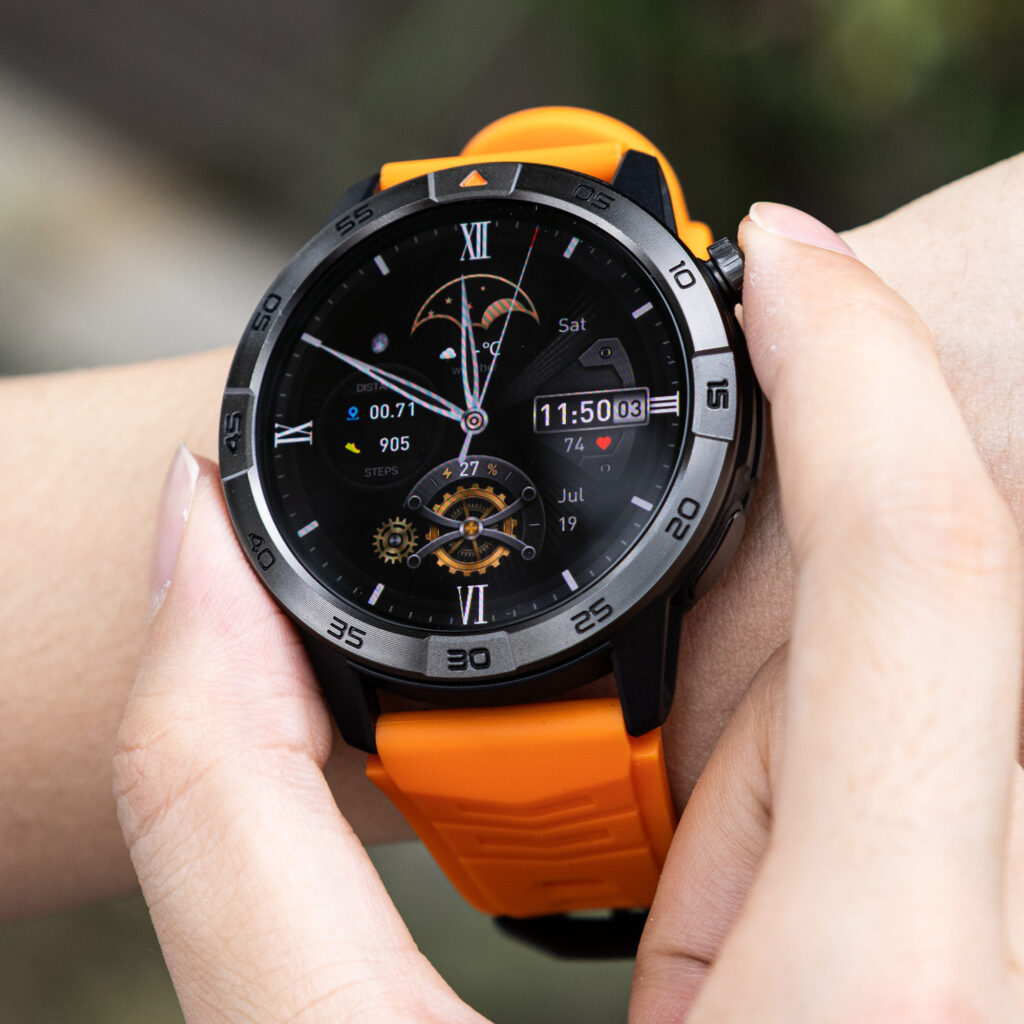
For the Reno clerk, the reaction might be opening a desk drawer to search for a charging cable. Another response could be canceling the grocery stop, disabling useful call alerts, or checking the percentage repeatedly instead of continuing the normal afternoon.
The number itself is not yet the problem. A displayed 31% becomes meaningful when it produces a behavior change.
First Worry and Plan Changed Are Separate Markers
Attention often begins before disruption. The clerk may first notice the battery at 38%, glance at it again at 34%, and continue working normally. Only at 31% does the charger search begin.
The Battery-Confidence Threshold Map separates those moments:
- First Worry: the percentage begins attracting extra attention
- Plan Changed: the user alters a normal action, function, or schedule
- Routine Actually Threatened: the watch may no longer complete what remains
The distance between Plan Changed and Routine Actually Threatened reveals whether the reaction may be occurring too early.
Capture the Prediction at the Same Moment
Record what the user expects when the plan changes. The Reno clerk might predict that the watch will lose required alerts before the commute ends or shut down before arriving home.
A useful snapshot contains only five details:
- The displayed percentage
- The current time
- The remaining schedule
- The action triggered by the number
- The failure the user expects
This is not a battery diary. It is a replay of one decision point.
Put the Unfinished Reno Workday Beside the Percentage
A battery number cannot answer the H1 by itself. The unfinished portion of the day determines whether the reaction is justified.
At 31%, the clerk still has a final office block, one reminder, a recognized call alert, the drive home, and a grocery stop. Charging is normally available after reaching home. That sequence becomes the remaining-day ribbon beside the vertical gauge.
Name Only What Must Survive
The ribbon should include only the functions required to complete that afternoon:
- Time display
- One scheduled reminder
- Selected call notifications
- Caller identification
- The ordinary phone connection
Sleep tracking, fitness analysis, camera controls, and unrelated smartwatch functions do not help answer this H1, so they remain outside the evaluation.
Separate Discomfort From Actual Disruption
Seeing a smaller percentage can feel uncomfortable without creating a practical problem. Before treating the number as an emergency, identify which part of the unfinished day would actually be disrupted.
If losing power would remove a required reminder or recognized call alert, the risk matters. When the only consequence is discomfort with the displayed number, the Plan Changed marker may sit above the genuine routine limit.
Read the Gauge as Four Behaviors, Not Four Fixed Percentages
The Battery-Confidence Threshold Map contains four zones: Calm, Watchful, Plan Changed, and Emergency. None receives a universal numerical range.
Twenty percent shortly before the next normal charge may be manageable. That same figure before several hours of work and travel may require a different response. Behavior and remaining responsibility determine the zone.
Calm
The percentage is visible, but the clerk continues normally. Required alerts remain active, the grocery stop stays on the schedule, and no charging search begins.
Watchful
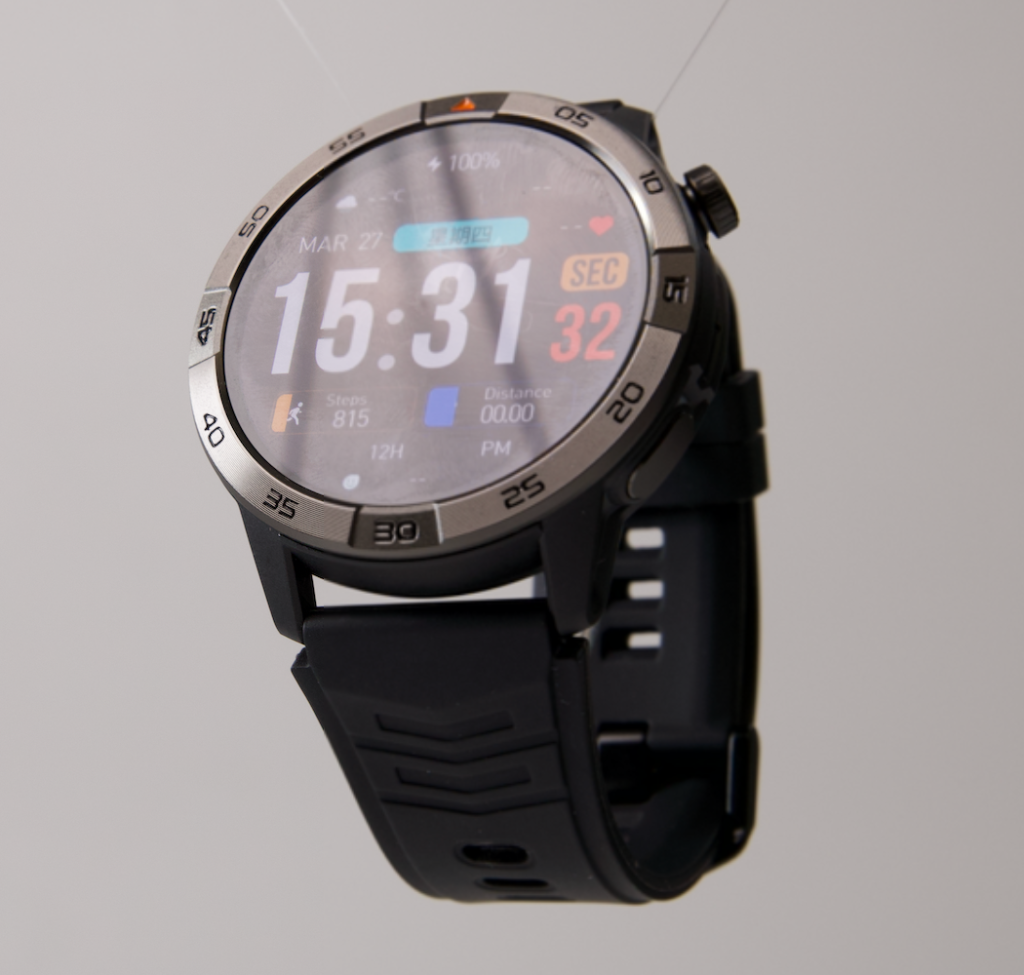
Attention increases while the routine remains unchanged. The clerk may check the gauge again or recall the next charging opportunity without altering the afternoon.
Plan Changed
The number now controls a real decision. A useful notification is disabled, a stop is canceled, or the user begins searching for power even though actual completion evidence is still missing.
Emergency
The remaining charge genuinely threatens the required ribbon. At that point, charging or reducing optional use may protect the functions that still matter.
A percentage belongs in one of these zones because of what follows it. The number does not carry the same meaning for every American user or every schedule.
Replay the Afternoon: Expected Ending Versus Actual Finish
The central evidence appears when the afternoon splits into two endings. One ending is predicted at the Plan Changed marker. The other is what the routine actually produces.
The Ending the Clerk Expects
At 31%, the predicted outcome is simple: the watch will not make it through the commute and grocery stop with the required alerts still available.
That prediction explains the charger search. It does not yet prove that searching was necessary.
The Ending the Routine Produces
Observation should occur only on a representative day when losing watch access would not create a safety concern, required work failure, or essential communication problem.
At the normal charging opportunity, inspect the result:
- Did the watch remain powered?
- Was the reminder still available?
- Did selected call alerts continue?
- Was the grocery stop completed as planned?
- Did the user avoid emergency power saving?
- Was an unplanned charge necessary?
Suppose the required ribbon finishes with those conditions intact. The result does not prove that 31% will always complete every afternoon. It does show that the predicted failure arrived earlier than the actual threat on this representative day.
One Finish Challenges a Prediction, Not Every Future Outcome
Calling, display activity, connections, and the length of the remaining day can affect actual runtime. One successful finish should therefore move the confidence marker cautiously rather than create a permanent promise.
Repeated ordinary completions below the current marker provide stronger evidence than a single afternoon.
Measure the Confidence Gap, Not the Battery Number
The completed map is interpreted through distance. How far does the Plan Changed marker sit above the point where the routine genuinely becomes unreliable?
Readers whose concern begins with a much broader endurance promise should separate today’s confidence threshold from a multiweek battery claim. Article 203 remains focused on the percentage that changes the current day.
A Wide Confidence Gap
The user begins altering plans well before required functions become threatened. Several representative afternoons may finish below the original marker without charger searching, function shutdown, or schedule changes.
In that situation, the displayed percentage has more influence than the completion evidence supports.
A Narrow Confidence Gap
The behavior change occurs close to the point where the watch struggles to finish the remaining ribbon. A higher marker may already reflect practical experience rather than unnecessary caution.
Moving it lower would not improve confidence. The change would ignore the demonstrated limit.
A Changing Confidence Gap
The same percentage can produce different results when the remaining schedule changes. Thirty-one percent may complete a short afternoon but become less dependable before a longer evening away from charging.
Forcing one permanent marker would oversimplify the evidence. Separate thresholds may be more useful for a normal workday, a short evening at home, and an extended period away from power.
Recalibrate the Marker Without Changing the Routine
A useful smartwatch battery anxiety solution adjusts the confidence threshold rather than weakening the routine to protect the result.
Move Downward in Small Steps
Suppose the clerk starts changing plans at 31%, but the required afternoon repeatedly finishes at lower percentages. The Plan Changed marker can move downward gradually.
A single successful result does not justify an extreme shift. Small adjustments leave room for normal variation while replacing unsupported worry with completion evidence.
Keep Required Functions Active
The marker cannot be recalibrated honestly if the user disables the reminder, removes selected alerts, avoids normal interaction, or adds a brief recharge.
Changing those conditions may extend the displayed percentage, but it answers a different question. Article 203 asks whether the original routine can continue below the old threshold.
A Lower Marker Is Not Automatically Better
The goal is accurate confidence, not tolerance for the smallest possible number.
A higher threshold can remain reasonable when the unfinished period is longer, charging access is limited, a required communication function must stay available, or recent results have varied.
When the real problem is an automatic bedtime charge rather than a daytime percentage reaction, separate a low-percentage response from a nightly charging habit. That page solves a different behavior problem.
Match the Percentage to the Hours Left in a U.S. Workday
The displayed figure gains meaning only when it is placed beside remaining time.
For the Reno clerk, 31% at 4:40 p.m. may need to support the commute and one stop. The same figure late in the morning would face a much longer ribbon.
To place the number in a practical time frame, compare expected runtime with the hours still left in the routine.
Five factors guide the decision:
- Current percentage
- Time remaining before the normal charge
- Functions still required
- Availability of a dependable charging opportunity
- Recent ordinary-use completion evidence
American work schedules, commutes, and after-work stops vary. A useful threshold must reflect the reader’s actual remaining day rather than a universal percentage copied from another user.
How U.S. Buyers Should Use the Threshold When Comparing Watches
The buying requirement is narrower than “find the largest battery.” A stronger choice is a watch that keeps the required routine intact below the percentage that currently changes the buyer’s plans.
After locating that marker, U.S. consumers can turn the confidence threshold into a realistic charging interval. The next decision becomes practical: how often should charging be necessary when the normal routine is preserved?
Inspect Only the Conditions That Affect the Threshold
Before purchasing, check:
- What usage conditions support the advertised runtime
- Whether selected alerts remain active in that mode
- Whether the claim relies heavily on standby use
- Whether emergency settings are required to reach the stated duration
- Whether the current U.S. seller permits a realistic return evaluation
Manufacturer-stated battery figures provide a starting point, not a guaranteed number of remaining hours. Actual runtime may vary with settings and use, so verify the current model, seller, and return terms.
Compare Completion Below the Marker
One watch may advertise a larger maximum while creating uncertainty above the buyer’s normal threshold. Another may carry the required reminder, alerts, commute, and evening stop below that point without intervention.
For this H1, the second outcome supplies stronger evidence. Continued routine completion matters more than the largest number printed on a product page.
Questions Positioned Along the Threshold Line
Is There One Percentage That Should Worry Every Smartwatch User?
No. Remaining time, required functions, charging access, and previous completion evidence determine the useful threshold.
Does Repeatedly Checking the Percentage Mean Charging Is Necessary?
Not by itself. Repeated checking belongs in the Watchful zone until it causes charger searching, function shutdown, or a schedule change.
Can Workdays and Weekends Use Different Thresholds?
Yes. A longer day away from power may justify a higher marker than a short evening near the normal charger.
What If the Same Percentage Produces Different Results?
Use context-dependent markers rather than forcing one permanent number. The remaining schedule may be changing even when the displayed percentage is identical.
Does Emergency Power Saving Count as Normal Completion?
Only when that setting was already part of the ordinary routine. Activating it solely to avoid failure means the original conditions did not remain intact.
Is Battery Anxiety Being Used as a Medical Term?
No. This article uses the phrase as informal buyer language for uncertainty about remaining smartwatch charge.
The Number Should Inform the Day, Not Rewrite It
Return to the opening question: at what battery percentage do you stop trusting your watch?
The answer should no longer be the first number that feels uncomfortable. A useful threshold is the point where ordinary completion evidence no longer supports the unfinished routine.
For the Reno clerk, the finished map separates First Worry, Plan Changed, and Routine Actually Threatened. That separation shows whether the charger search began at the right moment or too early.
Record the percentage that changes your plans, place the unfinished day beside it, and preserve the functions you normally use. Before approving a watch, inspect the runtime conditions behind your threshold and reject any option that requires premature charger searching, required-function shutdown, or an unnecessary schedule change above the point where the routine actually becomes threatened.