
Two identical result pages can hide entirely different buying problems. At a stationary Boise home-office desk, a freelance court reporter opens the phrase smartwatch women in two browser tabs. Both tabs display similar women-focused recommendations, yet neither page knows whether the unresolved issue is phone compatibility, a quiet reminder, physical format, charging, or confidential information. One tab contains only the search fragment. Beside the other sits a five-field buying brief that can control a real shortlist.
The buyer prints both result pages and places them beside a blank card labeled Phone, Wrist Task, Physical Format, Charging, and Privacy. No hearing is active, no client communication is underway, and no transcript content appears on the desk. Product comparison will wait until the missing intent has been completed.
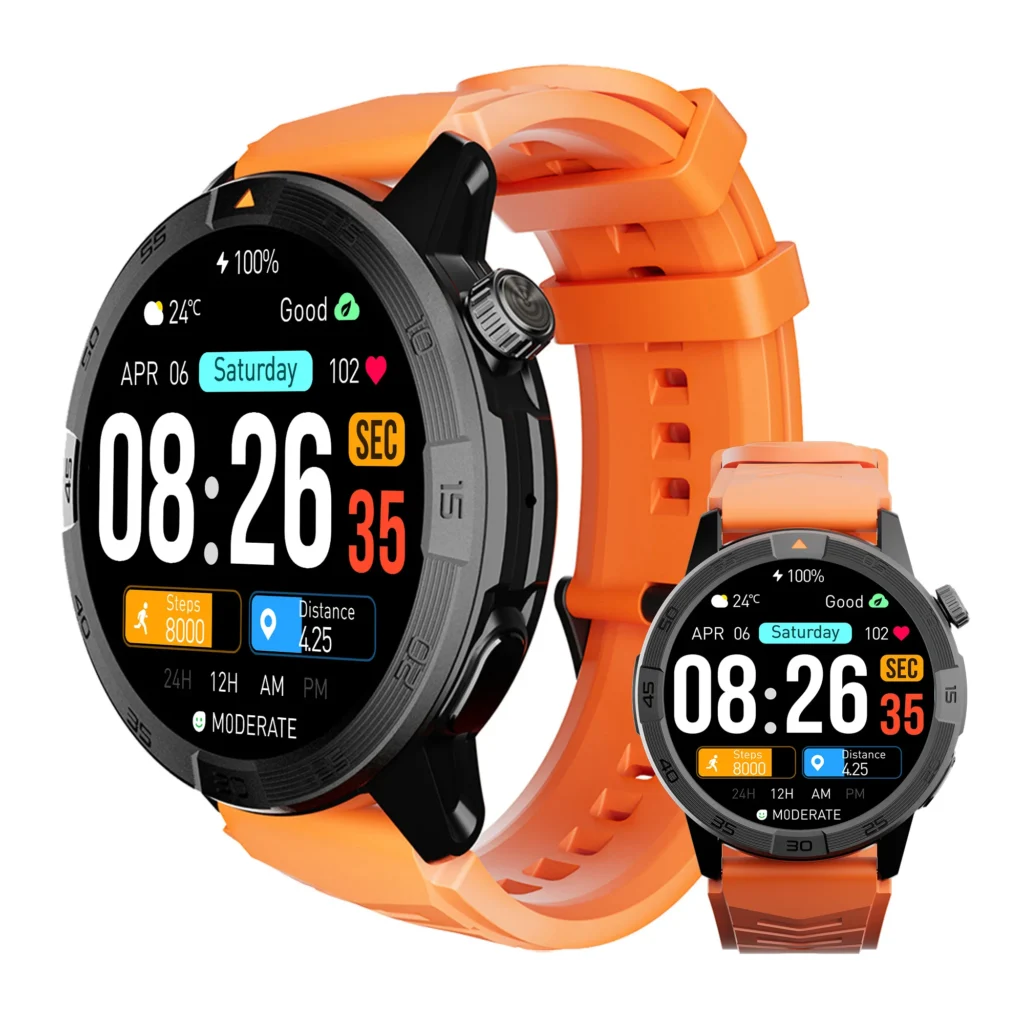
What Does the “Smartwatch Women” Search Leave Unsaid?
Treat “smartwatch women” as an incomplete search brief rather than a finished product category. The phrase identifies a broad shopping area but does not specify the buyer’s phone, wrist task, physical needs, charging plan, or privacy boundary.
- Which exact phone and software must the watch support?
- What one task must happen on the wrist?
- Which physical format must fit the buyer directly?
- When and where will charging occur?
- What information may appear on the watch?
Once all five answers become measurable, the fragmented query turns into shortlist-admission criteria. Until then, even a carefully researched recommendation page may answer a different buyer’s problem.
Keep the Search and Complete the Intent
The Boise reporter does not need to discard the original wording. A broad search phrase can begin discovery, especially when the buyer wants to explore a women-focused market category. Problems arise only when the two-word fragment is treated as a complete specification.
Article 379 explains how to translate a women-focused seller label into measurable needs. This article starts one step earlier. Instead of testing what a seller’s category proves, the Search-Fragment Requirement Builder identifies what the buyer has not yet said.
Five blank entries protect the shortlist from assumptions. Wrist size remains unknown until measured, appearance stays personal, health interests receive no automatic priority, and the phone platform earns no credit until the exact environment is recorded.
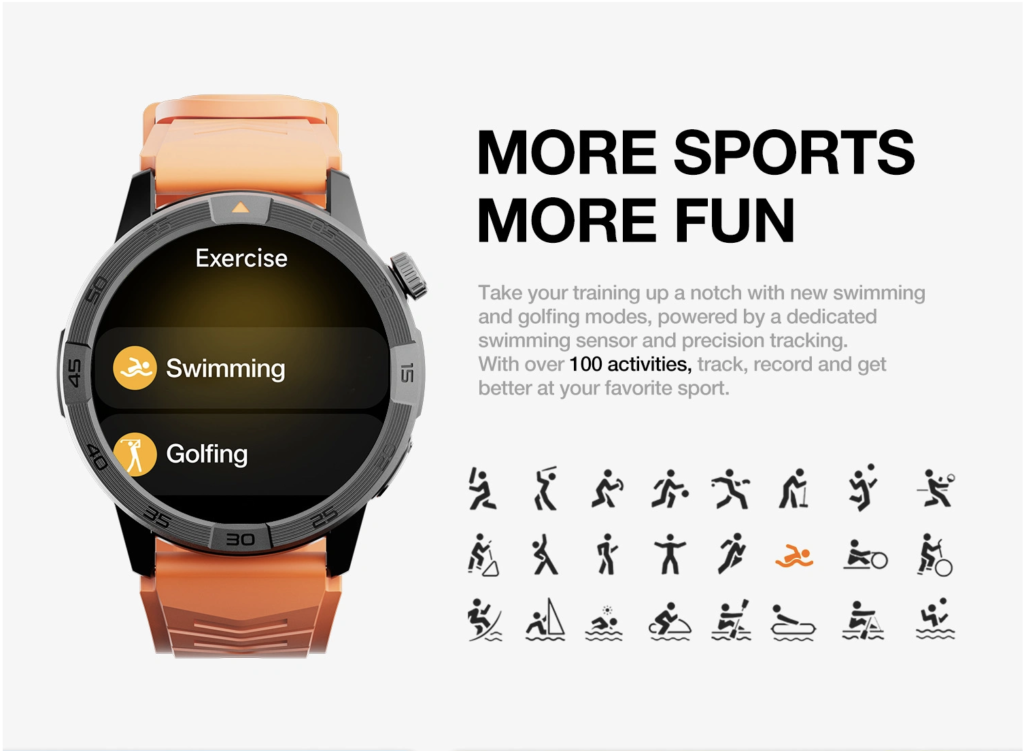
Write the Exact Phone Requirement First
“Works with my phone” is still too broad for the completed brief. The first field records the exact handset, current software, intended companion route, account owner, required permissions, and one future action that must work.
For this Boise routine, the action is simple: a phone-owned calendar item must produce a quiet wrist reminder reading “Transcript review at 3:20.” Product listings do not enter comparison merely because they use words such as compatible, smart, connected, or phone-ready.
The requirement card therefore says:
Use the recorded phone, software, account, application, permissions, and pairing route to deliver the approved calendar reminder to the watch.
A phone-first smartwatch comparison can later test candidates against that exact environment. At this stage, the buyer is defining the route rather than claiming that any product completes it.
Give the Watch One Boise Wrist Task
Search results often collect many appealing functions under one category, but the Boise brief needs one controlling job. During stationary transcript-review work, the watch should provide quiet awareness of “Transcript review at 3:20.”
The wrist may display the neutral reminder, provide a discreet signal, and allow a simple acknowledgment when the eventual product supports it. Calendar editing, transcript work, client communication, and detailed follow-up remain on the phone or computer.
That boundary prevents “smart features” from becoming an unlimited requirement. Fitness screens, health tools, calling, navigation, and entertainment may suit another buyer, but none belongs in this brief without a separate request.
Readers who have not assigned a controlling task can define one clear wrist role before expanding the feature list.
Define Physical Format Without Defining Women
The word “women” supplies no wrist circumference, case-span tolerance, preferred band tension, control arrangement, or keyboard-clearance result. Physical format must come from the exact buyer rather than from a category photograph.
At the Boise desk, the reporter records:
- the intended wearing position;
- wrist circumference at that position;
- acceptable case span;
- usable band adjustment;
- access to the screen, crown, or buttons;
- contact with the desk or keyboard edge;
- any personally preferred shape or visual style.
Appearance can remain important without becoming a stereotype. A round case, rectangular display, compact profile, bright band, muted finish, or decorative face belongs in the brief only when the buyer names it.
Future candidates that cannot satisfy direct wrist evidence should leave through a physical fit-elimination process. The search fragment itself cannot choose the format.
Add a Charging Routine Instead of a Battery Wish
A phrase such as “long battery life” sounds useful but does not describe when the buyer can charge, where the charger will live, or when the watch must be ready again. The fourth builder field turns endurance interest into an ownership routine.
The Boise reporter selects one charging home near the stationary work area. A suitable future candidate must begin charging during the declared window, show a clear confirmation, and return to the next required wrist task without forcing an unplanned interruption.
No number of advertised days enters the brief. The card records practical ownership conditions instead:
- one charging location;
- one available routine window;
- one visible confirmation method;
- one next-use readiness point;
- one cable or dock owner;
- one acceptable recovery route after a failed charge.
After purchase, a controlled first-week readiness review can determine whether the real routine matches the brief.
Build the Boise Privacy Boundary Before Enabling Alerts
Privacy cannot wait until a device is already displaying notifications. The court reporter defines allowed wrist content before any future candidate receives shortlist approval.
| Information | Allowed on wrist? | Authoritative device |
|---|---|---|
| Transcript review at 3:20 | Yes | Phone calendar |
| Client name | No | Work computer |
| Case name | No | Work computer |
| Hearing detail | No | Work system |
| Transcript text | No | Computer |
| Private message preview | No | Phone |
Only the neutral reminder belongs on the watch. Everything that could identify a client, case, witness, proceeding, or private communication stays on the authoritative device.
A later product test must confirm the displayed text, lock-state behavior, permitted source, and persistence of the selected settings. An icon or privacy label cannot replace an observed result. The broader smartwatch evidence framework can help separate visible controls from verified behavior.
Compare Three Versions of the Buying Brief
| Brief field | Query Only | Partial Brief | Completed Boise Brief |
|---|---|---|---|
| Exact phone | Missing | “Works with my phone” | Recorded environment and route |
| Wrist task | Missing | Calendar alerts | Quiet 3:20 transcript-review reminder |
| Physical format | Missing | Missing | Measured wrist, case, band, and control needs |
| Charging | Missing | Long battery requested | Declared location, window, and readiness point |
| Privacy | Missing | Missing | Neutral reminder only |
| Shortlist readiness | No | No | Yes |
Draft Brief One says only, “Find a smartwatch for women.” It preserves the broad market interest but supplies no admission criteria.
Draft Brief Two improves the request to “Find a smartwatch that works with my phone and shows calendar reminders.” Yet the exact phone, reminder wording, physical format, charging routine, and privacy limit remain unresolved.
Completed Brief Three gives future products a measurable job. Search results may look similar across all three versions, but only the final brief can determine relevance.
Turn the Five Fields Into One Exact Search Intent
The finished Boise requirement reads:
Find a smartwatch that works with the recorded phone and companion route, delivers a quiet “Transcript review at 3:20” reminder during stationary desk work, fits the buyer’s measured wrist and control requirements, supports the declared home-office charging routine, and keeps confidential case information off the wrist.
That sentence does not name a product or predict a winner. Instead, it defines the evidence a candidate must eventually provide.
Preferences can be added without weakening the core. When the reporter personally wants a particular case shape, finish, or watch-face style, that preference may appear as a separate line rather than being inferred from the word “women.”
Use the Completed Brief as a Shortlist Admission Rule
A future product may enter the shortlist only when enough reliable information exists to justify direct testing against all five fields. Missing evidence does not always prove that a watch fails, but it prevents premature admission.
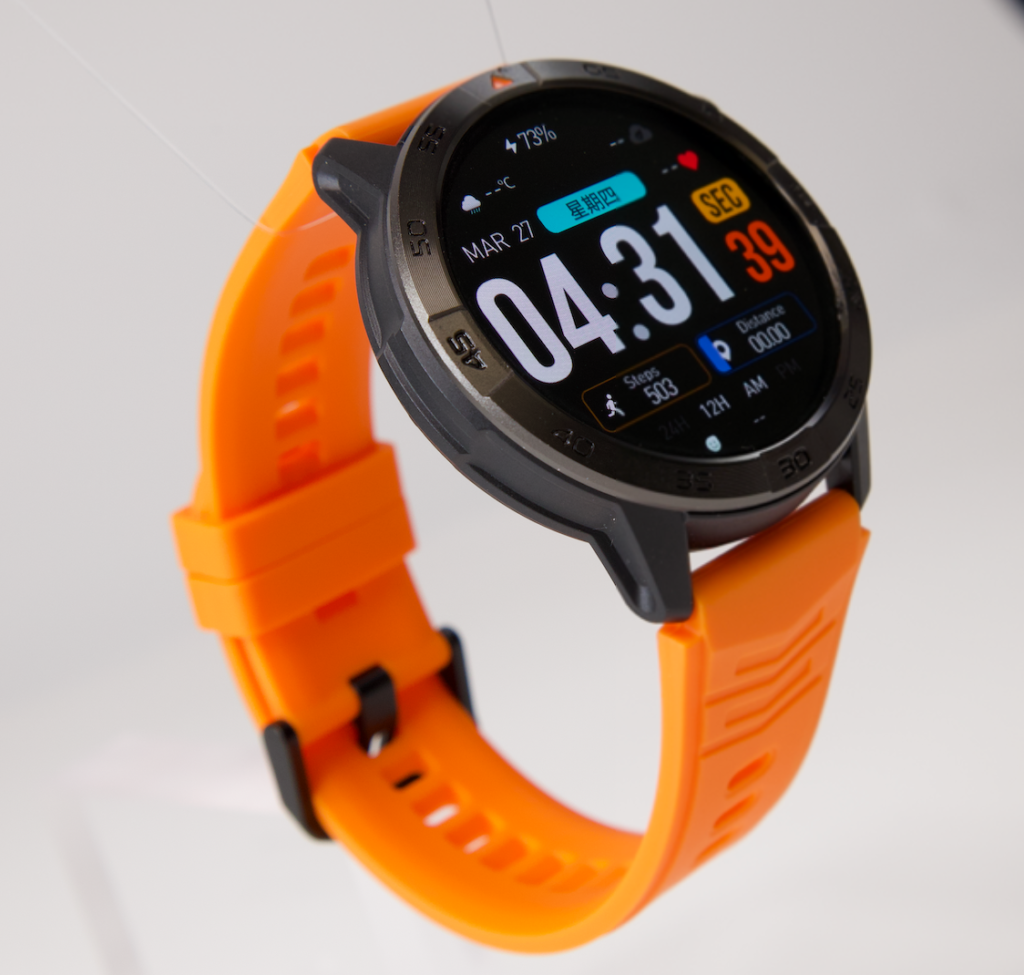
Start by checking whether the listing identifies the relevant phone relationship, format, controls, charging method, and notification route. Any promising claim then needs to be converted into a testable condition. The smartwatch listing decoder provides the next step once actual candidates appear.
Shortlist admission remains different from final approval. A product can provide enough information to deserve testing and still fail the exact phone route, privacy boundary, physical result, or ownership routine later.
Do Not Start Scoring Products Yet
The Search-Fragment Requirement Builder ends before product scoring begins. No points are awarded for appearance, applications, health tools, sports modes, calling, or advertised endurance.
Once several candidates can be tested against the completed brief, the buyer may apply strict nonnegotiables before scoring extras. That later stage can remove options that fail a mandatory condition.
Decision order matters:
- Complete the buying intent.
- Admit only testable candidates.
- Apply nonnegotiables.
- Compare preferences among survivors.
- Select a final option only after evidence supports the choice.
Reversing the order allows attractive products to define the buyer’s needs after the search has already begun.
Correct Seven Search-Fragment Mistakes
1. Treating a Broad Query as a Finished Brief
Use the initial wording for discovery, then add buyer-specific conditions before comparing products.
2. Letting Editorial Categories Define the Need
A recommendation category may suggest possibilities, but the Boise reporter decides which problem matters.
3. Omitting the Exact Phone
Record the handset, software, account, companion route, permissions, and required action.
4. Asking for “Notifications” Without a Wrist Task
Name the source, approved wording, acceptable signal, stationary setting, and expected result.
5. Inferring Physical Format From Gender
Use direct wrist, case, band, control, and desk-contact evidence.
6. Treating an Advertised Duration as a Charging Plan
Define when charging can occur and when the watch must be ready again.
7. Waiting Until After Purchase to Define Privacy
Decide what may reach the wrist before enabling broad alert access.
Questions Buyers Ask About Vague Smartwatch Searches
Is “Smartwatch Women” a Bad Search?
No. It is a useful discovery phrase, but it needs buyer-specific detail before it can control a shortlist.
Should the Buyer Add a Phone Platform?
Yes, although the exact handset, software, companion route, and required action still need verification.
Must Physical Format Be Part of the Brief?
Include it whenever case span, band adjustment, control access, or desk interaction could affect suitability.
Can Appearance Become a Requirement?
Yes. The Boise buyer may name a preferred appearance without turning that preference into a universal rule for women.
How Specific Should the Wrist Task Be?
Define one observable action, its source, the permitted setting, and the result that counts as success.
Why Add Charging Before Seeing Products?
A watch cannot fit daily ownership when the buyer has no workable location or time for charging.
When Does the Shortlist Begin?
Start after all five fields have measurable answers and future candidates can be checked against them.
Replace the Boise Search Fragment With a Buying Brief
The two printed result pages from the opening still show similar recommendations. Their usefulness has changed because one now sits beside a complete Phone, Wrist Task, Physical Format, Charging, and Privacy card.
Nothing in the finished brief defines what all women should want. It applies to one Boise court reporter, one recorded phone environment, one stationary reminder task, one direct physical-format plan, one charging routine, and one information boundary.
The final determination is:
Search Brief Completed — One Exact Buying Intent Replaces the Vague Query.
No product has been chosen, and no compatibility, privacy, fit, charging, or long-term reliability result has been granted. The completed sentence simply gives future candidates a fair, measurable standard.
A broad phrase can begin product discovery. Only a buyer-owned brief should decide what enters the shortlist.
Before adding this smartwatch product candidate, complete the Phone, Wrist Task, Physical Format, Charging, and Privacy fields independently and treat every displayed claim as unverified.