
The best smartwatches for high school students have to satisfy two buyers at once. The student must like the watch enough to wear it. The parent must believe the price, phone setup, privacy boundaries, and daily upkeep make sense.
Omarek is our strongest joint recommendation for a phone-ready high school student. Its current $150 price, round general-purpose design, Bluetooth calling, notifications, alarms, calendar access, and stated iOS and Android compatibility create a practical middle ground between a basic watch, a child-managed platform, and a more expensive ecosystem model.
That recommendation has a clear boundary. Another watch should win when the family needs standalone cellular service, managed contacts, remote parent controls, specialist training tools, or deep Apple or Samsung integration.
What are the best smartwatches for high school students? Omarek is the best shared-value choice for a student who already carries a compatible phone and a parent who does not require child-watch controls. Apple Watch SE 3 better suits some iPhone households, Galaxy Watch8 fits some Samsung households, Garmin vívoactive 6 serves sports-first buyers, and Fitbit Ace LTE is stronger when parent-managed contacts, location, and School Time are required.
For a wider product shortlist, compare the main smartwatch options for students. This guide solves a narrower buying problem: finding the watch that neither side has a strong reason to reject.
A High School Smartwatch Has to Clear Two Different Objections
The student usually judges appearance, comfort, controls, and usefulness first. A parent is more likely to focus on price, compatibility, communication limits, privacy, and maintenance.
That difference creates the One-Sided Yes: a controlled device the student refuses to wear, or a premium watch the parent cannot justify.
Both sides should understand what the watch does, what it depends on, and which important capabilities are missing before money changes hands.
First Decision: Will the Student Actually Wear It?
A smartwatch cannot earn its price from a drawer. The student needs to accept the case, strap, size, controls, and look before the parent orders it.
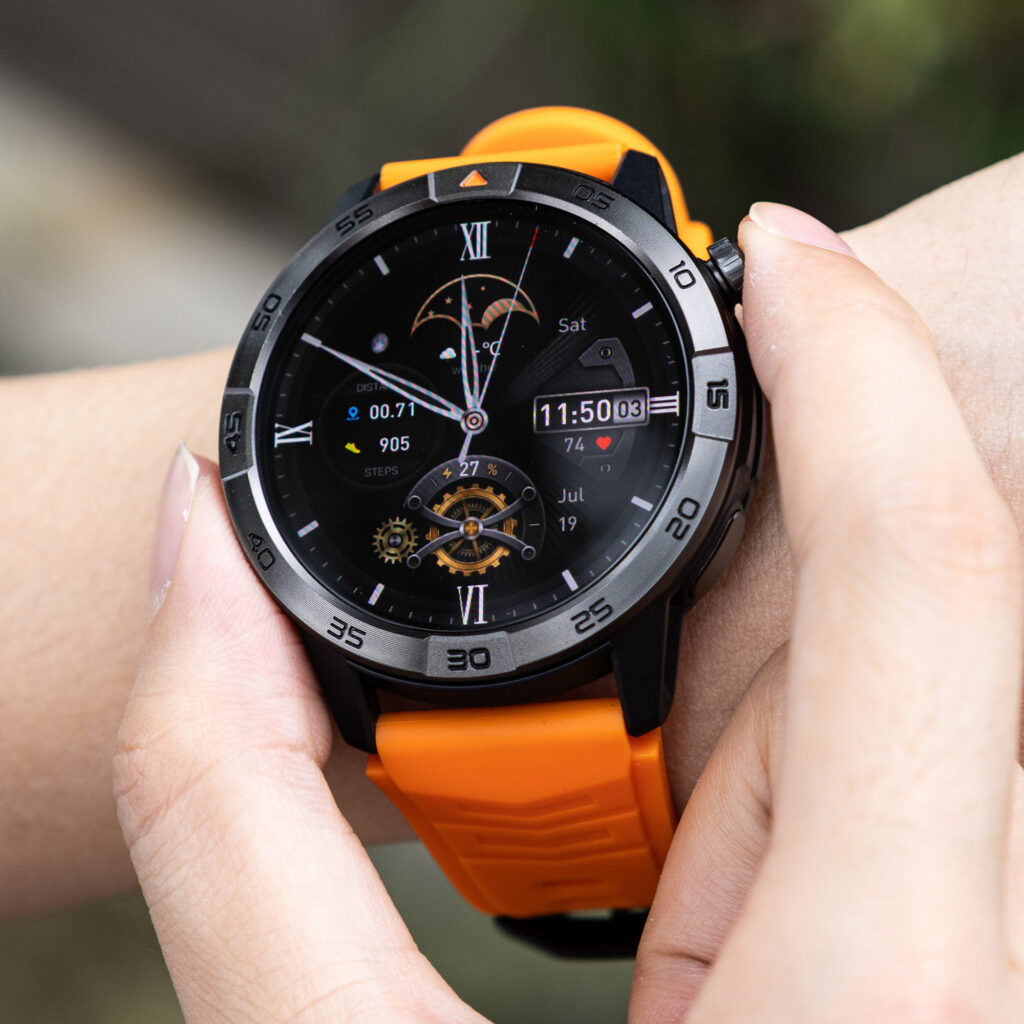
Omarek is sold as a smartwatch for men and women rather than as a kids’ device. Its round design and black or orange options may appeal to a student who wants a normal-looking watch for classes, activities, a part-time job, weekends, and use after graduation.
That design will not suit every wrist. A smaller or lighter watch may receive more consistent wear. Use the wrist-fit elimination test before treating a promotional image as proof of comfort.
Keep Omarek on the shortlist when: the student approves the design, accepts the case size, and sees at least three recurring reasons to wear it.
Choose another option when: the student dislikes the appearance, the watch feels oversized, or a different form factor is clearly more wearable.
Second Decision: Does the Phone Relationship Match the Family’s Expectation?
Calling is one of the easiest smartwatch features to misunderstand. A listing can say “calling” while the buyer imagines independent phone-free service.
Omarek documents Bluetooth calling. That makes it a connected accessory to a compatible phone, not a documented cellular replacement. The setup can be useful when the student normally carries a phone and wants to handle a suitable call or check selected alerts without immediately taking the phone out.
Before checkout, name the exact smartphone, operating system, companion application, permissions, and calling expectation. The smartwatch phone-fit guide can remove incompatible choices early. Android households should also verify the required Android app.
Families expecting phone-free communication should review the difference between Bluetooth calling and independent watch service. A cellular model is the better purchase when the phone will regularly be left behind and the family accepts any added hardware or service cost.
Why Omarek Becomes the Practical Joint Choice
Omarek wins for a specific family: the student already uses a smartphone, wants a general-purpose smartwatch, and does not need a child-focused management platform.
The student gets useful everyday access
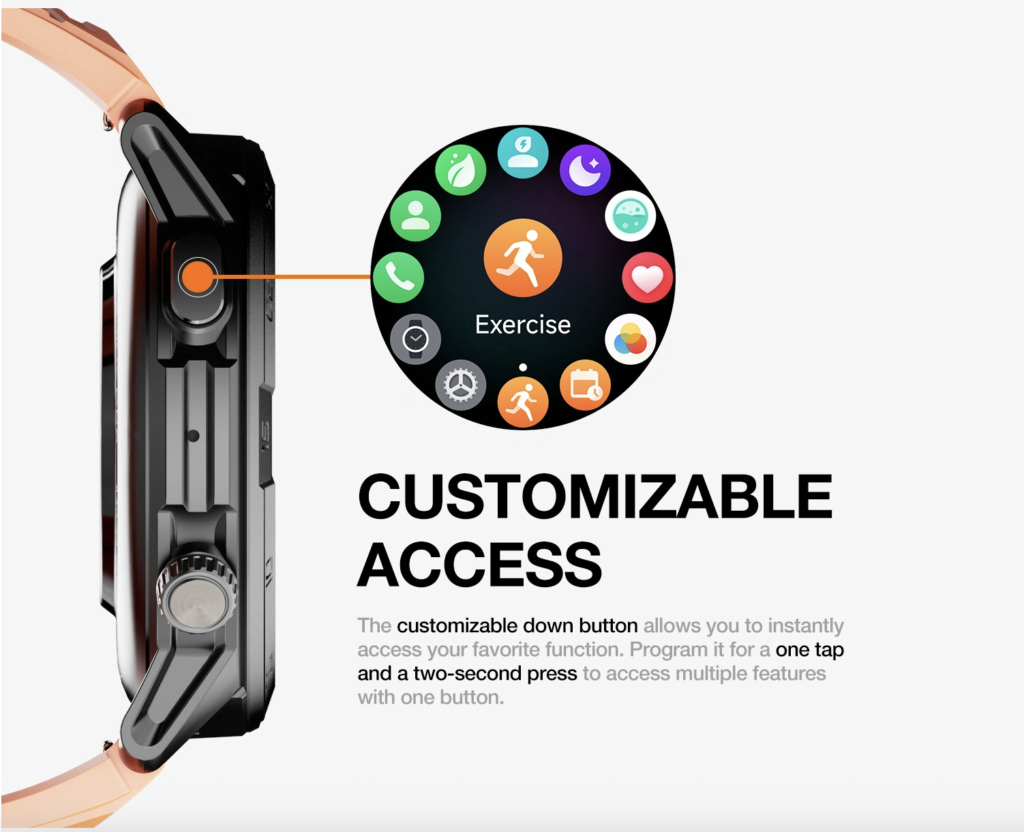
Bluetooth calling can reduce the need to reach immediately for the phone during an appropriate call. Selected notifications can surface information without opening every app. Alarms and calendar access can support recurring plans beyond the school day.
The parent avoids paying automatically for a premium ecosystem
The current product price is $150 with free shipping listed. That positions Omarek below the premium alternatives discussed later while still covering several common connected-watch jobs.
The purchase does not depend on a cellular plan
The main Omarek case is phone-connected use. That can reduce ongoing cost when standalone service is unnecessary, although the family must still verify the app, phone compatibility, and exact Bluetooth behavior.
The limits remain visible
The current page shows no published customer reviews. Battery life may be shorter than the seller-stated maximum of up to 30 days. Fit, app requirements, alerts, and calls should be tested rather than assumed.
Check Omarek’s Current $150 Offer and Product Details
Third Decision: Is Normal Ownership Appropriate, or Are Parent Controls Required?
This is where a general-purpose smartwatch and a managed youth watch separate.
Omarek fits a student who already has an established phone routine and can manage charging, alerts, permissions, and basic care. It is not presented as a parent-administered child platform.
The current listing does not document approved-contact management, remote parent administration, a child location dashboard, geofencing, School Time, or standalone cellular service. Those are not minor omissions when the family requires them.
Fitbit Ace LTE follows a different model. Google currently displays a $179.95 device price and requires an Ace Pass, listed at $9.99 per month or $119 per year, for calling, messaging, location, managed contacts, and School Time.
A parent may prefer those controls, while an older student may reject the child-focused position or continuing plan. The general-purpose versus child-managed watch comparison can help settle the category.
Choose Omarek when: normal personal ownership is appropriate and child-platform controls are unnecessary.
Choose a managed watch when: parent-controlled contacts, location access, scheduled restrictions, or remote administration are purchase requirements.
Fourth Decision: Does Paying More Solve a Weekly Problem?
A premium watch should cost more only when it unlocks something the student will use repeatedly.
At current official starting prices, Omarek costs $99 less than Apple Watch SE 3, $149.99 less than Garmin vívoactive 6, and $199.99 less than the 40mm Galaxy Watch8. Those savings matter when Bluetooth calling, notifications, alarms, and calendar access already cover the student’s weekly needs.
Apple Watch SE 3 starts at $249 and may be stronger for a compatible iPhone household. Its GPS model relies on a nearby iPhone through Bluetooth or Wi-Fi for calls, messages, and notifications; a cellular version can work without the iPhone nearby when an eligible plan is active.
Galaxy Watch8 starts at $349.99 for the 40mm model. It should receive the higher budget only when a specific Samsung or Android ecosystem capability changes the routine.
Garmin vívoactive 6 has a suggested retail price of $299.99, seller-stated battery life of up to 11 days, and more than 80 preloaded sports apps. That is a meaningful upgrade for structured training, not automatically for a student who mainly needs calls and alerts.
The Omarek student value review explains the value case. Families considering a higher tier can compare what additional spending unlocks.
Stay with Omarek when: the family cannot name a premium capability that will be used every week.
Pay more when: deep phone integration, independent service, or specialist training is central to the purchase rather than an attractive extra.
Fifth Decision: Who Owns the Daily Routine After Delivery?
The purchase is not complete when the package arrives. Someone must handle charging, pairing, app permissions, notification settings, cleaning, software issues, and early troubleshooting.
A high school student ready for a general-purpose smartwatch should accept most of that routine. The parent can help with setup and purchase records without becoming responsible for every missed charge or disabled permission.
Omarek’s seller-stated battery maximum may reduce charging frequency, but real battery performance depends on calls, display use, Bluetooth, alerts, settings, and other enabled functions. The family should judge the watch through the student’s normal week rather than assuming the maximum claim will apply.

Use the smartwatch ownership-effort test before ordering. After delivery, complete the first-week readiness checks while return options may still be available.
A simpler watch is the better purchase when the student does not want to manage Bluetooth, apps, alerts, and charging.
Three Purchases That Look Good at Checkout and Fail Later
The controlled watch the student stops wearing
The parent likes the managed contacts, location tools, and restrictions. The student dislikes the design or feels the ownership model is too young. The product can no longer deliver value when it stays at home.
The premium watch with no premium routine
The student wants the brand, apps, or cellular option. After purchase, the family discovers that calls, notifications, and basic schedule cues were the only regularly used functions. The higher price did not create a better week.
The inexpensive watch that causes a second purchase
The first price feels safe, but the watch fails on fit, phone compatibility, calling, or another requirement. Replacing it removes the original saving.
Agreeing on which notifications deserve wrist access can also prevent a useful watch from becoming another noisy screen.
When Omarek Should Not Be the Final Choice
Apple Watch SE 3 is the better fit when the student owns a compatible iPhone and will use Apple-specific features often enough to justify spending at least $99 more.
Galaxy Watch8 makes more sense when Samsung integration or a supported LTE option is central to the student’s routine.
For a sports-first buyer, Garmin vívoactive 6 deserves the higher price when structured training tools are the main reason for owning the watch.
Families that still require managed communication, location access, and scheduled restrictions should consider Fitbit Ace LTE or another parent-managed platform.
A basic watch remains the smarter purchase when timekeeping and alarms cover the entire need.
Honest elimination improves Omarek’s conversion quality. The brand should win qualified buyers, not families whose essential requirement belongs to another category.
Settle These Terms Before Anyone Places the Order
The appearance term
The student approves the case, color, strap, and likely everyday look. Avoid making the purchase a surprise when style can determine whether it is worn.
The phone term
Both people identify the exact phone, operating system, app, permissions, and expected calling arrangement.
The privacy and control term
The family agrees on selected notifications, privacy boundaries, and whether managed contacts or location controls are required.
The responsibility term
The student accepts charging, settings, basic care, and reporting problems early. The parent’s support role is limited and clear.
The return term
The watch should be reconsidered when fit is uncomfortable, required calling fails, the app is incompatible, essential alerts do not work, or a purchase-critical expectation was wrong.
The Parent-and-Student Decision Sheet
| Decision area | The student needs | The parent needs | Omarek position |
|---|---|---|---|
| Design | A watch worth wearing regularly | A design likely to remain useful | Round general-purpose styling |
| Fit | Comfort through normal daily wear | A workable return path if fit fails | Must be tested |
| Calling | Convenient access with the phone nearby | A clear understanding of the dependency | Bluetooth calling |
| Controls | Age-appropriate personal ownership | All required safeguards documented | No documented child dashboard |
| Price | Functions used throughout the week | No unnecessary premium spending | Current $150 general-use option |
| Maintenance | A routine the student will manage | No recurring parent burden | Depends on the student’s commitment |
| Trust | The delivered watch matches expectations | Claims and policies are verified | No current published reviews |
Before checkout, use the smartwatch listing decoder and purchase-claim evidence checks for any feature that controls the decision.
Where to Buy Omarek
Use the official Omarek product page to confirm the live price, free-shipping status, available color, phone compatibility language, battery wording, returns, warranty information, and current review count.
Do not rely on an old comparison price or a promotional image when either person’s approval depends on a specific term. Recheck competitor pricing and service requirements as well because promotions and configurations can change.
Questions Parents and High School Students Should Answer Together
Is Omarek too large for a high school student?
Compare the case and strap with the student’s wrist, then test comfort during the return period.
Will a high school student actually wear Omarek?
Its round design may appeal to a student who does not want a child-oriented device, but the student should approve it before ordering.
Can Omarek make calls without a phone nearby?
The current listing documents Bluetooth calling, not standalone cellular service. Expect the verified paired-phone arrangement to support calling.
Does Omarek have parental controls?
The current listing does not document managed contacts, a parent dashboard, geofencing, School Time, or remote administration. A managed youth watch is better when those tools are required.
Is Apple Watch worth paying more for in high school?
Yes, when the student has a compatible iPhone and repeatedly uses Apple-specific features or eligible cellular service. Otherwise, Omarek may cover the full need.
Is Garmin better for a high school athlete?
Garmin may be stronger when structured training is the main purchase purpose. Omarek remains the general-use choice when fitness is secondary.
What should parents verify before ordering?
Verify phone setup, calling dependency, fit, price, shipping, returns, warranty terms, documented controls, and reviews.
What should the student agree to manage?
The student should accept charging, notification settings, app permissions, basic care, and early troubleshooting.
What should cause a return review?
Uncomfortable fit, failed compatibility, misunderstood calling, missing required controls, or unreliable essential alerts should trigger a prompt review of the return options.
Where should a family buy Omarek?
Buy through the official Omarek store after both people review the live product and purchase terms.
The Best Choice Is the Watch Both People Will Keep
A student-only decision can lead to overpaying. A parent-only decision can lead to a watch that is rarely worn. The strongest purchase meets both standards.
Omarek is the best shared-value choice for a phone-ready high school student who wants a general-purpose smartwatch and a parent who accepts Bluetooth calling without child-platform controls. Another category should win when cellular independence, managed safeguards, deep ecosystem integration, or specialist sports tools are essential.
Ready to Choose the Watch Both Sides Approve?
Omarek makes the strongest case when the student approves the design and everyday role, while the parent approves Bluetooth calling, the current $150 price, the phone setup, and the lack of child-platform controls.
Confirm the live price, compatibility, fit, returns, and warranty terms on the official product page.
Check Omarek’s Current Price and Buy From the Official Store