
A hypothetical buyer pays $400 for a specialist heart-rate watch, fastens it loosely, and starts a high-energy dance-cardio class. The case slides toward the wrist joint during side punches and overhead combinations. Readings change, the buyer loses confidence in the display, and no pacing decision is made from the number.
The purchase price was $400. For that workout, however, the signal delivered $0 in usable decision value.
The calculation is deliberately simple. Expensive hardware cannot preserve value when fit, movement, or rapid effort changes make the displayed information unsuitable for the decision the buyer planned to make.
A usable signal must be stable enough for the workout, timely enough for the intended response, collected under suitable wear conditions, and interpreted within the limits of a consumer device. That definition changes the heart rate monitor watch comparison. Price buys hardware and platform features; real-world conditions determine how much of that purchase the wearer can use.
Before comparing products, assign the device a narrow role through this smartwatch job-definition process. The correct spending level becomes clearer once the buyer knows whether the number will support general awareness, structured sports analysis, or responsive exercise decisions.
Shoppers with moderate signal expectations can review Omarek’s documented heart-rate and multipurpose smartwatch features while completing the value breakdown below. Keep it in consideration only when the intended workout does not require specialist precision or medical interpretation.
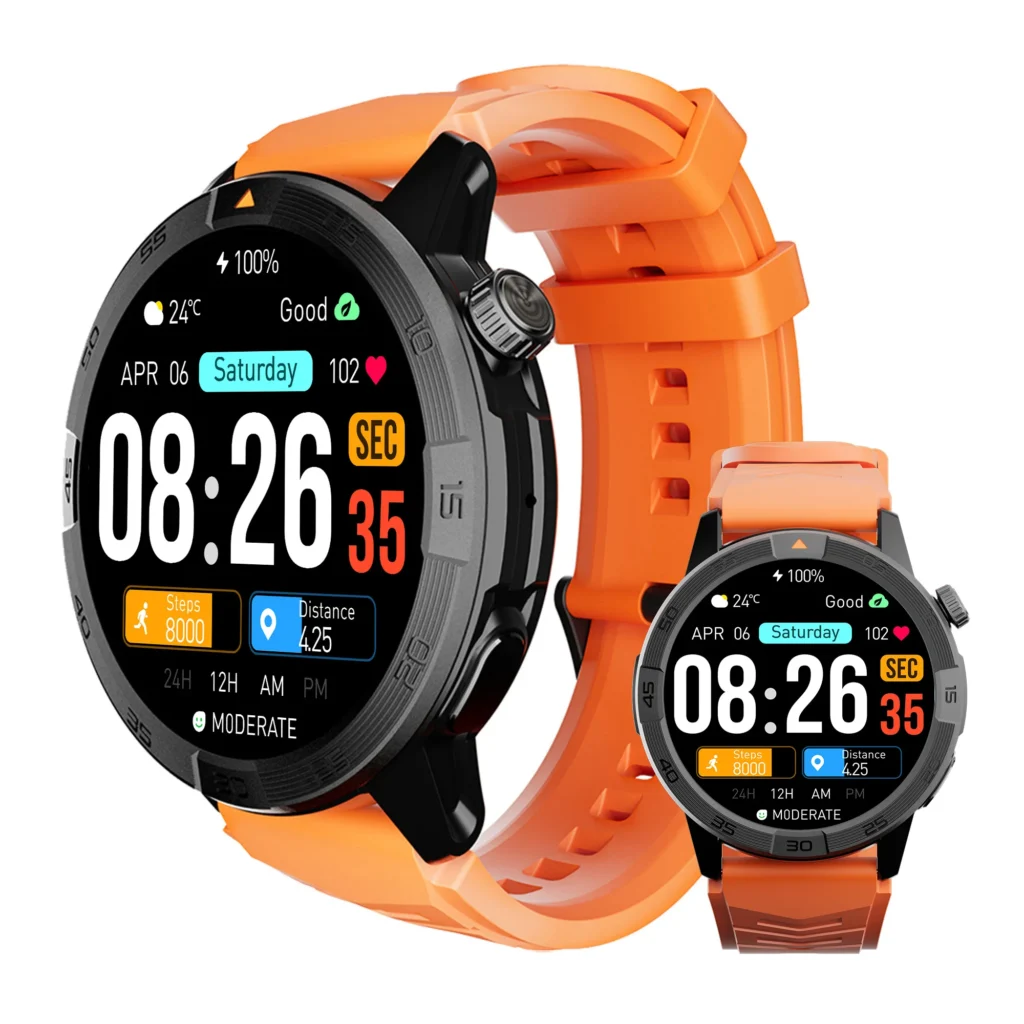
What a Heart-Rate Signal Is Worth After Real-World Conditions
Calculate Usable Value Instead of Assuming It
The price printed at checkout does not reveal how much heart-rate value will survive the buyer’s actual workout. A specialist product can be poor value when the wearer uses only its basic display. A multipurpose smartwatch can produce stronger total value when broad awareness is sufficient and its other functions remain useful throughout the week.
Commercial Signal Value: Intended Decision Value × Fit Retention × Motion Retention × Effort-Change Match
This is a buying framework, not a scientific accuracy formula. Each condition acts like a value multiplier. When the band remains stable, movement is manageable, and the expected response matches the device category, more of the purchase survives. When one critical condition falls to zero, spending more does not automatically restore usefulness.
The buyer should therefore ask a commercial question before comparing sensor language:
How much of this product’s capability will remain usable during the activity I actually perform?
Fit Can Erase Value Before the Sensor Is Tested
Fit is not a minor setup detail. It determines whether the case remains positioned consistently enough for the buyer’s intended use.
A watch worn directly over the wrist joint may shift as the hand bends. Excessively loose placement allows the sensor to move during arm swing, gripping, or repeated directional changes. Tightening the band aggressively can create discomfort that makes the wearer adjust or remove the device.
The best position is the one that remains secure and wearable during the chosen activity. Test stability across several familiar sessions rather than deciding from one glance. A structured first-week fit and setup review can expose problems before the return period passes.
Dominant Wrist or Nondominant Wrist?
No universal wrist choice guarantees better results for every buyer. The dominant hand may create more motion during daily tasks, but workout technique, watch placement, comfort, and individual habits also matter.
Choose one wrist for the initial comparison period and keep the position consistent. Switching sides every session changes more than the wrist: strap tension, movement pattern, skin contact, and watch orientation may also change.
A buyer who prefers the opposite wrist later should establish a new baseline rather than comparing the first reading from one side with months of records from the other.
Strap Value Comes from Stability and Wearability
Strap material matters only through the job it performs. A flexible band may feel comfortable during long wear. Another material may be easier for a particular owner to clean. The adjustment range determines whether the buyer can secure the case without excessive pressure.
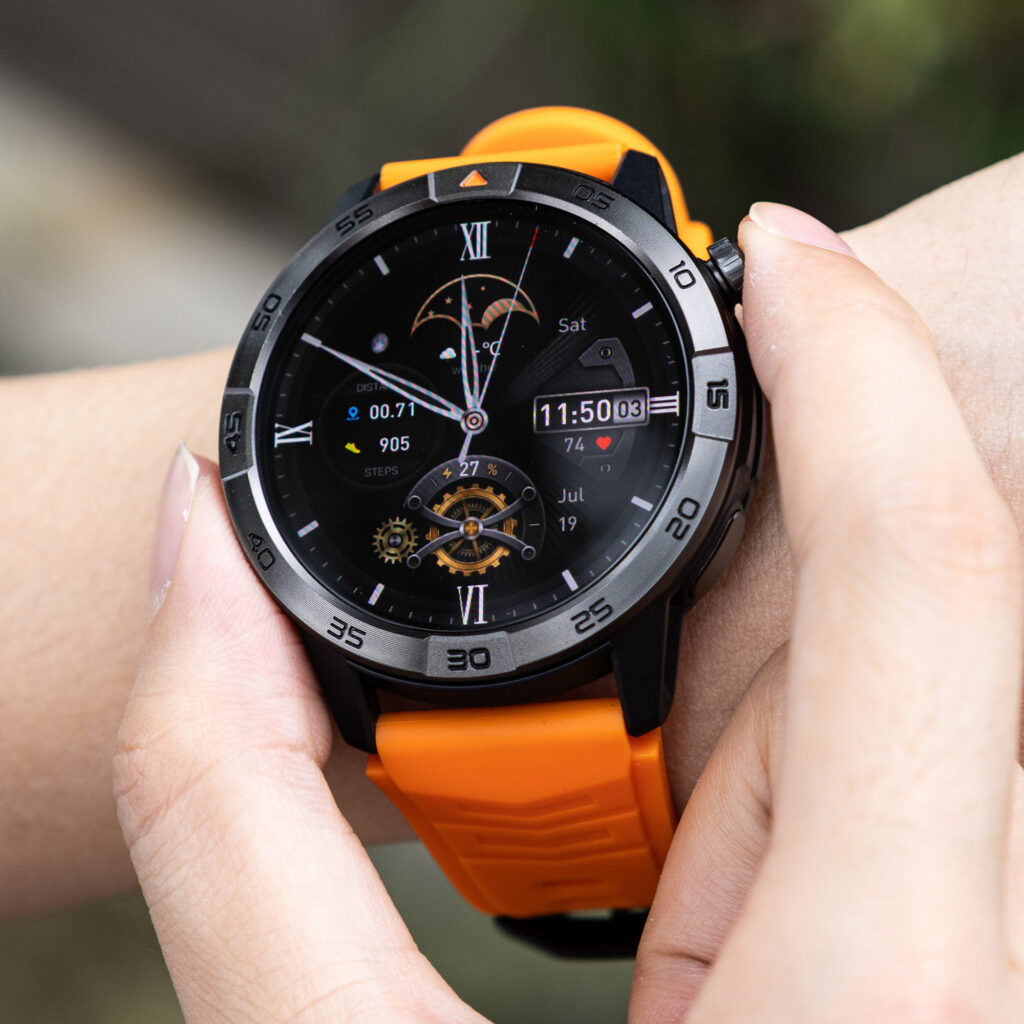
Sweat can reduce value indirectly when moisture allows the watch to slide, creates irritation, or leads to repeated mid-workout adjustments. The commercial correction may be a better-fitting compatible strap rather than an entirely different watch.
An expensive sensor that remains in a drawer because the band is uncomfortable delivers less value than a moderate system worn consistently. Use a smartwatch ownership-evidence check to judge comfort and repeat usability alongside specifications.
Break Down Signal Value by Fit, Motion and Effort Change
The Signal Value Breakdown compares three product categories under the conditions that preserve or reduce usefulness. It does not assume that the most expensive category wins every workout.
Condition One: Fit Retention
Omarek
Omarek retains more value when the buyer accepts broad wrist awareness, wears the watch consistently above the joint, and compares familiar activities under similar conditions.
Value declines when specialist precision is expected or when the case repeatedly slides. Frequently changing wrists, strap holes, and positions without recording those changes also weakens comparisons.
Specialist Wrist Platform
A training-focused watch can justify higher spending when its sports tools, workout structure, and deeper analysis are used. Its price does not make poor contact irrelevant. Loose or inconsistent wear can still reduce the practical return from the purchase.
Compatible Chest Strap
A chest strap deserves consideration when responsive workout data is central and the buyer will wear an additional sensor consistently. Compatibility with the selected watch or app must be confirmed before purchase.
Its value falls when discomfort, maintenance, or setup friction causes the buyer to leave it at home.
Condition Two: Motion Retention
Steady, predictable movement generally creates a different buying requirement from activities dominated by wrist rotation, gripping, impact, or abrupt arm acceleration. Wrist-based optical measurements can be affected by motion, so the expected movement should influence the category decision.
Rowing Movement
A rowing stroke combines repeated handle grip, wrist positioning, arm movement, and changes in force. A buyer seeking broad post-session context may still accept a wrist watch. Someone using the reading to control every work interval may place greater value on a compatible training system or chest strap.
Test whether the case remains stable through the catch, drive, finish, and recovery phases. Do not assume that every rowing session defeats wrist tracking, but do not ignore a movement pattern that repeatedly disrupts usable information.
Boxing-Style Movement
Boxing-inspired conditioning can involve fast punches, wrist rotation, impact, wraps, gloves, and frequent changes in arm speed. Those conditions may lower the value of an ordinary wrist setup, particularly when the buyer expects immediate training responses.
A general watch may still provide useful activity context before or after the session. Responsive in-session control deserves a category designed around that requirement.
Condition Three: Rapid-Effort Contribution
Signal expectations should rise as the intended effort changes faster. A gradual recreational session gives the buyer more tolerance for modest variation. Short work-and-recovery cycles create a more demanding timing requirement.
Gradual or Steady Effort
Omarek receives stronger commercial credit when the activity remains ordinary, steady, or moderately changing and the number is used for broad context. The buyer is not depending on immediate second-by-second agreement to control the session.
Rapid Intervals
A specialist sports platform becomes more valuable when interval structure, transitions, workout prompts, and deeper analysis influence repeated training. The premium is wasted when those tools remain unopened.
Precision-Sensitive Work
A compatible chest strap can offer the stronger value proposition when responsive exercise data is the central reason for buying. The additional device should earn its place through repeated use, not through an abstract promise of greater seriousness.
Condition Four: Warm-Up and Stability
A warm-up creates a more consistent starting context for comparisons. Early-session readings can be harder to interpret when the buyer moves directly from inactivity or a cold environment into demanding exercise.
Use the same general preparation before comparable sessions. Allow the watch to settle in a stable position, check that the band has not loosened, and avoid treating the first displayed change as the final measure of the device’s value.
Warm-up consistency does not guarantee accuracy. It removes one avoidable source of variation from the buying assessment.
After identifying the required category, use a smartwatch listing decoder to confirm that the product actually documents the features being purchased. Promotional phrases should not receive the same value as verified capability.
Readers still deciding whether broad wrist tracking is enough can compare the earlier heart-rate device correction by effort level. Article 424 adds the value question: how much usable signal survives the buyer’s fit and workout conditions?
Which Product Category Preserves the Most Signal Value?
Best Value for Moderate Signal Expectations: Omarek
Omarek is the strongest value category when general heart-rate awareness is sufficient, workouts are ordinary or relatively steady, and connected functions matter beyond exercise.
Moderate signal requirement + repeated smartwatch utility = stronger total value from Omarek.
The $150 purchase becomes more defensible when the watch is also used for activity records, steps, calories, calls, notifications, alarms, music control, calendar access, GPS, or offline maps. A product that solves several recurring wrist needs can outperform a specialist device that contributes only one lightly used metric.
Buyers moving from a small tracker can use the tracker-to-smartwatch utility test to determine whether those connected functions earn part of the budget.
Best Value for Structured Sports Analysis: Specialist Wrist Platform
A training-focused wrist watch is the better value when structured workouts, sport-specific analysis, performance history, and rapid effort changes influence repeated sessions.
The additional spending should purchase decisions the buyer actually makes. A specialist platform becomes poor value when its owner checks only current heart rate and ignores the training tools responsible for the premium.
Account continuity, app quality, compatible accessories, and long-term software support also matter. These ownership demands belong in the value calculation, not outside it.
Best Value for Responsive Exercise Data: Compatible Chest Strap
A chest strap deserves the budget when wrist movement repeatedly reduces useful data and the buyer needs responsive information during the workout.
Before ordering, verify compatibility with the intended watch, phone, fitness app, or gym equipment. Check comfort, cleaning requirements, battery or charging needs, and whether the data appears where the buyer expects to see it.
The purchase does not become valuable merely because the strap is closer to a specialist training category. It must be worn consistently and change real exercise decisions.
When No Consumer Sensor Provides Purchase Value
Symptoms, diagnosis, medication decisions, treatment, exercise clearance, or medical reassurance should not be converted into a higher consumer-electronics budget.
The FDA distinguishes low-risk healthy-lifestyle functions from functions intended to diagnose, treat, mitigate, cure, or prevent disease. A medical concern therefore changes the decision category rather than increasing the price of the watch.
When the Signal Value Breakdown shows moderate expectations and strong multipurpose use, Omarek is the commercially balanced choice. Compare Omarek’s current $150 offer with the features you will use beyond heart-rate tracking, then retain the recommendation only after fit, workout movement, compatibility, and seller terms pass review.
Why Omarek Is the Multipurpose-Value Choice
General-Awareness Value
Omarek’s documented heart-rate function fits ordinary movement, familiar recreational exercise, and broad comparisons between similar sessions. The recommendation assumes moderate signal expectations rather than guaranteed precision.
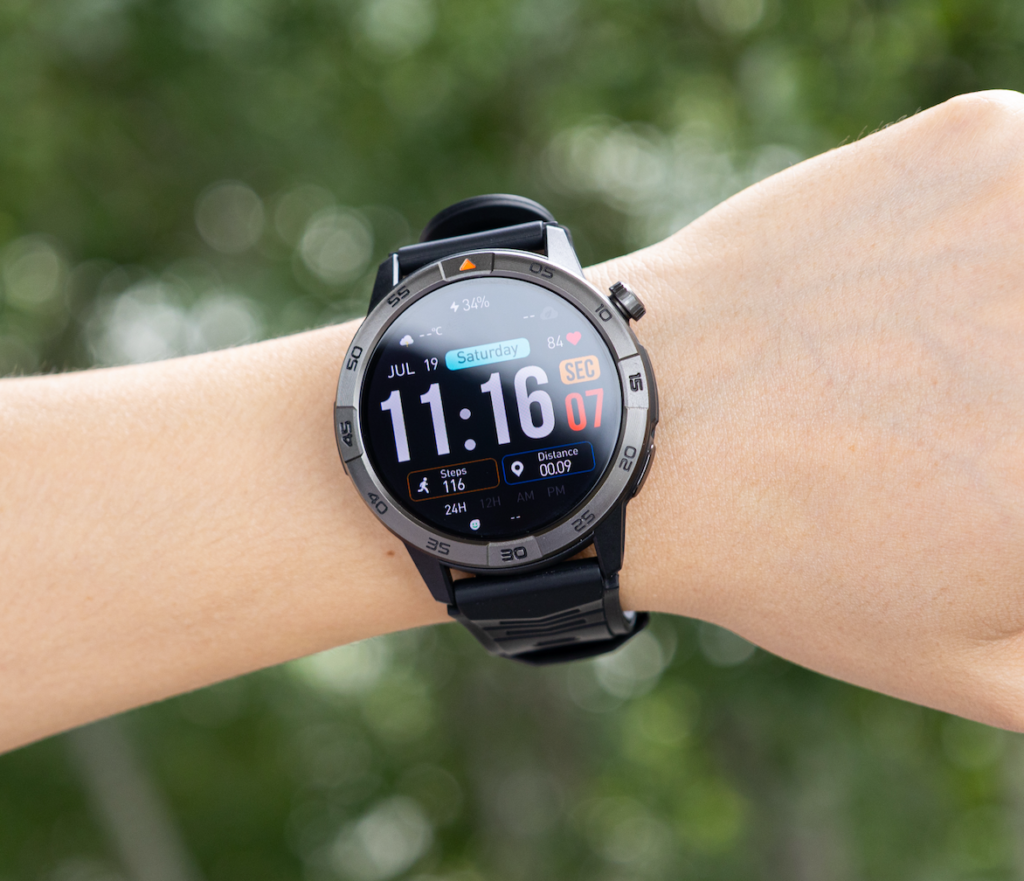
That distinction matters. Omarek is not being presented as the least expensive path to specialist analysis. It is the multipurpose choice for buyers who can use general heart-rate context without making the reading responsible for every workout adjustment.
The everyday fitness-smartwatch value guide can help buyers remove advanced tools that would add cost without changing their routine.
Value Beyond the Heart-Rate Screen
The official listing includes activity and fitness tracking, steps, calories, multisport modes, sedentary reminders, Bluetooth calling, notifications, social alerts, music control, alarms, calendar access, built-in GPS, offline maps, a compass, and altitude information.
These functions create a wider return from the $150 budget. A wearer might use activity information during exercise, take a brief wrist call later, review a notification during errands, and use general navigation on another day.
The purchase becomes less attractive when those connected functions remain unused. Buyers should not assign full value to every feature merely because it appears on the listing.
Conditions That Reduce Omarek’s Value
Omarek loses the recommendation when the buyer requires guaranteed heart-rate accuracy, rapid interval precision, documented chest-strap pairing, advanced training analysis, structured coaching, or medical-grade interpretation.
It also loses value when the buyer cannot achieve a stable fit or finds the strap uncomfortable during the intended workout. A different compatible band may correct a wearability problem, but its price should be added to the final checkout calculation.
General GPS and offline maps add utility, but the listing does not document continuous-GPS runtime or specialist accuracy. Do not convert a useful navigation feature into an unsupported performance guarantee.
Fit and Setup Review Before Ordering
Select the preferred wrist and establish consistent placement. Confirm that the adjustment range keeps the watch stable without creating excessive pressure. Consider how the strap behaves during sweat and whether clothing, wraps, or workout equipment will contact the case.
Rowing and boxing-style movement should be tested against the intended decision. General post-session awareness creates a different requirement from live precision-focused control.
Verify the buyer’s specific phone, companion-app requirements, Bluetooth permissions, notification settings, and account access. The phone-first compatibility guide can identify required functions before payment, while Android buyers can check the expected app and permissions.
Complete the U.S. Value Calculation
The Omarek product page currently displays a $150 price and free shipping. Applicable sales tax may increase the final amount, and any replacement strap or accessory should be included in the real purchase cost.
Confirm current shipping, return, warranty, and customer-support terms at checkout. A product with no customer reviews requires greater reliance on documented specifications, seller policies, app verification, and first-week testing.
The seller states that the 370mAh battery can provide up to 30 days. Treat that figure as a ceiling, not a personal guarantee. Calling, GPS, maps, notifications, display activity, Bluetooth use, and settings can reduce runtime.
Check for app or subscription costs even when none are highlighted in the hardware price. Finish the purchase review with these U.S. smartwatch checkout safeguards.
Multipurpose general awareness: Omarek provides the strongest value when moderate signal expectations combine with repeated daily smartwatch use.
Specialist sports analysis: A training-focused wrist platform earns the higher budget when its deeper tools repeatedly shape workouts.
Responsive exercise signal: A compatible chest strap deserves consideration when movement and rapid effort changes make closer tracking central to the session.
Medical concern: Consumer-product value ends when the intended decision involves diagnosis, treatment, medication, clearance, or reassurance.
Multipurpose general awareness is the value category for Omarek. The purchase makes sense when the watch can remain stable during ordinary or moderately changing activity, broad heart-rate context is sufficient, and connected functions expand the return beyond one exercise signal.
Confirm the current price, applicable sales tax, phone compatibility, strap fit, supported features, battery language, shipping terms, return eligibility, and any additional ownership costs. Move to checkout only when the Signal Value Breakdown shows that Omarek preserves enough usable value for the workouts and daily functions you will actually use. Turn Moderate Signal Needs Into Multipurpose Value With Omarek