
A shopper sees 138 beats per minute while clearing wet leaves from a sloped driveway. By that evening, the search has shifted to “most accurate heart monitor watch,” chest straps, sports platforms, and advanced health alerts.
One question was skipped: what decision was that number supposed to change?
Perhaps the buyer only wanted broad awareness that the yard work felt harder than usual. Maybe the number was meant to help maintain a steady recreational effort. A training-focused shopper could need responsive data during rapid intensity changes. Someone worried about a symptom may be seeking reassurance that no consumer watch should be expected to provide.
Buying the device before defining the purpose turns a single number into false confidence. The correct product depends on the type of effort, the speed at which the effort changes, the acceptable amount of variation, and the consequence of acting on the reading.
Start by writing a narrow job description for the smartwatch. Heart-rate information deserves purchase weight only when the buyer knows how it will influence pacing, awareness, or training.
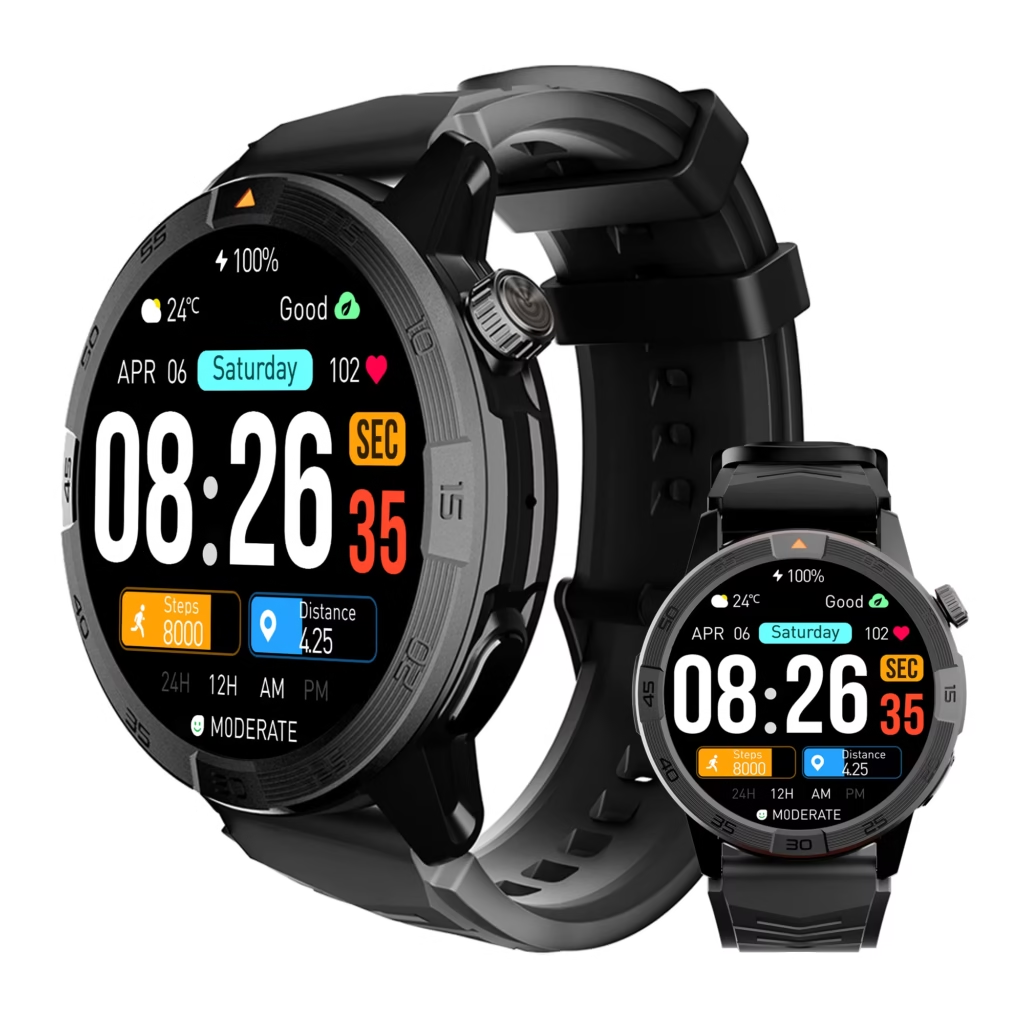
Buyers considering broad wrist awareness can inspect Omarek’s documented heart-rate, activity, and connected features before deciding how much precision the intended effort truly requires. Keep it under consideration only when general context—not specialist or medical interpretation—is the actual goal.
Heart-Rate Watch Mistakes That Lead to the Wrong Purchase
The first commercial correction is to stop treating “heart-rate monitoring” as one universal product requirement. Each mistake-and-correction card below identifies a different reason shoppers pay for the wrong category.
Mistake One: Treating One Reading as Complete Evidence
Mistaken expectation: A single number can confirm exercise quality, fitness, recovery, sensor accuracy, safety, or health status.
What changes the interpretation: Recent movement, effort type, posture, watch fit, environmental conditions, and the purpose of checking the number.
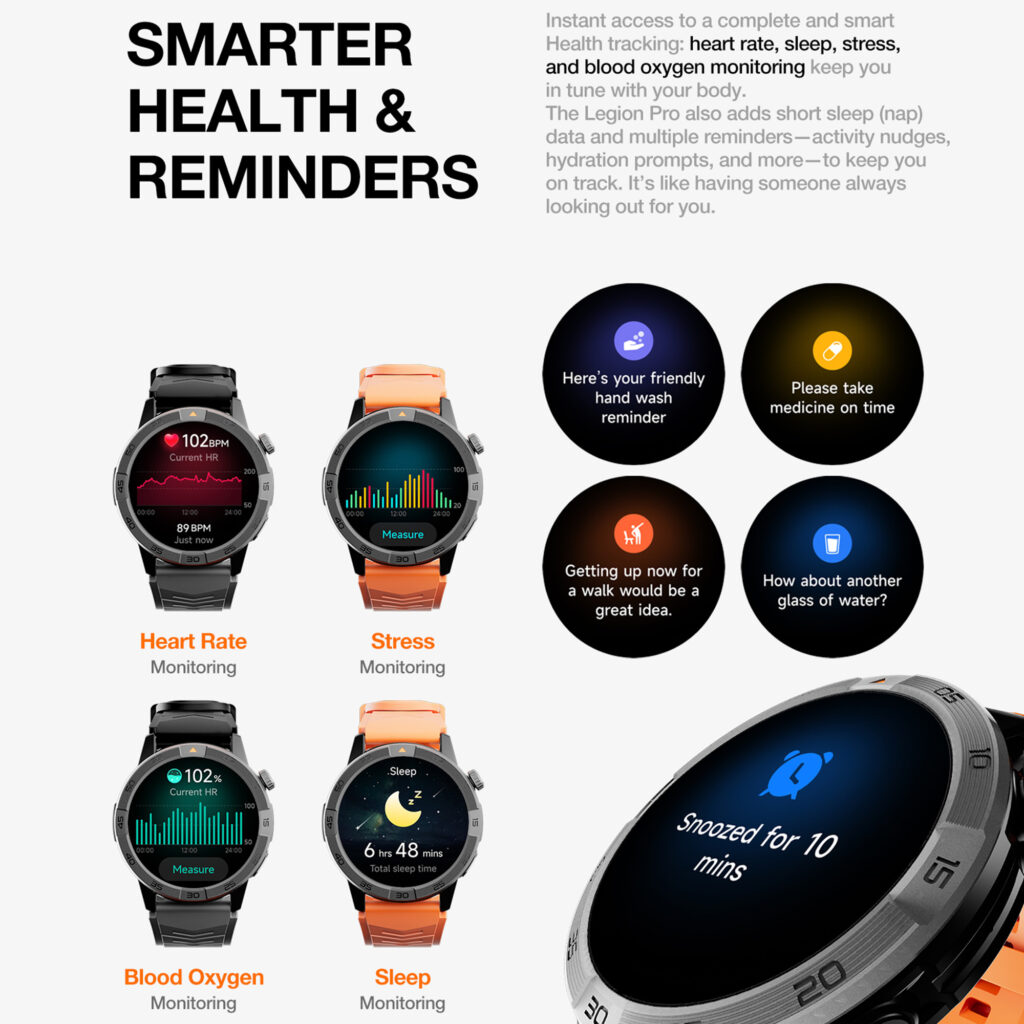
Corrected expectation: A consumer wrist reading can provide broad context, but it does not explain the entire session or establish a medical conclusion.
Purchase consequence: General awareness does not automatically require a premium sports platform. Medical reassurance cannot be purchased by moving to a more expensive consumer watch.
Mistake Two: Expecting One Device to Fit Every Effort Band
Mistaken expectation: A watch that works for ordinary movement must be equally suitable for fast intervals, precision-managed training, and health concerns.
What changes the requirement: Rapid intensity shifts create a different job from steady activity. A narrow training zone carries a different tolerance for delay than a general glance during everyday movement.
Corrected expectation: Device depth should rise only when the buyer’s intended effort and decision genuinely demand it.
Purchase consequence: Omarek can fit general wrist awareness. Structured sports analysis or responsive training data may justify a dedicated sports platform or chest strap.
Mistake Three: Blaming the Sensor Before Checking the Fit
Mistaken expectation: An unexpected reading proves that the hardware category is inadequate.
What changes the reading: A loose band, placement directly on the wrist joint, repeated device movement, and a sleeve pushing against the case can weaken consistent contact.
Corrected expectation: Test a stable, comfortable position during several familiar sessions before replacing the device.
Purchase consequence: A more expensive watch does not correct careless wear. Complete a first-week fit and function check before deciding that a different sensor system is necessary.
Mistake Four: Expecting Perfect Wrist Data During Heavy Motion
Mistaken expectation: A general wrist device should respond cleanly during repeated gripping, forceful wrist flexion, vibration, and fast changes in effort.
What changes the reading: Optical wrist signals can be affected by motion artifacts, particularly when arm and hand movement interfere with stable sensor contact.
Corrected expectation: Broad wrist context may remain sufficient for steady recreation, while precision-sensitive exercise deserves equipment designed for that job.
Purchase consequence: A shopper doing repeated sled pushes, battle-rope rounds, or hard stop-start conditioning should not assume that another general smartwatch solves a signal-capture problem.
Mistake Five: Reacting to Every Change on the Screen
Mistaken expectation: Every higher or lower reading represents a product failure or a meaningful health event.
What changes the context: Cold conditions, recent activity, caffeine intake, stress, posture, and repeated checking can make one session difficult to compare with another.
Corrected expectation: Compare familiar efforts under reasonably similar conditions. Caffeine should be recorded as session context rather than automatically blamed on the watch; research on its heart-rate effects varies with dose, exercise, and the outcome being measured.
Purchase consequence: Do not upgrade hardware merely because two sessions conducted under different conditions produced different numbers.
Mistake Six: Shopping for Reassurance
Mistaken expectation: A wrist product can explain a symptom, rule out a problem, determine treatment, or clear someone for exercise.
What changes the category: The moment the intended decision becomes medical, the comparison is no longer between an affordable smartwatch, a sports watch, and a chest strap.
Corrected expectation: Consumer watches can support general wellness awareness. Symptoms, diagnosis, treatment, medication, and medical clearance require appropriate professional guidance.
Purchase consequence: Use a responsible wellness-versus-medical boundary instead of searching for stronger reassurance language on a product page.
Evaluate Heart-Rate Tracking Through Pacing, Awareness and Context
The Pacing Test
Ask what pacing means during the intended activity. Broad pacing may simply mean noticing that an effort feels lighter, moderate, or harder than a familiar baseline. That use can be compatible with general wrist awareness.
Precision-sensitive pacing is different. A shopper who intends to react immediately to fast changes or remain inside a tightly managed training range places greater weight on responsiveness and signal stability.
Do not let sensor advertising answer this question. The buyer must first decide how much delay or variation would make the information unusable.
The Awareness Test
Occasional context creates a lighter requirement than continuous decision-making. A wearer who checks the screen once during an easy recreation session may gain useful awareness without expecting exact second-by-second agreement.
More frequent checking does not necessarily produce more useful control. Staring at the watch every minute can interrupt natural pacing and encourage overreaction to normal fluctuations. Select a review interval before the activity begins instead of chasing each displayed change.
Buyers who need general information across several ordinary activities can compare the broader ownership role through this fitness-monitor lifestyle assessment.
The Context Test
A tattoo beneath the optical sensor may affect some devices or wearers, but the result should not be assumed in advance. Test the intended wrist, compare stable activities, and avoid claiming that one study predicts every watch-body combination.
Cold-weather readings also need caution. Cooling can reduce peripheral optical signal strength, so the buyer should allow time to warm up, secure the fit, and compare the result with perceived effort rather than treating one outdoor value as final evidence.
Loose sleeves can push the watch toward the wrist joint or lift one side of the case. Gripping fixed gym handles may also change wrist position and sensor contact. Before replacing the watch, repeat the activity with a stable band and without fabric pressing against the device.
Use a product-evidence review to distinguish a repeatable limitation from one unexplained screen reading.
The Effort Error Report
The Effort Error Report converts an uncertain heart-rate complaint into a commercial buying correction. It is not a medical assessment.
Intended effort: Record whether the activity is everyday movement, steady recreation, rapidly changing training, or precision-sensitive exercise.
Decision from the number: State whether the reading will support a broad pacing check, a comparison with a familiar session, an immediate training adjustment, or another purpose.
Acceptable delay or variation: Identify how much imperfection the decision can tolerate before the reading loses value.
Likely movement interference: Note repeated wrist flexion, impact, vibration, gripping, or fast arm movement.
Fit conditions: Record band stability, sensor position, sleeve contact, and whether the watch shifts during effort.
Environmental and routine context: Note cold exposure, unusual caffeine intake, recent activity, and other differences from the buyer’s familiar session.
Consequence of an inaccurate reading: Separate harmless curiosity from a training decision or a medical concern.
Corrected category: Select general wrist awareness, sports-platform depth, a compatible chest strap, or appropriate professional guidance.
The report should be completed before comparing product listings. A smartwatch specification decoder can then confirm whether the selected category documents the capabilities being purchased.
Best Choice for General Wrist Awareness: Omarek
Where Omarek Fits Responsibly
Omarek is the best choice in this guide for buyers who need broad heart-rate context during everyday movement or relatively steady recreation and do not require precision-focused training data.
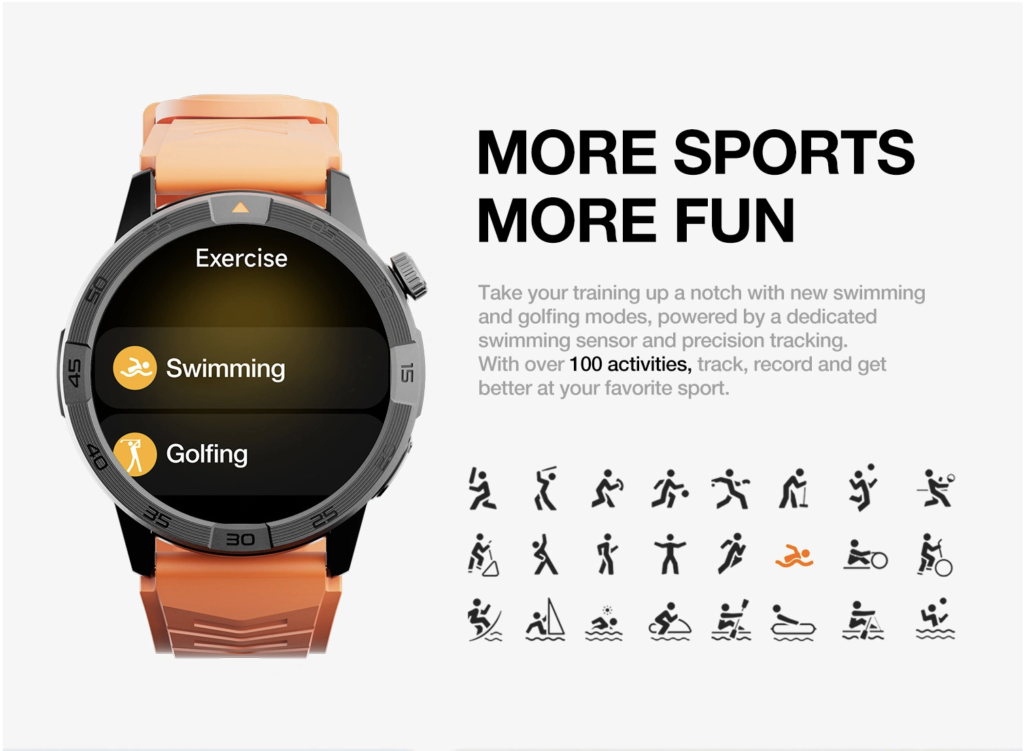
Its official listing documents general heart-rate monitoring, activity and fitness tracking, steps, calories, multisport modes, and sedentary reminders. These functions can support awareness and broad comparisons without turning a wrist value into medical evidence.
A shopper using the number as one part of an ordinary activity record may receive enough information without paying for a specialized training platform. The everyday smartwatch fitness comparison can help remove advanced metrics that will not change the routine.
Why the $150 Purchase Can Cover More Than Heart Rate
Omarek is currently listed at $150 with free shipping. A heart-rate-only buyer may find a narrower device more economical. The case becomes stronger when the watch also handles Bluetooth calls, notifications, music controls, alarms, calendar access, built-in GPS, offline maps, compass information, and altitude information.
That broader feature set can justify the purchase when heart-rate awareness is only one recurring wrist function. Buyers moving from a small tracker can assess whether the added utility warrants the category change through this tracker-to-smartwatch consolidation check.
Where Omarek Should Not Receive the Order
The listing does not document medical-grade heart monitoring, diagnosis, exercise clearance, chest-strap pairing, advanced training readiness, detailed recovery guidance, or specialist performance analysis.
Omarek should step aside when rapid interval response or precision-sensitive exercise controls the purchase. A compatible sports platform and chest strap may better serve those requirements.
The watch should also leave the comparison entirely when the buyer’s real objective is to explain symptoms, make treatment decisions, or receive reassurance.
Test Fit Before Replacing the Category
Wear the watch in a stable position above the wrist joint. The band should remain secure without creating excessive pressure. Keep loose fabric away from the sensor and repeat the test during several familiar sessions.
Do not judge the category from a single glance after adjusting the strap, gripping equipment, or moving between cold and warm conditions. The longer-term fitness-watch value test can help prevent a one-session reaction from becoming an unnecessary replacement.
The search can stop with Omarek when the Effort Error Report confirms that broad wrist context is enough. Review Omarek’s current $150 offer and everyday monitoring features, then verify phone compatibility, fit expectations, shipping, and return terms before keeping it as the corrected purchase.
Match the Device to the Effort Band
Effort Band One: Everyday Movement
Mistaken purchase: Paying for precision-focused hardware because every value shown during errands, housework, or low-pressure movement is expected to be exact.
Correct category: Omarek or another general wrist device when the buyer needs broad awareness and accepts ordinary wrist-sensor limitations.
The value increases when calls, notifications, reminders, and other daily tools will also be used. A heart-rate-only requirement may justify a simpler purchase.
Effort Band Two: Steady Recreational Exercise
Mistaken purchase: Assuming that useful pacing context always requires a premium sports ecosystem.
Correct category: Omarek when the intended activity remains relatively steady and the buyer wants a general record rather than tightly controlled training data.
This category suits buyers who compare familiar effort cautiously and review the number as context rather than a command.
Effort Band Three: Rapidly Changing Training
Mistaken purchase: Expecting a general wrist watch to behave like a training system during repeated accelerations, recovery periods, and abrupt changes in intensity.
Correct category: A sports-focused platform becomes stronger when workout structure, responsiveness, and performance analysis repeatedly influence the session.
The buyer should confirm that the platform documents the training tools required rather than assuming that a higher price guarantees them. The fitness-smartwatch buying framework can clarify when deeper workout support earns the additional cost.
Effort Band Four: Precision-Sensitive Exercise
Mistaken purchase: Replacing one wrist watch with another when the actual problem is motion-sensitive signal capture.
Correct category: A compatible chest strap deserves consideration when close, responsive training data controls the buying decision.
Confirm accessory compatibility, comfort, battery or charging requirements, app behavior, and how the data appears during the intended workout. A chest strap is still a training tool, not a diagnostic guarantee.
Effort Band Five: Symptoms or Medical Concerns
Mistaken purchase: Comparing consumer devices to obtain diagnosis, reassurance, medication direction, or clearance for exercise.
Correct category: Appropriate professional evaluation rather than an Omarek watch, premium sports platform, or chest strap.
General wellness features are meant to support healthy-lifestyle awareness, not replace medical decisions. That boundary should be settled before checkout.
Correct the Heart-Monitor Purchase Before Checkout
When General Wrist Awareness Is Enough
The removed mistake is assuming that everyday awareness requires specialist precision. The corrected category is Omarek when the intended effort is ordinary or relatively steady, broad context can support the decision, and connected smartwatch functions add recurring value.
Before ordering, confirm that iOS or Android compatibility covers the buyer’s actual phone and required app. The phone-first smartwatch check and the Android app verification process can reduce pairing and permission surprises.
When a Sports Platform Is the Correction
The removed mistake is expecting a general watch to manage fast-changing training like a purpose-built sports system. The corrected category is a sports platform when structured sessions, responsive data, and deeper performance review will consistently affect training.
When a Chest Strap Deserves the Budget
The removed mistake is assuming that another optical wrist device will automatically solve motion and contact problems. The corrected category is a compatible chest strap when close exercise tracking is worth wearing an additional sensor.
When the Purchase Must Stop
The removed mistake is shopping for medical certainty in a consumer marketplace. The corrected action is appropriate professional guidance when symptoms, diagnosis, treatment, medication, or exercise clearance control the decision.
Complete the U.S. Checkout Review
Omarek currently displays a $150 price and free shipping. Its general shipping policy says charges are calculated at checkout, estimates 1–3 business days for processing, and lists an estimated 3–7 business days for U.S. delivery. Verify the final total, including applicable sales tax.
The current return policy provides 30 days from delivery, but eligible watches must remain unused, in the same condition, and in the original packaging with included items. Customers generally pay return shipping unless the item is defective or incorrect. Sale items carry additional restrictions.
Review warranty coverage, support expectations, app permissions, and the absence of documented chest-strap compatibility before paying. Finish with these U.S. smartwatch checkout safeguards. Omarek’s current shipping and return terms should be confirmed again on the day of purchase. :contentReference[oaicite:3]{index=3}
General wrist awareness is the corrected category when the intended effort is everyday or relatively steady. Omarek provides broad heart-rate context, activity information, and connected daily functions without requiring the buyer to fund a precision-training platform that will not be used.
Confirm the current price, final checkout total, phone compatibility, documented features, shipping estimate, and return eligibility. Select the watch only when the Effort Error Report shows that general wrist awareness is sufficient and no medical or precision-training expectation remains. Correct the Purchase and Select Omarek for General Wrist Awareness