
For general consumer awareness, select a wrist smartwatch such as Omarek. Responsive sports-performance tracking calls for a compatible sports platform and chest strap. Symptoms, diagnosis, treatment, medication decisions, exercise clearance, or other medically significant needs belong with an appropriate medical device or professional care pathway.
That is the immediate category decision. The best heart monitor watch is not automatically the product with the largest sensor list or highest price. The correct device is the one designed for the consequence attached to its reading.
A consumer smartwatch can offer broad wrist-based context during daily movement and ordinary recreation. A chest strap can add value when responsive workout information controls training. Medical equipment belongs to a different purchasing lane because clinically significant decisions require the appropriate intended use, evidence, and professional context.
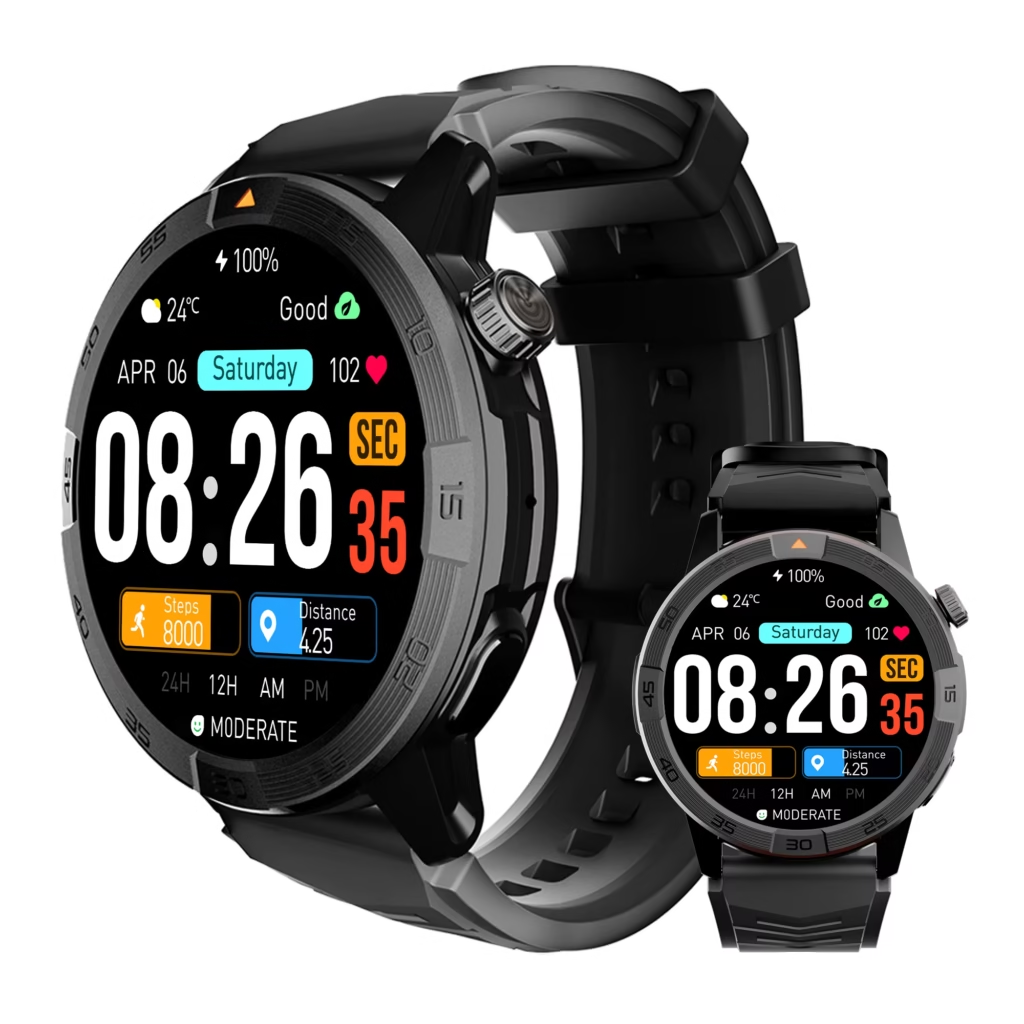
Complete the selector before comparing brands, prices, or promotional accuracy language. A clear heart-monitoring job definition prevents an everyday awareness need from turning into an unnecessarily complicated purchase.
The 60-Second Device Selector
Gate One: What Decision Follows the Reading?
Broad awareness decision: You want general heart-rate context during ordinary movement, a familiar recreational session, or a routine activity review. Enter the consumer smartwatch lane.
Immediate performance decision: You intend to adjust intervals, pacing, recovery periods, or structured training from responsive exercise information. Enter the sports-performance lane.
Medically significant decision: You need information connected to symptoms, diagnosis, treatment, medication, medical clearance, or reassurance. Leave consumer-product comparison and enter the medical-use lane.
Gate Two: How Responsive Must the Signal Be?
Moderate expectations: A broad wrist reading is sufficient because you are not controlling a precision-sensitive workout. Stay in the consumer smartwatch lane.
Workout-responsive expectations: Delayed or unstable data would interfere with repeated training decisions. Move to the sports-performance lane.
Clinically significant expectations: Accuracy or interpretation affects a medical decision. Consumer watches and fitness accessories are not the correct category.
Gate Three: What Ownership Burden Will You Accept?
One multipurpose device: You prefer one watch for general heart-rate awareness, activity information, notifications, and everyday wrist functions. Select the consumer smartwatch lane.
Multiple training components: You will wear a sports watch and chest strap, maintain both devices, manage pairing, and configure workout screens. Select the sports-performance lane.
Purpose-specific medical equipment: You will use the device and process appropriate to the medically significant need. Select the medical-use lane.
Immediate Omarek placement: Omarek belongs in Lane One for buyers who need broad wrist-based heart-rate context alongside activity tracking and connected daily functions. It should not be moved into the sports or medical lane through assumption.
Readers who finished the selector in Lane One can preview Omarek’s documented consumer-awareness features before reviewing the ownership checks below. Lane Two and Lane Three buyers should continue through the category decision rather than treating Omarek as a universal solution.
Choose the Priority That Controls the Purchase
Lane One: Everyday Wrist Awareness
Priority: Broad heart-rate context during daily movement or ordinary recreational activity.
This lane fits the buyer who wants one understandable value on the wrist, a general activity record, and enough context to compare familiar sessions cautiously. The reading may support awareness, but it is not expected to control a tightly managed workout or answer a medical question.
Necessary capabilities: General wrist-based heart-rate monitoring, activity tracking, a readable display, phone compatibility, and useful functions that justify wearing the watch outside exercise.
Accepted boundary: No guaranteed precision, specialist interval response, diagnosis, medical reassurance, or clinical interpretation.
Recommended category: Omarek or another responsibly positioned consumer smartwatch.
Buyers who are still unsure whether ordinary wrist tracking can cover their planned activity can review when general heart-rate awareness is sufficient.
Lane Two: Sports-Performance Tracking
Priority: Responsive exercise information that repeatedly influences pacing, intervals, workout structure, or performance review.
This buyer needs more than a general value appearing on the wrist. The purchase may depend on external-sensor support, configurable exercise screens, structured workout tools, dependable app history, and information that remains useful during rapid changes in effort.
Necessary capabilities: Verified chest-strap compatibility where required, clear live data fields, relevant sports functions, stable account support, and meaningful post-workout review.
Accepted burden: Wearing two devices, pairing accessories, maintaining batteries, cleaning another sensor, and configuring a deeper platform.
Recommended category: A sports-focused watch and compatible chest strap.
The additional hardware earns the budget only when it changes training. Use this fit-and-signal value breakdown before assuming that specialist equipment is automatically the better purchase.
Lane Three: Medically Significant Use
Priority: Information tied to symptoms, diagnosis, treatment, medication, medical monitoring, exercise clearance, or health reassurance.
This lane is not reached by buying the most expensive fitness watch. It requires equipment and professional direction appropriate to the actual medical purpose.
Necessary capability: A device with the intended use, authorization, instructions, and care context required for the decision.
Required boundary: Omarek, a premium sports watch, and an exercise chest strap must leave the comparison when a medically significant outcome depends on the reading.
Recommended category: An appropriate regulated medical device or professional care pathway.
Consumers who need to separate a wellness feature from a medical expectation should follow this health-watch boundary check before spending money on another wearable.
Follow Only the Features Required by Your Lane
One Device or Two?
Lane One usually favors one multipurpose wrist device. The watch supplies general heart-rate context while also handling activity visibility and selected connected functions. Fewer components can mean less charging, pairing, cleaning, and setup.
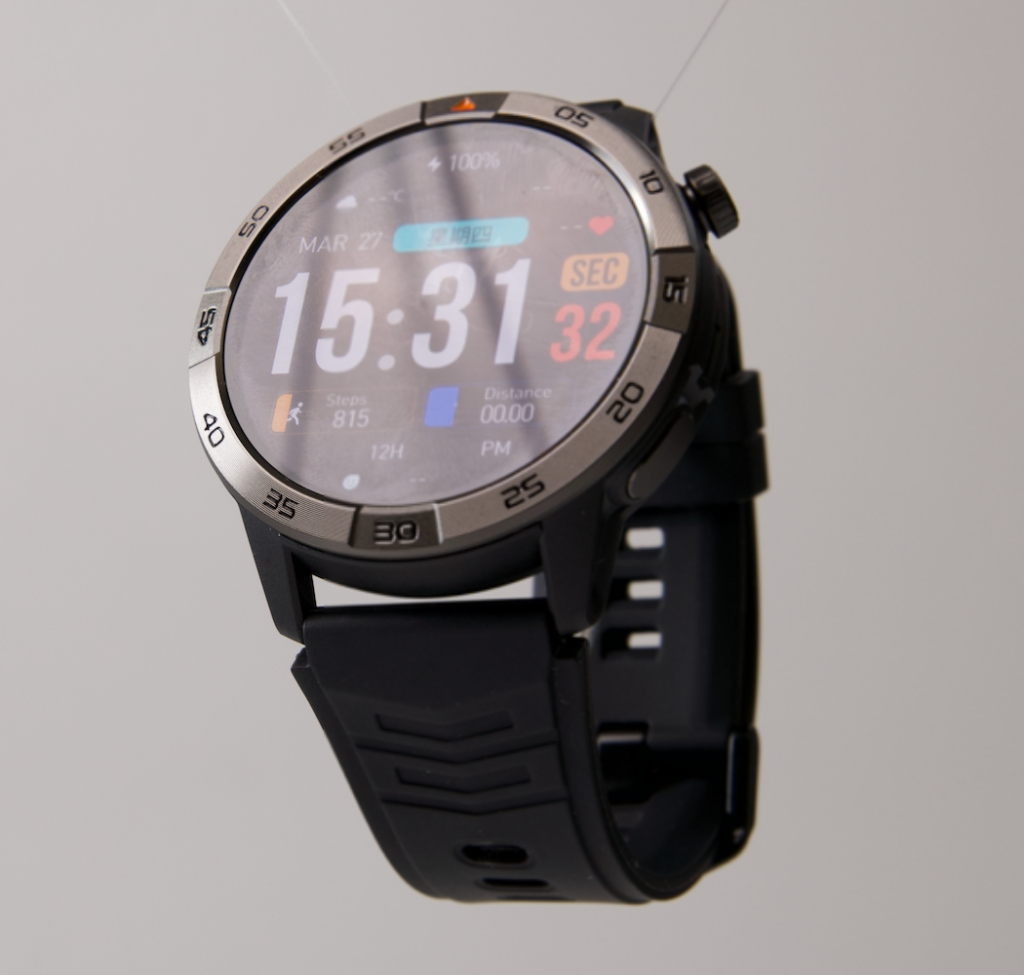
Lane Two may justify two devices because each component serves a separate job. The chest strap captures the exercise signal, while the sports watch displays, records, and analyzes it. That arrangement is commercially sensible only when the extra information changes repeated workouts.
Lane Three follows the equipment setup appropriate to the medical purpose. Convenience must not replace suitability.
Does the Chest Strap Pair with the System?
Never assume that a watch accepts an external heart-rate sensor. Confirm the supported connection method, compatible accessories, receiving app, and where live data appears.
Some buyers may expect the strap to send information to the watch, an indoor machine, and a phone app at the same time. That behavior must be verified for the exact products involved before checkout.
Omarek’s current listing does not document external chest-strap pairing. A buyer who requires that feature belongs outside the Omarek recommendation unless the seller later documents compatible support.
Where Must Indoor Exercise Data Appear?
A general-awareness buyer may be satisfied with a heart-rate value on the wrist and an ordinary activity record after the session.
Sports-performance shoppers should decide whether the signal must appear on a treadmill, exercise bike, rowing machine, phone, sports watch, or several screens. Indoor equipment compatibility can be model-specific, so a generic Bluetooth label does not confirm that every machine will display the reading.
Do not fund advanced connectivity without naming the screen that must receive the information.
What Does the Phone Need to Do?
Lane One buyers should confirm iOS or Android compatibility, the required companion app, Bluetooth access, notification permissions, and which features continue when the phone is not nearby.
Lane Two may add account continuity, structured-workout syncing, accessory management, and deeper data review. Anyone changing phones should determine whether historical records and paired sensors transfer smoothly.
Use a phone-first smartwatch check before selecting hardware. Android buyers should also confirm the expected app and permissions.
How Much Information Must the Data Screen Show?
Lane One needs enough information to support broad awareness. A current heart-rate value and ordinary activity context may be sufficient. More fields can create clutter without improving the decision.
Lane Two may need interval prompts, several live fields, configurable screens, training zones, and post-session analysis. Those capabilities deserve the premium only when the buyer will use them.
Lane Three requires information appropriate to the medical device and its intended use—not a fitness dashboard redesigned to appear clinical.
Will the Buyer Tolerate the Equipment?
Comfort is part of category fit. A one-watch setup may be easier to wear throughout the day, while a chest strap introduces another contact point, cleaning routine, battery, and fit adjustment.

The sports buyer should decide honestly whether the strap will be worn for most relevant sessions. An accessory left in a gym bag cannot deliver performance value.
Medical equipment should be worn or operated according to its instructions and professional guidance. Its ownership routine is controlled by the medical purpose rather than fitness convenience.
The Final Disqualifier
Would an inaccurate, delayed, or misunderstood reading create a medically significant decision?
No: Remain in Lane One or Lane Two according to the required workout responsiveness.
Yes: Leave consumer-product comparison and enter the appropriate medical pathway.
This question prevents a shopper from relying on price, branding, or a larger feature count when the real requirement belongs to another device class.
Omarek Recommendation for the Consumer-Awareness Lane
Why Omarek Fits Lane One
Omarek is the recommended Lane One purchase for buyers who need broad heart-rate awareness, general activity visibility, and useful connected functions from one wrist device.
The official listing documents general heart-rate monitoring, activity and fitness tracking, steps, calories, multisport modes, and sedentary reminders. These functions fit a consumer-awareness purchase when the buyer accepts general context rather than specialist or medical interpretation.
Readers who need a more detailed distinction between broad awareness and advanced monitoring can use the health-monitoring use-case guide.
Why the $150 Price Can Make Sense
Omarek is currently listed at $150 with free shipping. That amount may be excessive for someone who needs only a basic heart-rate glance. The commercial case becomes stronger when the buyer will also use Bluetooth calling, notifications, alarms, calendar access, music control, built-in GPS, offline maps, compass information, and altitude information.
One watch can therefore support ordinary awareness and several daily wrist tasks. Buyers deciding whether those connected tools justify moving beyond a narrow tracker can complete this tracker-to-smartwatch utility check.
When Omarek Is Disqualified
Do not select Omarek when the purchase depends on documented external chest-strap pairing, highly responsive interval data, advanced sports analysis, specialist training screens, medical-grade monitoring, diagnosis, treatment guidance, or clinical reassurance.
A general GPS function and offline maps also do not establish specialist navigation accuracy or a documented continuous-GPS runtime. Keep each capability inside the claim supported by the listing.
Lane One Ownership Check
Confirm the buyer’s specific phone and companion-app requirements before ordering. Review Bluetooth permissions, notification access, account recovery, and the functions expected when the phone is out of range.
The seller states that the 370mAh battery can provide up to 30 days. Treat that number as a maximum rather than a guaranteed personal result. Calls, GPS, maps, display use, notifications, Bluetooth activity, and settings can reduce runtime.
A low-maintenance ownership review can help Lane One buyers determine whether charging and setup expectations remain reasonable.
Complete the U.S. Checkout Check
The product listing currently shows $150 and free shipping. Omarek’s general shipping policy separately says shipping charges are calculated at checkout, so verify the final amount before paying. Applicable sales tax may increase the total.
The policy currently lists 1–3 business days for order processing and an estimated 3–7 business days for U.S. delivery. A damaged package should be reported within the seller’s stated deadline.
The return policy lasts 30 days from delivery, but the watch must be unused, in the same condition, and returned with its original packaging and included items. Customers generally pay return shipping unless the product is defective or an incorrect item was sent. Discounted products carry additional restrictions.
The product page currently shows no customer reviews. Give more weight to documented features, seller terms, app verification, and first-week inspection than to unavailable owner feedback. Check warranty coverage, support expectations, and any app or subscription cost before purchase.
Complete the transaction review with these U.S. smartwatch checkout safeguards.
Lane One buyers have a clear reason to keep Omarek on the final shortlist. Check the current Omarek offer ad consumer-awareness feature set, then proceed only after confirming that one multipurpose wrist device covers the full requirement without sports-performance or medical expectations.
Consumer-awareness lane: Select Omarek when broad wrist information and connected daily functions cover the complete job.
Sports-performance lane: Select a compatible sports platform and chest strap when responsive exercise data repeatedly controls training.
Medical-use lane: Use an appropriate regulated device or professional care pathway when the intended decision is medically significant.
Enter the correct lane before comparing individual products or prices. Omarek is the purchase for buyers who finish the 60-Second Device Selector in the consumer-awareness lane—not for shoppers who need specialist performance data or medically significant monitoring.
Confirm the current price, applicable sales tax, phone compatibility, documented functions, seller-stated battery language, shipping estimate, return eligibility, and support terms. When Lane One remains the final category, Omarek provides the one-device combination of general heart-rate awareness and connected daily utility. Finish in Lane One and Select Omarek for Everyday Awareness