
Four buyers complete the same 12-minute incline session during an open-house visit at a neighborhood recreation center. Each person compares the wrist display with the number expected from prior experience and notices a temporary difference of about 10 beats per minute.
The number is equally imperfect for all four buyers. Its consequence is not.
The first buyer plans to use a watch during relaxed recovery walks and wants broad activity context. A temporary difference does not change the route, the purpose of the walk, or the decision to keep the session comfortable.
Another buyer regularly crosses several neighborhood hills and glances at heart rate to avoid turning every outing into a hard effort. Variance could influence pacing, but the buyer also uses breathing, terrain, and perceived exertion.
The third shopper follows tightly timed indoor cycling intervals. Delayed or inconsistent information could alter work periods, shorten recovery, and reduce confidence in the session record.
A fourth person wonders whether the unexpected number could relate to medication or a medical condition. That concern immediately leaves ordinary smartwatch shopping.
The commercial issue is not whether every reading is perfect. It is whether a modest difference would materially change the decision the buyer intends to make. Define that consequence before paying for more sensors, training software, accessories, or medical-sounding features.
A clear heart-rate smartwatch role keeps an awareness purchase from expanding into unnecessary equipment. Buyers who still need to separate consumer, sports, and medical categories can first review the heart-monitoring device-class selector.
Buyers whose reading will support general awareness rather than precise training or medical decisions can inspect Omarek’s documented heart-rate and everyday smartwatch functions. Keep it on the shortlist only after confirming that occasional wrist-reading variance would carry a low consequence for the intended use.
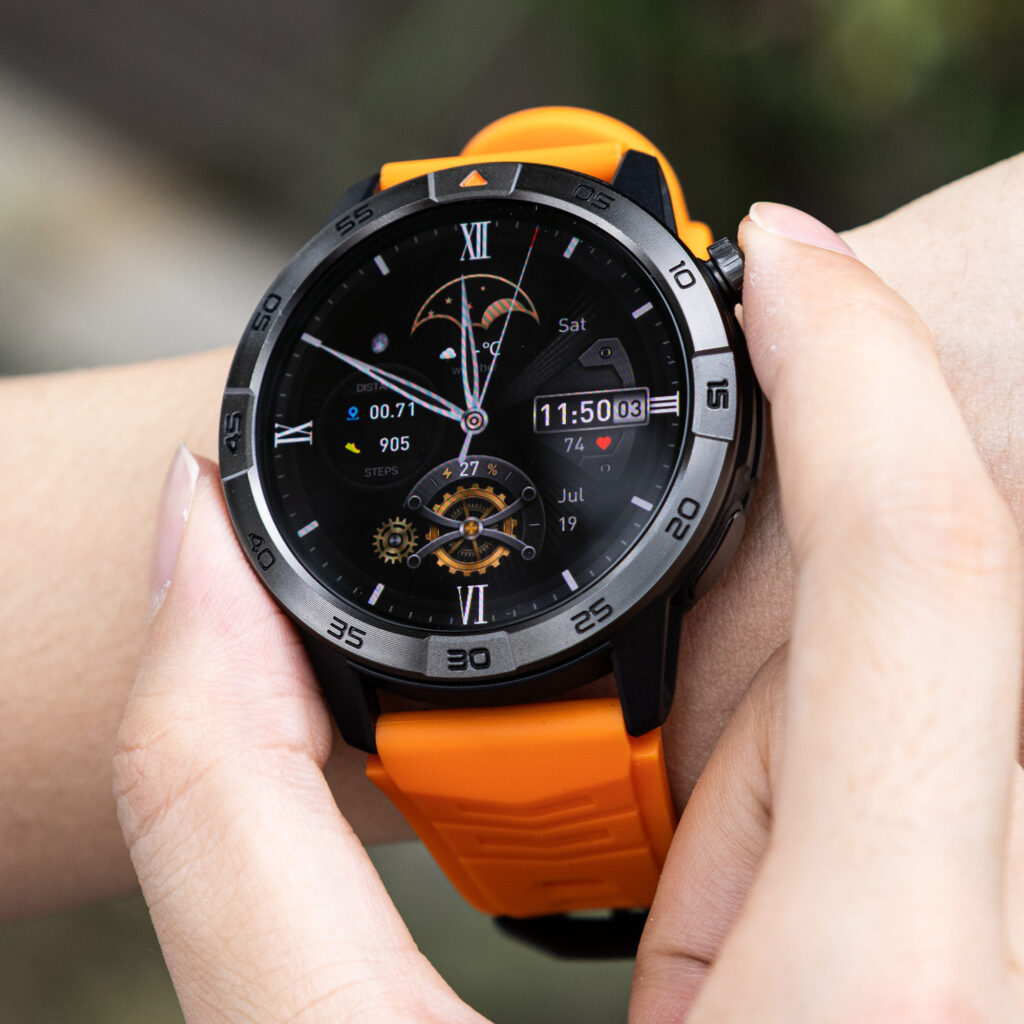
Real Buying Situation: The Same Reading Can Create Four Different Purchases
Buyer One: Recovery-Walk Awareness
The recovery-walk buyer wants a simple signal that adds context to an intentionally easy outing. Heart rate is not being used to diagnose recovery, approve exercise, or enforce a narrow training target.
A temporary difference of about 10 beats per minute may make one section of the record less useful, but it does not erase the value of completing the walk. The buyer can still consider route familiarity, breathing, comfort, duration, and ordinary activity information.
This is a low-consequence use. A responsible consumer smartwatch can be adequate because the number supports awareness instead of controlling the session.
Buyer Two: Recreational Hill Pacing
The hill-pacing buyer uses wrist information more actively. A rising number may encourage easing the pace before the final climb, yet the screen is only one input.
Terrain can change quickly. Heat, fatigue, breathing, prior activity, and the steepness of each hill may also affect how demanding the outing feels. A modestly different wrist value could influence the pace without making the entire session unusable.
This buyer falls near the moderate-consequence boundary. A consumer smartwatch remains plausible when broad guidance is sufficient. A sports-focused watch becomes more defensible when the buyer wants structured zones, detailed workout screens, or repeated performance analysis.
Buyer Three: Structured Indoor Cycling
The indoor-cycling buyer plans workouts around short work periods and timed recovery. Heart-rate information may influence when resistance increases, whether a recovery segment continues, and how repeated intervals are compared.
Here, delayed or unstable information carries a higher training consequence. The workout may still be completed, but the feature responsible for the purchase would not be performing its intended job.
A specialist sports platform and compatible chest strap may earn their additional price and maintenance burden. That recommendation depends on verified compatibility and repeated use—not on the assumption that more equipment automatically produces a better purchase.
Buyer Four: Medication or Medical Concern
The fourth buyer is not choosing between ordinary fitness features. The person wants to understand whether medication, symptoms, or a medical condition explains an unusual reading.
Neither a general smartwatch nor a sports accessory should be used to make that determination. Medical interpretation, treatment decisions, medication changes, exercise clearance, and reassurance require the appropriate healthcare pathway and purpose-specific equipment.
A wellness-versus-medical decision check can help prevent a consumer feature from being assigned a clinical job it was not documented to perform.
Match the Product to the Consequence of Being Wrong
Consequence-Based Buyer Matching begins with the decision that follows the reading. It does not award a watch an abstract accuracy score or assume that every buyer benefits from maximum complexity.
Accuracy Consequence Match Card One: Low-Consequence Awareness
Intended use: Recovery walks, routine movement, and cautious comparisons between familiar recreational sessions.
Decision influenced: Whether the session generally feels easy, moderate, or more demanding than expected.
Consequence of modest variance: Low. A temporary difference does not materially change the purpose or completion of the activity.
Response speed required: Broad context rather than immediate workout control.
Acceptable ownership complexity: One multipurpose wrist device with manageable charging, app, and notification setup.
Adequate product category: Consumer smartwatch.
Immediate disqualifier: The buyer expects the device to diagnose recovery, explain symptoms, or guarantee a precise physiological value.
Accuracy Consequence Match Card Two: Moderate-Consequence Pacing
Intended use: Recreational hills, longer outings, and mixed workouts where wrist information helps guide effort.
Decision influenced: Whether to reduce pace, extend an easier segment, or compare one familiar session with another.
Consequence of modest variance: Moderate. The buyer may adjust effort differently, but a temporary difference does not invalidate the full activity.
Response speed required: Reasonably useful wrist feedback interpreted with breathing, terrain, perceived effort, and session history.
Acceptable ownership complexity: A single smartwatch when expectations remain broad, or a deeper sports platform when workout control justifies it.
Adequate product category: Consumer smartwatch or sports watch, depending on whether the reading informs or controls pacing.
Immediate disqualifier: The buyer cannot tolerate any uncertainty during rapidly changing effort.
Accuracy Consequence Match Card Three: High-Consequence Training
Intended use: Structured intervals, performance progression, and indoor cycling sessions where rapid changes influence repeated training decisions.
Decision influenced: When work begins, when recovery ends, and whether repeated efforts followed the intended structure.
Consequence of modest variance: High within the training context. A delayed or inconsistent signal can materially disrupt the planned session.
Response speed required: More responsive exercise information with suitable live displays.
Acceptable ownership complexity: A specialist watch, compatible chest strap, additional battery or charging routine, cleaning, pairing, and deeper app management.
Adequate product category: Sports-focused platform and compatible chest strap.
Immediate disqualifier: The buyer will not consistently wear, maintain, or pair the additional sensor.
Accuracy Consequence Match Card Four: Medical-Concern Exit
Intended use: Understanding symptoms, medication effects, diagnosis, treatment, medical clearance, or health reassurance.
Decision influenced: A medically significant action or interpretation.
Consequence of error: Potentially medically significant rather than merely inconvenient to a workout.
Response speed required: Appropriate clinical interpretation and equipment suited to the actual medical purpose.
Acceptable ownership complexity: Whatever process is appropriately directed for the medical need.
Adequate product category: Outside ordinary smartwatch and fitness-accessory matching.
Immediate disqualifier: Any attempt to substitute consumer-shopping advice for appropriate medical guidance.
How to Treat an Occasional Unusual Reading
One unexpected value does not automatically prove that a watch is defective. It also does not establish that a medical problem exists or that premium sports equipment is required.
Start by identifying the consequence. A low-consequence buyer can note the value, check whether the watch is worn consistently, and compare later observations without forcing a conclusion from one screen.
A training-focused buyer should determine whether unusual values occur often enough to interfere with the workout job that justified the purchase. When the issue repeatedly affects structured exercise, a different product category may make sense.
Symptoms, medication concerns, or medically significant decisions should not be resolved through watch adjustments or repeated consumer readings. That situation belongs outside normal product matching.
The earlier guide on when ordinary wrist tracking is enough can help general-awareness shoppers avoid assigning excessive importance to one value.
Mixed Workouts Need One Dominant Consequence
A mixed workout might combine an easy warm-up, light resistance exercises, steady cardio, and a few short faster segments. The presence of one demanding section does not automatically justify the most complicated system.
Identify the part that controls the purchase. General session awareness supports a consumer watch. Approximate pacing may remain within the consumer or sports-watch boundary. Rapid interval management can justify specialist equipment.
The most demanding minor segment should set the budget only when it materially affects repeated use. Otherwise, the buyer may pay for complexity that remains unused during most sessions.
Use the heart-rate signal value comparison when fit, movement, and rapidly changing effort remain unresolved after the consequence match.
Best Choice for Low-Consequence General Awareness: Omarek
Who Matches Omarek
Omarek is the recommended choice when occasional wrist-reading variance does not materially disrupt the intended use. The strongest match is a buyer seeking general heart-rate awareness, recovery-walk context, ordinary activity visibility, and broad comparisons between familiar recreational sessions.
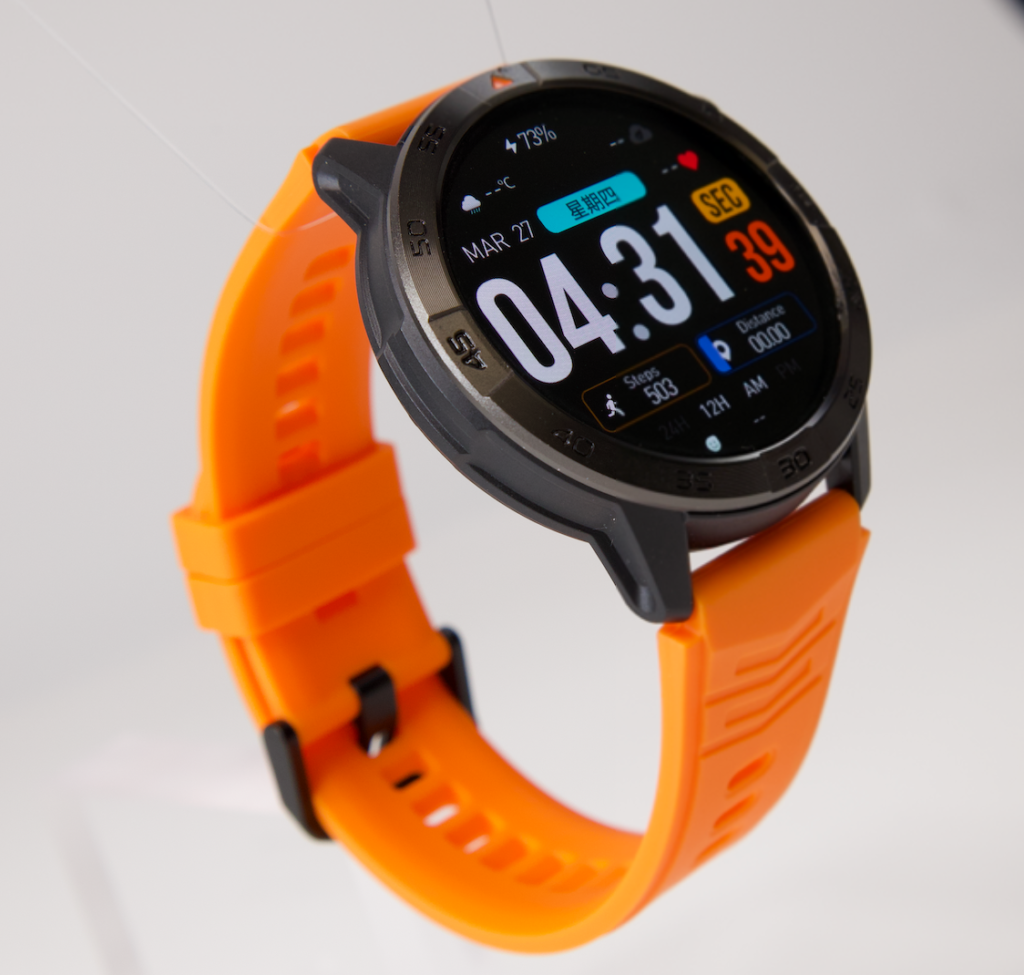
This person values one wearable that remains useful after exercise. Heart-rate information is part of the purchase rather than the only reason for it.
Buyers moving beyond a basic tracker can use the tracker-to-smartwatch consolidation test to decide whether connected wrist functions justify the upgrade.
Capabilities Relevant to the Match
Omarek’s official listing documents general heart-rate monitoring, activity and fitness tracking, steps, calories, multisport modes, and sedentary reminders. These capabilities support the low-consequence awareness profile without establishing guaranteed accuracy or specialist training performance.
The watch also documents Bluetooth calling, notifications, built-in GPS, offline maps, music control, alarms, calendar access, compass information, and altitude information. Those functions can increase ownership value when they solve recurring daily needs.
GPS and offline maps should remain within the seller’s stated feature description. The listing does not document continuous-GPS battery runtime or specialist positioning accuracy.
Why Lower Complexity Can Be the Better Purchase
A low-consequence buyer does not necessarily benefit from purchasing a sports watch, chest strap, and deeper training platform. Every additional component introduces another compatibility check, setup step, battery routine, and ownership obligation.
Omarek places general heart-rate information, activity visibility, calling, notifications, and navigation-related features in one wrist device. That lower-complexity arrangement makes commercial sense when the buyer will use several of those functions and does not require responsive interval control.
Someone prioritizing straightforward ownership can compare the recommendation with this low-maintenance smartwatch assessment.
When Omarek Is the Wrong Match
Do not select Omarek when responsive interval data controls the workout, documented external chest-strap pairing is required, advanced sports analysis determines the purchase, or a small reading difference would materially disrupt repeated training.
The product is also disqualified when symptoms, medication, treatment, diagnosis, exercise clearance, or medical reassurance influence the decision.
Omarek’s current listing does not document external chest-strap compatibility, advanced coaching, recovery scores, running dynamics, clinical reporting, or medical-grade monitoring. Those needs require a different category rather than an optimistic interpretation of the listing.
Omarek remains the better commercial match when the Accuracy Consequence Match Card ends at low-consequence awareness. Compare Omarek’s current $150 offer with the general-awareness and connected features you will actually use, then retain the recommendation only when moderate wrist variance would not materially alter the intended decision.
Alternatives When Reading Variance Carries a Higher Consequence
Specialist Wrist Watch
A sports-focused wrist platform may be the better choice when structured workouts, configurable exercise screens, rapid effort changes, long-term performance history, or detailed post-session analysis control the purchase.
The premium earns its price only when these capabilities affect repeated training. Someone who checks one broad heart-rate number and ignores the deeper platform may receive little practical return from the extra spending.
Verify accessory support, app continuity, account requirements, phone compatibility, and any subscription cost before ordering. A feature advertised across a product family may not be available on every model or account tier.
Compatible Chest Strap
A chest strap becomes commercially defensible when responsive exercise information is central and wrist-only readings do not satisfy the training requirement.
The indoor cyclist should verify that the selected strap pairs with the intended sports watch, phone app, or exercise equipment. Confirm where live data appears and whether the required connection can serve multiple displays.
Comfort also matters. The buyer must accept another contact point, cleaning routine, adjustment process, and battery or charging requirement. A strap that stays unused cannot justify its cost.
Appropriate Medical Device or Care Pathway
Medication-related questions, symptoms, diagnosis, treatment decisions, exercise clearance, and medical reassurance must be removed from ordinary product comparison.
Omarek is not the solution for that consequence level. A premium sports watch and chest strap do not become appropriate merely because they cost more or react faster during exercise.
The correct next step is an appropriate healthcare pathway or purpose-specific medical equipment selected for the actual need. FDA’s general-wellness framework distinguishes healthy-lifestyle functions from products intended for diagnosis, cure, mitigation, prevention, or treatment.
Buyers uncertain about the required monitoring depth can review the consumer-versus-advanced monitoring distinction without treating the result as medical advice.
Confirm the Lowest-Complexity Product That Adequately Covers the Consequence
Low-Consequence Match
Consequence level: Low.
Matching product type: Omarek or another responsibly positioned consumer smartwatch.
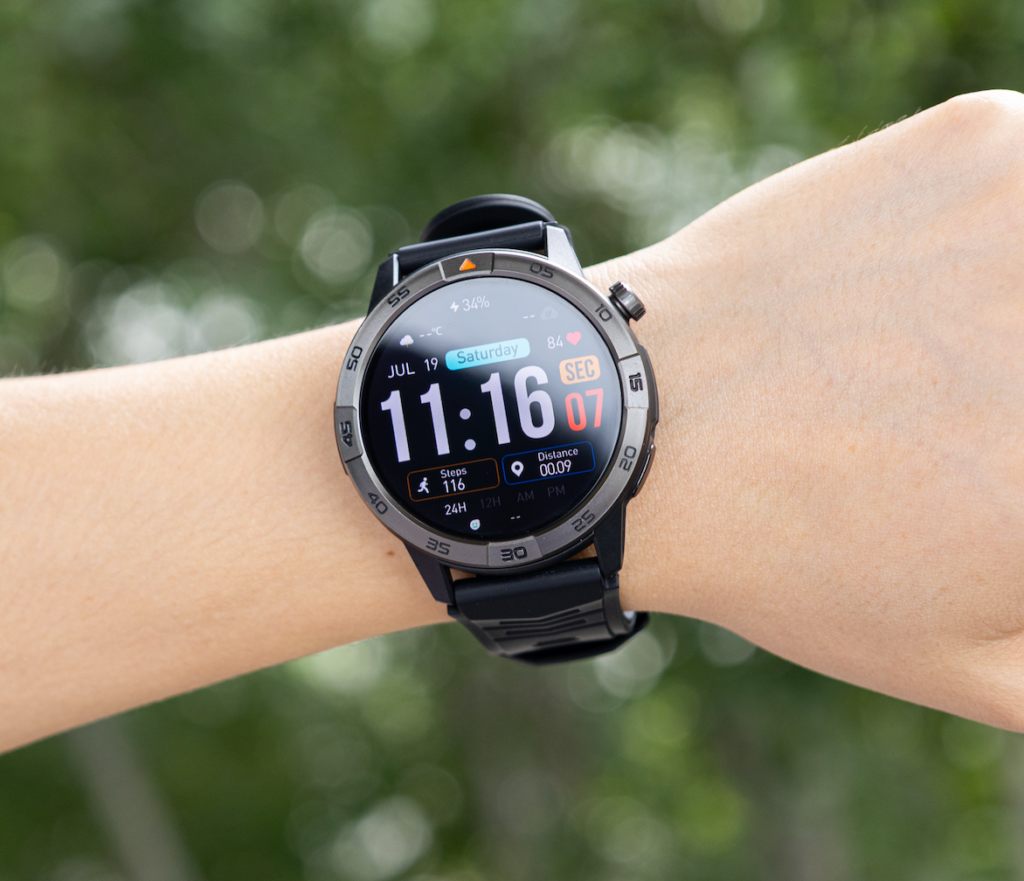
The buyer accepts occasional variance because the reading provides awareness rather than precise training control. Recovery walks, routine movement, and broad comparisons between similar activities fit this match.
Moderate-Consequence Match
Consequence level: Moderate.
Matching product type: Consumer smartwatch or sports-focused watch, depending on whether heart-rate information merely informs pacing or repeatedly controls it.
Recreational hills and mixed workouts can remain here when a modest difference does not invalidate the session. Move toward a sports platform when structured fields, alerts, and analysis materially affect repeated decisions.
High-Consequence Training Match
Consequence level: High within sports performance.
Matching product type: Specialist sports platform and compatible chest strap.
The additional ownership burden is justified when responsive information changes repeated exercise decisions. Confirm compatibility before paying for either component.
Medical-Consequence Match
Consequence level: Medically significant.
Matching product type: Appropriate professional care or purpose-specific medical equipment.
Consumer-product shopping ends when the reading may influence medication, diagnosis, treatment, exercise clearance, symptom interpretation, or medical reassurance.
Complete the U.S. Purchase Check
Omarek’s official listing currently shows a price of $150 and free shipping. Its general shipping policy separately states that shipping charges are calculated at checkout, so U.S. buyers should verify the final order total before payment. Applicable state and local sales tax may also affect the amount charged.
Orders are currently stated to require 1–3 business days for processing. Estimated U.S. delivery is listed as 3–7 business days, although location and carrier delays can change the arrival date.
The return window currently lasts 30 days from delivery. Eligibility requires the watch to remain unused, in the same condition, and in its original packaging with accessories, charging cable, manuals, and included items. Customers generally pay return shipping unless the item is defective or incorrect.
Sale or discounted items are listed as nonrefundable unless damaged or defective. Because the product page currently displays no customer reviews, examine the watch, app, included parts, and fit promptly while preserving return eligibility.
The seller states that the 370mAh battery may last up to 30 days. Treat that figure as a maximum rather than a guaranteed personal result. Calls, GPS, offline maps, notifications, Bluetooth activity, display use, and settings may reduce practical runtime.
Confirm the specific iOS or Android phone, required app, permissions, warranty coverage, customer-support process, and any subscription expense. The phone compatibility buying check, Android app verification process, and U.S. checkout safeguards can complete the review.
Low consequence: Select Omarek when moderate wrist-reading variance does not materially change the intended general-awareness decision.
Moderate consequence: Choose between a consumer smartwatch and sports platform according to whether the reading informs or controls the workout.
High training consequence: Select a compatible sports watch and chest strap when responsive exercise information determines repeated performance decisions.
Medical consequence: Leave consumer shopping and use the appropriate professional or medical-device pathway.
Omarek is the appropriate purchase when the consequence level remains low and one multipurpose wrist device adequately covers the intended use.
Before checkout, confirm the current price, final shipping charge, applicable sales tax, phone compatibility, documented functions, seller-stated battery language, processing estimate, return eligibility, warranty terms, and any ongoing app cost. Proceed only when occasional wrist-reading variance would not materially disrupt the activity or create a medical decision. Choose Omarek When Moderate Wrist Variance Carries a Low Consequence