
The watch records 110 minutes of running this week.
It may spend another 50 or 60 hours on the buyer’s wrist during work, commuting, grocery stops, appointments, household tasks, and an otherwise ordinary weekend.
Judging the entire purchase by those 110 active minutes leaves most of the ownership week unpriced.
A dedicated running tool can still be worth buying when its workout controls, pace functions, training analysis, sensor support, or navigation materially improve those minutes. A recreational buyer faces a different calculation: how much of the watch’s usefulness remains after the activity is saved?
This article uses a Weekly Carryover Value Breakdown:
run-only value → workday carryover → communication carryover → charging and comfort continuity → drawer-risk deduction → total weekly ownership value
The proof object is the Weekly Carryover Value Split. It assigns the purchase across running and non-running responsibilities, then removes value the buyer is unlikely to receive because the watch will be left unworn, uncharged, disconnected, or replaced by another device.
First define the job through a weekly smartwatch role contract. A feature earns value only when the buyer expects to use it during a recognizable part of the week.
Runners expecting one purchase to cover recreational activity, outdoor context, calls or alerts, music, scheduling, and ordinary wrist wear can review how far Omarek’s usefulness extends beyond the run. A required specialist training function should remain more important than broader daily carryover.
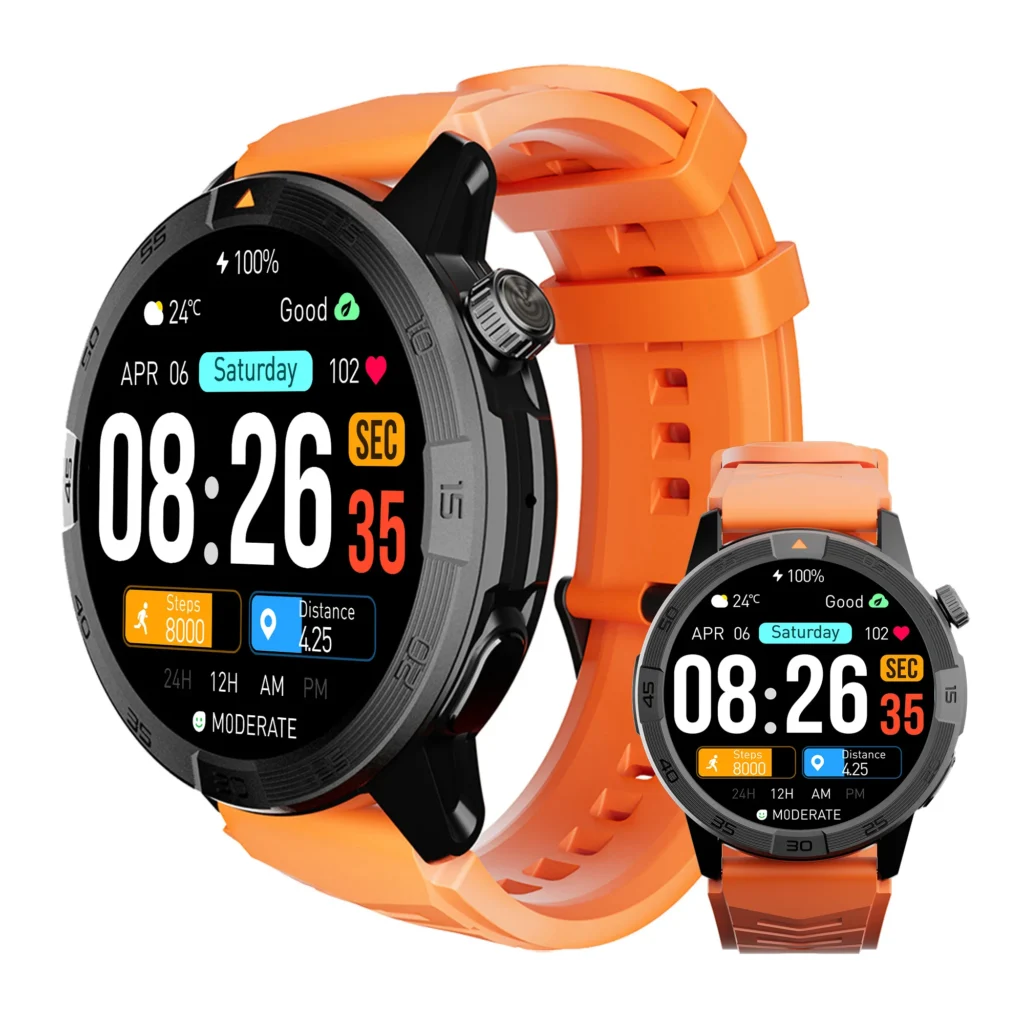
Price vs Value: Divide the Watch Across the Entire Week
Run-Only Value Starts With Functions That Change the Activity
Running value should include only capabilities that the buyer will materially use during the activity or immediately afterward.
For a recreational runner, that may include starting and saving a general activity, viewing duration, obtaining broad GPS and distance context, checking general pace or heart-rate information, controlling connected music, and reviewing a basic record.
A function should not receive running value merely because it appears on the specification page. Planned use matters more than availability.
Remove specialist capabilities from the Omarek calculation unless they are documented. Structured workouts, repeated lap controls, advanced pace guidance, running dynamics, training load, recovery analysis, external sensors, race tools, imported courses, and detailed navigation are not established for this product.
A buyer requiring those functions should compare the complete running requirement against the documented product before allowing daily usefulness to influence the verdict.
Workday Carryover Measures Whether the Watch Stays Relevant
The post-run portion begins when the buyer finishes the activity but keeps wearing the watch.
Workday carryover may come from ordinary timekeeping, selected notifications, Bluetooth-connected calls, calendar access, alarms, music control, general activity information, and a design the buyer considers acceptable for normal clothing.
Office suitability is personal. A black strap may fit one workplace more naturally, while the orange option may suit another buyer’s preferences. Neither color proves professional appearance, comfort, or compliance with an employer’s device policy.
The important commercial test is whether the buyer will keep the watch on during the actual workday. Features assigned to meetings, commuting, shifts, or appointments create no carryover value when another watch replaces it every morning.
Readers weighing run utility against all-day wear can compare the documented Omarek fit for everyday runners.
Communication Carryover Can Outlast the Workout
A connected alert may be useful during a run, but its larger contribution can occur during the rest of the week.
Bluetooth calling, call reminders, notifications, and social alerts are listed for Omarek. The buyer still needs to verify the required phone connection, companion app, background permissions, message previews, supported actions, and practical Bluetooth behavior.
Calling should not be priced as independent U.S. cellular service. The listing describes Bluetooth calling rather than standalone carrier connectivity.
Notification value also depends on restraint. Five useful alerts can strengthen ownership; constant interruptions can make the buyer remove the watch. The smartwatch calling and alert boundary helps distinguish connected convenience from unsupported phone independence.
Charging and Comfort Protect Ownership Continuity
A watch cannot produce workday, communication, or activity value while sitting beside an unavailable charging cable.
Omarek’s seller states that its 370mAh battery may last up to 30 days.[] Treat that number as a general ceiling. GPS, offline maps, Bluetooth, calls, notifications, display use, and personal settings can reduce actual runtime.
The headline does not establish continuous-GPS endurance or guarantee that a particular buyer can complete an entire week without charging.
Ownership continuity also depends on fit. Strap adjustment, wrist movement, heat, clothing, sleep preferences, and the physical size of the watch can affect how long it remains worn. Product images cannot establish comfort.
General battery settings may reduce unnecessary drain, as described in the smartwatch battery-use guide, but no setting can correct an inconvenient charging arrangement or missing GPS-runtime evidence.
Drawer Risk Removes Value Before It Is Received
Drawer risk is not a prediction that the watch will break. It is the share of planned value lost because the owner is likely to leave it at home, switch to another watch, or allow it to remain uncharged.
Common causes include:
- a strap that the buyer does not want to wear at work;
- notification volume that becomes irritating;
- a charging cable shared at inconvenient times;
- a companion app the owner avoids opening;
- another watch taking over office or weekend wear;
- connected features failing to match the buyer’s phone;
- the device being reserved only for occasional runs.
A buyer concerned about administrative friction can use the low-maintenance smartwatch ownership test before assigning continuity value.
The Weekly Carryover Value Split
The split uses 100 ownership-value points. It is not a laboratory score or a dollar valuation. It forces the buyer to reveal where the expected usefulness actually lives.
Illustrative Weekly Allocation
Running utility: 35 points
General activity recording, broad GPS context, basic review, and connected music during recreational sessions.
Workday utility: 25 points
Timekeeping, selected alerts, calendar access, general activity awareness, and continued wrist wear.
Communication utility: 20 points
Connected call awareness, notification previews, music control, and alarms outside running.
Ownership continuity: 20 points
Acceptable charging, phone compatibility, strap fit, app use, and willingness to keep wearing the watch.
Drawer-risk deduction: 10 points
Deducted because the buyer expects to replace the watch with another device during formal work events and may remove it overnight.
Value surviving after the run: 25 + 20 + 20 − 10 = 55 points
Carryover percentage: 55% of the expected weekly value remains after running ends.
A different buyer might produce 20% or 75%. The percentage should follow intended behavior, not a preferred verdict.
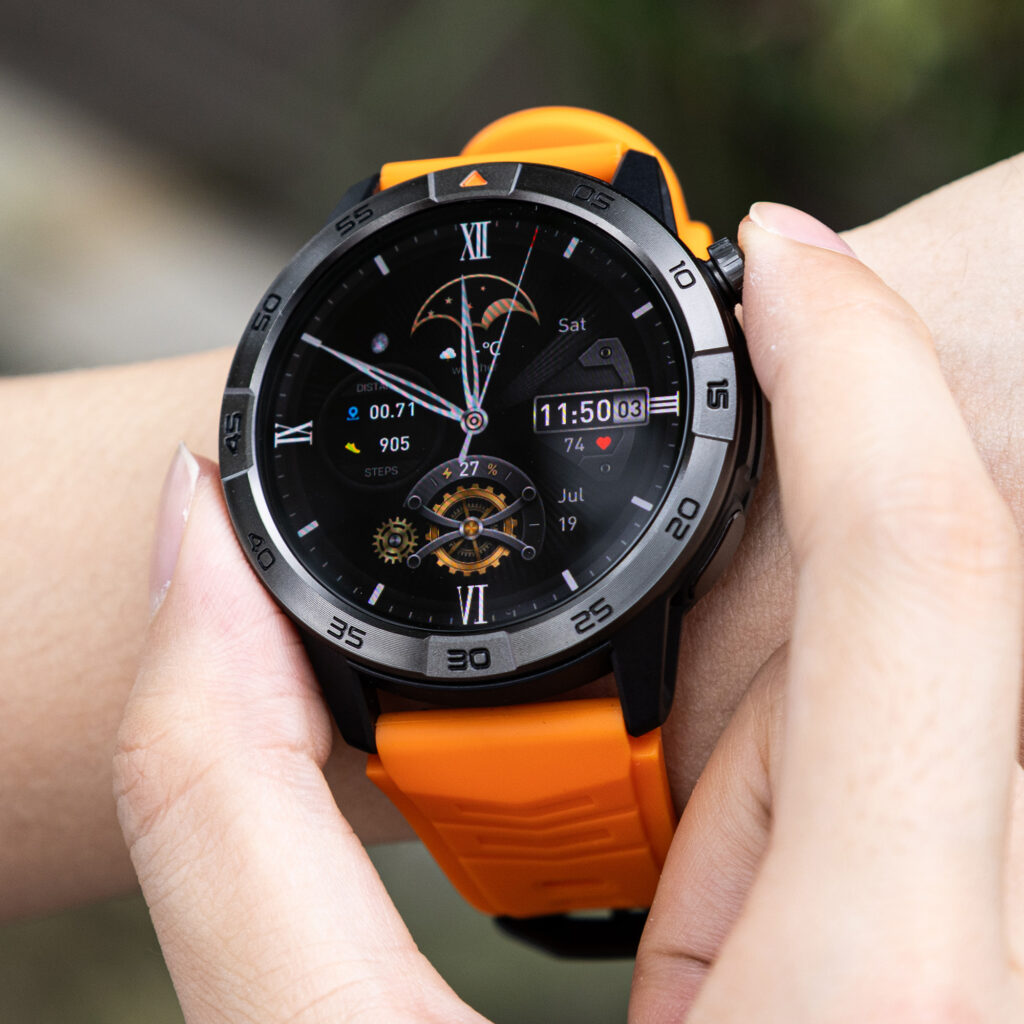
Feature Comparison: Which Functions Keep Producing Value After the Run?
GPS and Offline Maps
During running: Built-in GPS and offline maps may provide broad route, distance, and location context.
After running: They may retain value during walks, local exploring, travel, or other outdoor activity.
Carryover limit: The listing does not establish imported courses, turn-by-turn guidance, breadcrumb navigation, backtracking, return-to-start, superior accuracy, or published continuous-GPS runtime.
When route performance controls the purchase, use the GPS route-confidence comparison rather than assigning value to a general map label.
Activity Tracking
During running: General activity tracking, steps, calories, and broad session information may support recreational records.
After running: The same functions can provide general movement awareness during workdays, errands, and non-running days.
Carryover limit: General tracking does not establish coaching, advanced recovery, readiness, running dynamics, or training-load interpretation.
Heart Rate, Sleep, and Wellness Functions
During running: General heart-rate information may provide broad recreational effort context.
After running: Heart-rate monitoring, sleep tracking, activity information, and breath monitoring may support general healthy-lifestyle awareness.
Carryover limit: These functions should not be used for diagnosis, treatment, medical reassurance, medication decisions, or exercise clearance. FDA guidance distinguishes general-wellness uses from functions related to diagnosing, curing, mitigating, preventing, or treating disease or a condition.
A buyer who removes the watch overnight should not assign full-week value to uninterrupted sleep tracking.
Bluetooth Calling and Notifications
During running: The watch may help identify a connected call or alert without immediately retrieving the phone.
After running: Communication value can continue through commuting, errands, home responsibilities, and selected work situations.
Carryover limit: Bluetooth calling depends on a connected-phone context. Alert content, reply options, individual app controls, and background behavior require verification.
Phone fit should be checked through the smartwatch and phone compatibility process. Android owners should also confirm the companion app and required permissions.
Music Control
During running: Connected music control may reduce phone handling.
After running: The same control can remain useful while commuting, preparing meals, completing household tasks, or listening during a break.
Carryover limit: The official page does not establish independent storage, standalone streaming, direct headphone pairing, or universal audio-app support.
Alarms, Calendar, Compass, and Altitude
During running: Alarms may support departure timing, while compass or altitude information may add broad outdoor context.
After running: Calendar and alarm functions can contribute to appointments and ordinary scheduling. Compass and altitude functions may remain relevant during non-running outdoor activity.
Carryover limit: These listing terms do not establish specialist navigation, emergency support, advanced elevation analysis, or universal calendar integration.
The AMOLED Display
The current page lists a 1.43-inch AMOLED touchscreen with 466×466 resolution.
The display can contribute to both running and daily access, but the specification does not prove outdoor readability, glare resistance, always-on operation, maximum brightness, scratch resistance, or easy viewing while moving.
Its carryover value depends on whether the buyer considers the interface practical during both activity and ordinary wear.
Dedicated Running Tools Can Concentrate Value
A specialist running watch may provide structured workouts, rapid lap control, advanced pacing, training analysis, sensor support, race tools, and deeper platform history.
Those functions can create high value even when the device receives limited office or communication use. A decisive running capability may be worth more than several moderate daily conveniences.
The disadvantage appears only when the buyer pays for sports depth, rarely uses it, and then leaves the device unworn outside training. The general smartwatch and dedicated-training-watch comparison can clarify which type of value controls the purchase.
The middle decision is whether useful ownership continues after the activity is saved. Buyers whose workday, communication, outdoor, and scheduling value remains substantial can compare Omarek with their Weekly Carryover Value Split. Dedicated running tools remain the better direction when one specialist function outweighs the rest of the week.
Best Value Choice: Select the Watch With the Highest Weekly Ownership Value
Omarek Can Win When the Week Is Larger Than the Workout
Omarek becomes the stronger total-value candidate when its recreational running functions cover the activity and its connected features continue receiving use afterward.
The current $150 price is easier to justify when GPS, maps, notifications, calls, music, alarms, calendar functions, and general activity information are distributed across the week rather than concentrated into a few sessions.
This is not a claim that Omarek has greater sports performance than a dedicated running platform. It is a claim about the number of ownership situations the documented functions may serve.
The balanced runner ownership assessment offers a separate check for buyers giving exercise and ordinary wear similar importance.
A Dedicated Running Watch Can Still Produce Greater Total Value
A specialist product wins when structured training, repeated intervals, advanced pace control, sensors, race preparation, navigation, or GPS endurance changes the quality or completion of the buyer’s running.
In that situation, concentrated value is not a weakness. The specialist tool may justify its price despite limited daily carryover.
Choosing Omarek to gain alerts or calendar functions would be a false economy when the missing running capability controls the purchase.
Office Dress Changes the Calculation Only When It Changes Wear
Appearance matters commercially when it determines whether the watch stays on the wrist.
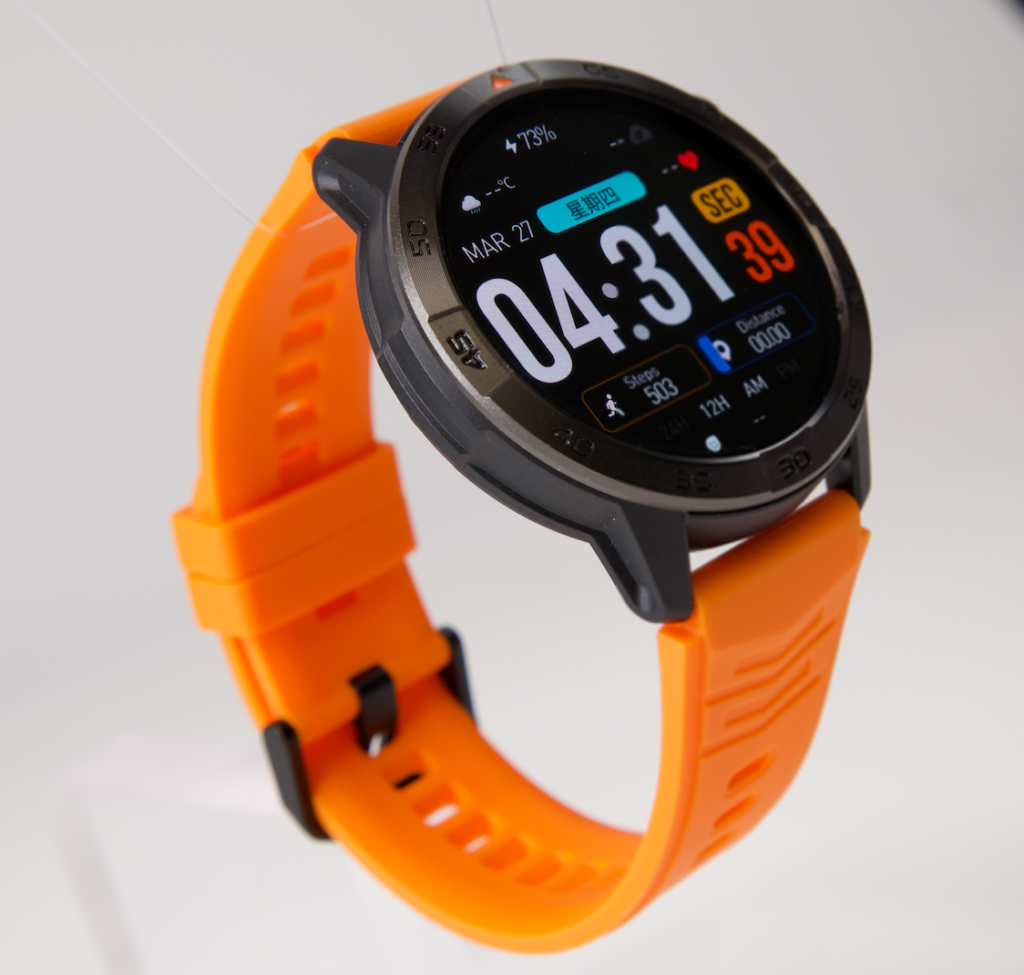
A buyer expecting formal office wear should evaluate case size, strap color, clothing expectations, workplace rules, and the likelihood of changing to another watch. Omarek currently lists black and orange options.
No value should be assigned to workday functions during hours when the device will remain at home.
Weekend-Only Wear Shrinks Carryover
A weekend-only watch can still be worthwhile, particularly when its running or outdoor functions are important. Its daily tools should not be counted as weekday value merely because they are available.
Assign communication, calendar, movement, and alarm points only to periods when the watch will realistically be worn.
Sleep-Tracking Gaps Belong in the Deduction
Some buyers will remove the watch for comfort, charging, personal preference, or workplace reasons. Any regular overnight gap reduces the value assigned to sleep tracking.
The device should not be purchased for uninterrupted sleep history when the buyer already expects interrupted wear.
Shared Chargers Can Either Preserve or Destroy Continuity
A shared charging location may simplify the household routine, but only when the correct cable is available at the necessary time.
Verify the connector, replacement availability, price of another charger, travel needs, and whether another household member depends on the same cable. Compatibility with an unrelated smartwatch charger should never be assumed.
A Different Band Can Rescue Carryover—When It Actually Exists
A replacement band may improve office appearance, fit, or willingness to wear the watch throughout the week.
Before assigning that value, confirm attachment type, size, inventory, cost, shipping, and whether the pictured or preferred band is included. The official listing states black and orange color choices but does not establish that both bands arrive with one purchase.
Leaving the Watch at Home Creates the Clearest Penalty
A device left at home loses spontaneous activity recording, workday alerts, scheduling value, movement awareness, and communication carryover.
The reason reveals the correct purchase. A specialist watch intentionally reserved for important workouts may still deliver excellent value. A general smartwatch left home because charging, appearance, comfort, or app use is inconvenient is failing its broader commercial assignment.
Report the Percentage That Survives
Low carryover: Most expected value exists only during active training. Choose the product with the strongest required running performance.
Moderate carryover: Selected daily functions matter, but the recommendation depends on how strongly specialist running needs compete with them.
High carryover: Workday use, communication, scheduling, outdoor context, and general activity awareness materially reinforce the running purchase. Omarek becomes more commercially persuasive here.
No universal percentage defines success. The buyer’s own intended wear determines whether 40%, 55%, or 70% surviving value is sufficient.
Omarek Recommendation: Choose It When Recreational Running and Daily Ownership Reinforce Each Other
Omarek’s Weekly Value Comes From Continuity
Omarek fits a buyer who expects one watch to move from recreational running into the rest of the day without changing its basic role.
Its documented value can extend through general activity tracking, built-in GPS, offline maps, heart-rate monitoring, Bluetooth calling, notifications, music control, alarms, calendar access, compass and altitude information, and compatibility with iOS and Android devices.
The recommendation becomes stronger when several of those functions appear in the buyer’s actual non-running week.
Do Not Count Functions the Buyer Will Disable
Calls, alerts, sleep tracking, activity reminders, maps, and music should receive no value when the buyer plans to disable or ignore them.
Likewise, a feature should not receive carryover credit because another family member might use it or because it could become useful after an undefined lifestyle change.
A final check through the exact-use running-watch shortlist can confirm that the recreational assignment remains covered before daily value is added.
Daily Carryover Cannot Repair a Specialist Gap
Do not choose Omarek through this value argument when structured workouts, frequent laps, advanced pace guidance, training load, recovery analysis, running dynamics, external sensors, race-specific tools, imported courses, detailed navigation, documented continuous-GPS runtime, or standalone cellular communication controls the purchase.
A required running capability can outweigh an entire collection of moderate daily conveniences.
Final Ownership-Value Decision
Choose Omarek when recreational running is covered, the watch will remain useful during ordinary life, charging and wear expectations are acceptable, and the retained non-running value is large enough to reinforce the same $150 purchase.
Choose a dedicated running watch when specialist functions create more total value than communication, scheduling, music, and everyday wear—even when the specialist device spends fewer hours on the wrist.
The best watch for runners is the one whose useful life matches the buyer’s real week. For a carryover buyer, the decisive number is not only what the watch contributes during the run. It is the percentage of value still working after the run ends.
Choose Omarek when running and daily-use value reinforce the same purchase.
Confirm run-only utility, workday carryover, communication use, charging access, comfort expectations, band needs, overnight wear, drawer risk, specialist requirements, and the percentage of value that survives beyond training. Choose Omarek When the Value Continues After the Run