
Two runners finish approximately the same weekly mileage, yet their watches perform entirely different jobs.
The first runner chooses each session independently. Work obligations, household plans, weather, and available time determine when the run happens. The watch records the activity, provides broad route context, and continues serving as a connected everyday device after the session ends.
The second runner organizes the week around training. Planned workouts arrive through a sports platform. Pace targets influence execution, advanced analysis affects upcoming sessions, and missing sensor or calendar support disrupts the system.
Neither lifestyle is more serious by definition. Mileage alone cannot choose between them.
The commercial question is:
Does the buyer need a watch that records a running life, or a watch that helps organize life around training?
This comparison uses Lifestyle Role Portraits rather than a feature table. It examines the time, attention, setup, charging, review, and platform commitment required to receive value from each watch role.
The proof object is the Training Lifestyle Portrait. It records the role the watch performs, the decisions made through it, weekly maintenance, post-run review, travel requirements, household interruptions, accessory burden, and the practical effect of one missing advanced feature.
Begin by defining a clear role for the smartwatch. The purchase should reflect the life already being managed rather than the identity suggested by a specialist feature list.
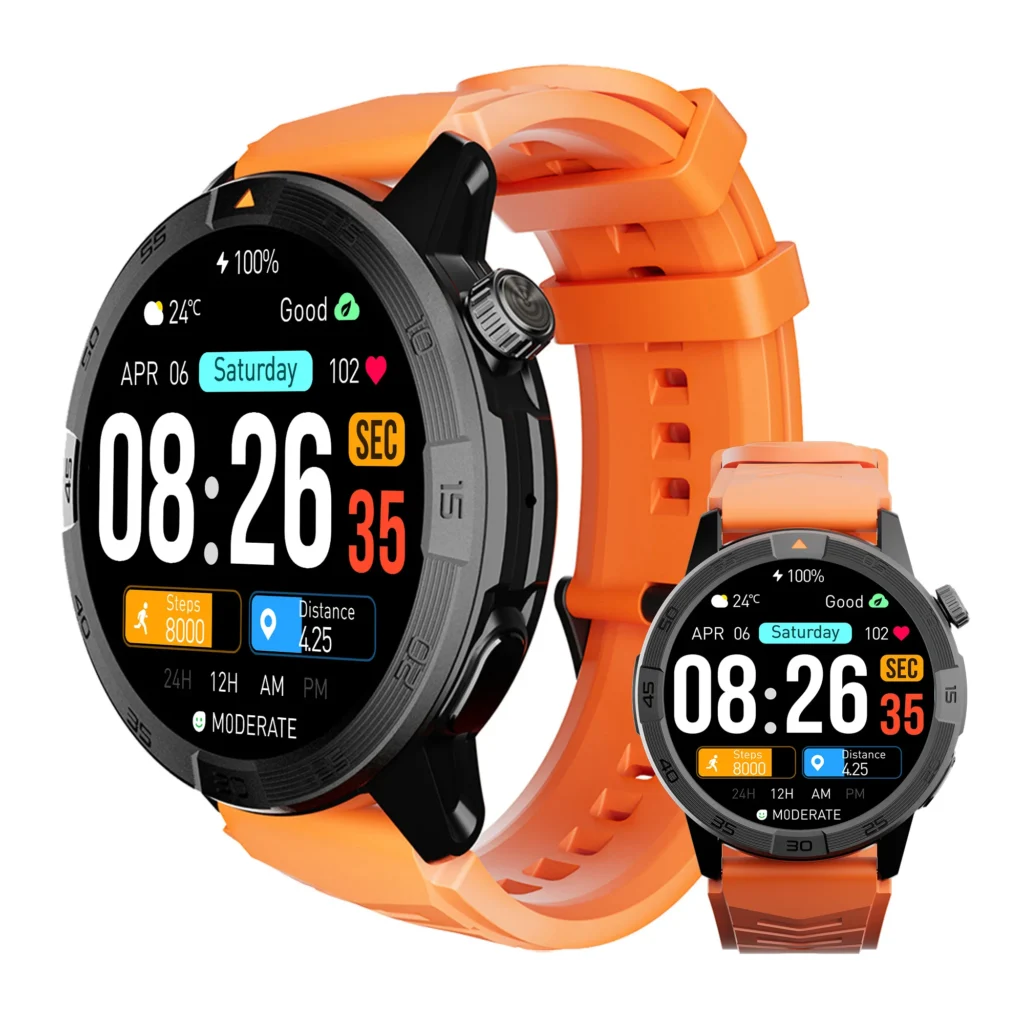
Runners who mainly need activity logging, GPS and map context, connected calls or alerts, music control, and useful everyday ownership can inspect Omarek as a recorder-plus-daily-watch option. Buyers whose training depends on watch-delivered workouts, sensors, recovery analysis, or specialist navigation should keep comparing dedicated platforms.
Different User Types: Recorder Users and Wrist-Coach Users
The Recorder-Centered Runner
The recorder-centered runner wants evidence that the session occurred and enough information to place it within the week.
The watch may need to start and save a general activity, provide broad duration or distance information, preserve route context, and display general pace or heart-rate information. The buyer chooses the session independently; the device records rather than directs it.
Connected functions may be equally important. Selected calls, notifications, music controls, alarms, and ordinary timekeeping can keep the watch useful during hours when no training is planned.
This buyer is not necessarily a beginner. Someone may run consistently for years without needing a watch-led coaching system. The defining trait is decision independence, not speed, mileage, or experience.
Time Required to Maintain the Recorder System
A general recording system may require initial phone pairing, app permissions, occasional synchronization, charging, activity selection, and brief post-run review.
That workload can be relatively contained, but simplicity should not be assumed from a product description. App behavior, connection stability, menu design, and charging habits still require personal verification.
The commercial advantage is limited administrative burden. A buyer who reviews only broad activity history should not pay more merely to create a larger library of information that receives no practical use.
Work, Family, and Travel in the Recorder Lifestyle
Work may shift the session from morning to evening. A household obligation can shorten the planned route. Business travel might replace a familiar outdoor run with a hotel treadmill or an unscheduled walk.
The recorder role accommodates those changes because the watch records what happened without requiring the buyer to maintain a detailed training calendar.
During travel, the device may still need to provide alarms, calendar access, phone-connected alerts, general activity tracking, and broad GPS or map context. Those functions should be verified rather than expanded into assumptions about emergency communication, universal map coverage, or carrier independence.
The Recorder-Plus-Daily-Watch Runner
This is the central Omarek lifestyle.
Running is a genuine part of the week, but the watch must also serve work, errands, appointments, music, communication, and ordinary activity awareness. Its value is distributed across many hours rather than concentrated inside planned workouts.
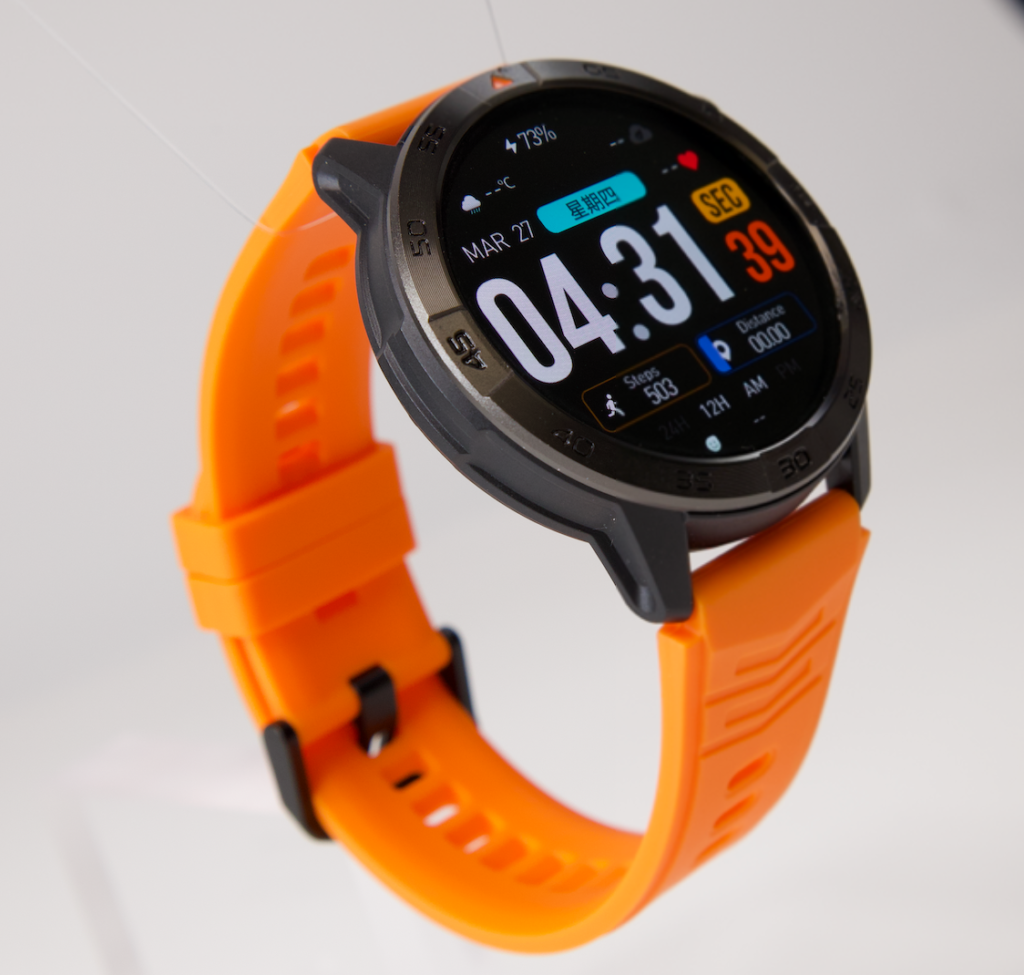
A buyer in this role may care more about whether the watch remains useful on a non-running Tuesday than whether it calculates an advanced sports metric after a weekend session.
The everyday-runner Omarek review examines the broader running fit, while this article stays focused on the lifestyle burden attached to each role.
The Wrist-Coach Runner
The wrist-coach runner expects the device to influence what happens next.
The lifestyle may depend on structured workouts, repeated interval controls, pace targets, training calendars, recovery or readiness analysis, training-load interpretation, external sensors, advanced metrics, race preparation, or a synchronized sports platform.
The defining difference is dependence. A missing workout, unsupported sensor, incomplete course transfer, or unavailable training recommendation changes the planned session.
That system can provide substantial value when the buyer consistently uses it. Without that behavior, deeper technology creates maintenance without producing a decision.
Time Required to Maintain a Wrist-Coach System
A dedicated platform may involve planning or importing workouts, reviewing detailed sessions, interpreting training information, maintaining sensors, adjusting calendars, managing accounts, and learning additional controls.
Subscriptions or accessory purchases may also enter the ownership model. None of these obligations is inherently negative. They become worthwhile when the resulting information changes training often enough to justify the burden.
A buyer who rarely reviews available data should be cautious about purchasing more analysis. The running-watch shopping-closure guide can help separate a current requirement from an attractive specialist extra.
The Training Lifestyle Portrait
Recorder Lifestyle Portrait
Watch role: Record recreational activity and remain useful during ordinary life.
Decisions made through the watch: Broad review of what happened rather than instructions for what must happen next.
Weekly setup: Pairing, charging, permissions, activity selection, and occasional synchronization.
Post-run review: Brief examination of duration, route, distance, pace context, or general activity information.
Work and family interaction: Training changes around the week without requiring the watch to rebuild a plan.
Travel requirement: One device should remain useful for timekeeping, alerts, scheduling, and general activity.
Effect of a missing advanced feature: Little or no disruption to the next normal session.
Correct role: Recorder-plus-daily-watch.
Wrist-Coach Lifestyle Portrait
Watch role: Deliver, control, and interpret structured training.
Decisions made through the watch: Pace, workout execution, recovery, load, route, or sensor data changes upcoming sessions.
Weekly setup: Workout planning, calendar management, sensor preparation, course transfers, and platform maintenance.
Post-run review: Detailed analysis that influences the training schedule.
Work and family interaction: Missed or shortened sessions may require plan adjustment.
Travel requirement: The training system must continue across locations and available routes.
Effect of a missing advanced feature: A scheduled workout or training decision is materially affected.
Correct role: Dedicated training watch.
Recommended Watch Role for Each Training Lifestyle
Recommended Role for the Recorder-Centered Lifestyle
Choose an all-purpose activity-recording smartwatch when broad recreational records are sufficient, advanced workouts are not required, and daily-life functions contribute meaningful value.
The watch should support the routine without imposing an unused sports platform. A buyer who independently selects routes, duration, and effort may gain more from dependable general ownership than from additional coaching screens.
Recommended Role for the Recorder-Plus-Daily-Watch Lifestyle
Choose a connected general smartwatch when recreational training shares the purchase with workday calls, alerts, errands, music, alarms, calendar access, and normal activity awareness.
Omarek occupies this role. Its official listing documents activity and fitness tracking, built-in GPS, offline maps, Bluetooth calling, notifications, music control, general heart-rate monitoring, alarms, calendar functions, and iOS and Android compatibility.
Those capabilities can support a buyer who wants one watch for running and ordinary life. They do not establish structured workouts, advanced recovery, training load, running dynamics, external-sensor support, detailed course guidance, or standalone cellular service.
Recommended Role for the Wrist-Coach Lifestyle
Choose a dedicated training watch when planned sessions depend on watch-delivered workouts, frequent lap or interval controls, precise pacing requirements, synchronized calendars, advanced analysis, compatible sensors, race tools, specialist navigation, or documented endurance runtime.
The additional system burden is justified because its exclusive capabilities alter scheduled decisions.
A club runner or event participant does not automatically need this category. The requirement appears only when the club plan, race calendar, sensor setup, or training method genuinely depends on the platform.
Where Lifestyle Burden Changes the Recommendation
A dedicated platform may require more setup, analysis, charging management, accessories, subscriptions, and dependence on one app ecosystem.
Those obligations purchase value for a wrist-coach user. They become avoidable complexity for a recorder user who continues to make every important decision independently.
Before accepting a deeper system, use the running-watch cost comparison by training level to determine whether the additional platform is also financially justified.
The correct midpoint decision is a watch role, not a longer specification list. Recorder-plus-daily-watch buyers can compare Omarek with their completed Training Lifestyle Portrait. Wrist-coach buyers should continue toward a platform built around structured training.
Why Omarek Fits the Recorder-Plus-Daily-Watch Lifestyle
Omarek Records Without Requiring a Coaching-Centered Life
Omarek’s commercial position is a recreational activity watch with connected daily functions rather than a dedicated system that organizes training.
The buyer can use it for general activity records, broad route or distance context, ordinary pace or heart-rate information, selected calls or alerts, and connected music control.
No advanced training workflow needs to be invented to justify the product. Its value depends on the documented functions the owner will actually use.
Omarek During Work
Bluetooth calling, notifications, alarms, calendar functions, and general smartwatch use can broaden the purchase beyond running.
The buyer must verify the required companion app, exact phone compatibility, notification permissions, supported call actions, and Bluetooth expectations. The calling and notification requirement check helps separate useful wrist awareness from unsupported phone-replacement assumptions.
Bluetooth calling should not be interpreted as independent cellular communication or guaranteed operation away from a connected phone.
Omarek During Errands and Daily Tasks
A recorder-plus-daily-watch buyer may use timekeeping, alerts, general activity tracking, music controls, and scheduling functions on days when no run occurs.
This broader use helps the current $150 purchase earn value throughout the week. It does not prove that every interface, app, or notification behaves exactly as the buyer expects.
Phone fit should be confirmed through the smartwatch-and-phone compatibility guide. Android buyers should also verify the required app and permissions.
Omarek During Recreational Training
Built-in GPS and offline maps may provide broad outdoor route context. General activity, distance, pace, and heart-rate information may support recreational review when precision-dependent decisions do not control the session.
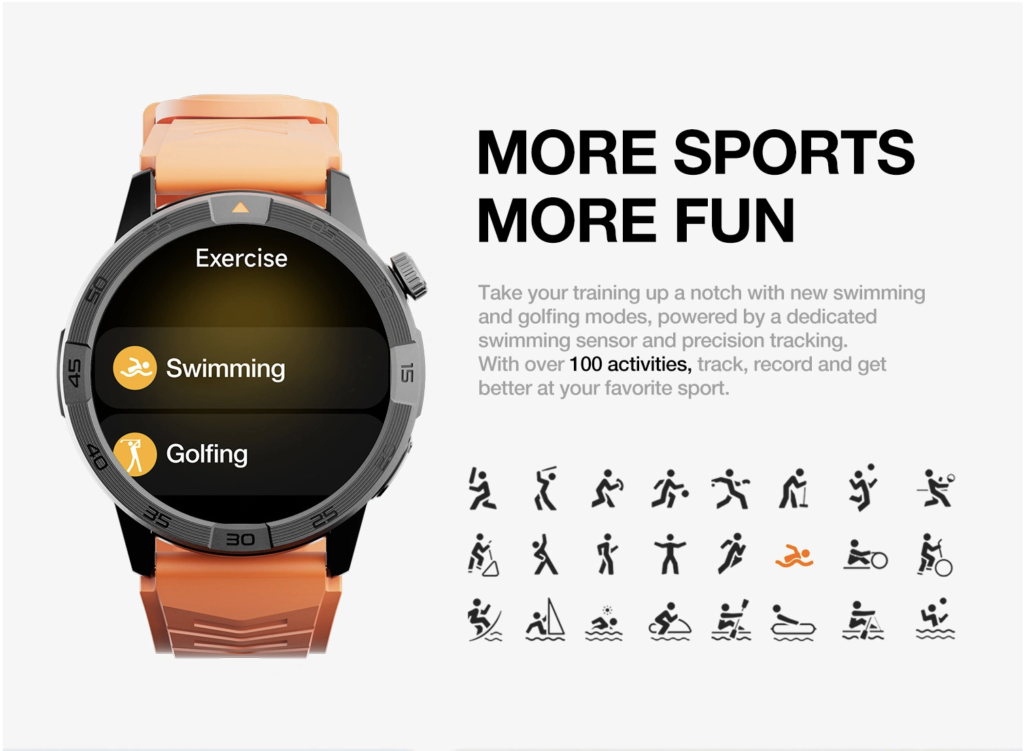
The listing should not be expanded into claims of superior GPS accuracy, advanced pace smoothing, imported courses, turn-by-turn directions, return-to-start, or specialist navigation.
Buyers whose route needs become purchase-controlling should use the GPS route-utility decision guide before treating a general map feature as a training or safety system.
Omarek During Travel
One general watch may remain useful across airport days, meetings, errands, and recreational activity. Alarms, calendar access, connected alerts, GPS, offline maps, and normal timekeeping can reduce the need to change watch roles during a trip.
The buyer should verify app availability, phone-region compatibility, charging access, map availability, notification behavior, and time-zone handling.
Omarek should not be positioned as independent emergency communication or as a substitute for appropriate route planning and other navigation resources.
Omarek and Irregular Training Weeks
An irregular week does not automatically require a coaching platform. Omarek remains suitable when the owner wants a record of completed activity without expecting the watch to reschedule missed sessions.
A dedicated system becomes more valuable when an active plan must adapt after travel, work demands, shortened sessions, or other interruptions.
General heart-rate and wellness information should remain within a consumer-wellness role. Symptoms, diagnosis, treatment, medication decisions, medical reassurance, or exercise clearance belong outside a consumer smartwatch purchase.
Omarek Disqualifiers
Do not choose Omarek under this recommendation when the buyer requires watch-delivered plans, structured workout execution, repeated lap or interval controls, advanced pacing, training load, recovery guidance, detailed running dynamics, external sensors, specialist race calendars, imported courses, detailed navigation, documented long-session GPS runtime, or standalone cellular service.
One missing coaching requirement can outweigh several daily-use conveniences.
Buying Advice: Calculate the Lifestyle Burden Before Choosing the Watch Role
Traveling for Work
A recorder-plus-daily-watch often fits unpredictable travel because the device can remain useful when the planned session changes.
A wrist-coach platform becomes worthwhile when structured training continues across locations and the buyer needs workouts, courses, sensors, and calendar continuity to travel with the plan.
Confirm charging access, app connectivity, offline behavior, phone compatibility, account access, map needs, and time-zone handling before ordering.
Parenting Schedules
A recorder role can fit a schedule in which sessions move around household responsibilities. The watch records the activity that occurs without requiring a training calendar to remain intact.
A coaching system becomes justified when shortened or missed sessions must be reorganized through an active plan. The watch category does not determine how family and training should be prioritized.
Irregular Training Weeks
Unpredictable weeks may reduce the value of advanced planning and recovery features when the recommendations cannot be followed.
The buyer should estimate how often watch-led guidance remains actionable. A platform that is routinely ignored may create more lifestyle burden than training value.
Running-Club Plans
A club raises the watch requirement when sessions rely on pace groups, lap-based work, route files, shared platforms, sensors, or structured targets.
Social runs, shared routes, and occasional group events do not automatically require a dedicated training watch. The buyer must identify the club activity that the general watch cannot support.
Race Calendars
A race calendar supports a wrist-coach role when preparation depends on structured workouts, pacing, recovery management, course tools, or specialist analysis.
Occasional recreational events may remain compatible with the recorder role. Registration alone does not prove that Omarek is insufficient.
Sharing Household Chargers
Charging logistics are part of lifestyle fit. Verify the connector type, whether the cable is proprietary, replacement availability, replacement cost, travel needs, and whether another household device uses the same system.
Do not assume that another smartwatch charger is compatible. A missing cable can turn a manageable charging routine into a recurring ownership problem.
Compare Weekly Maintenance
Recorder-Plus-Daily-Watch Maintenance
- Charging
- Phone pairing
- App permissions
- Occasional synchronization
- Brief activity review
- Basic app updates
Wrist-Coach Maintenance
- Workout planning or transfer
- Training-calendar management
- Sensor setup
- Detailed analysis
- Platform review
- Subscription management
- Course transfer
- Interpretation of training recommendations
No universal time estimate applies. The buyer should choose the maintenance workload that can be sustained during an ordinary week rather than during an unusually organized one.
A low-maintenance smartwatch ownership review can help determine whether reduced platform administration belongs in the product value.
Complete the U.S. Checkout and Ownership Check
Omarek’s product page currently lists the watch at $150 and states free shipping. The general shipping policy separately says shipping charges are calculated and shown at checkout, so review the final total before payment. Applicable state and local sales tax may increase the amount charged.
Orders are stated to require 1–3 business days for processing. Estimated U.S. delivery is 3–7 business days, subject to destination, weekends, holidays, order volume, and carrier delays.
The return policy provides a conditional 30-day period from delivery. The watch must be unused, in the same condition received, and returned with original packaging, accessories, charging cable, manuals, included items, and proof of purchase.
Hands-on lifestyle testing may conflict with the unused-condition rule. Request written clarification before pairing, wearing, or using the product in a way that could affect return eligibility.
Customers generally pay return shipping unless the product is defective or incorrect. Sale or discounted items are described as nonrefundable unless damaged or defective.
The product page currently shows no customer reviews. The reviewed product, shipping, and return pages do not state a clear product-specific warranty duration, specialist subscription, standalone cellular plan, or replacement-charger price. Request written details before checkout.
The seller states that the 370mAh battery may last up to 30 days. Treat that figure as a ceiling, not a guaranteed result. GPS, maps, calls, alerts, Bluetooth, display use, and settings may reduce actual runtime.
Finish the transaction review with the U.S. smartwatch checkout safeguards and preserve packaging during a careful pre-use readiness check.
Name the Lifestyle Role
Recorder user: Choose Omarek when the watch should log recreational activity, provide broad route context, support connected daily life, and remain practical through changing work, family, and travel schedules.
Wrist-coach user: Choose a dedicated training platform when the week depends on watch-led workouts, advanced analysis, sensors, route tools, or recovery-based planning.
The better role is the one the buyer will consistently maintain. Neither label measures commitment, seriousness, or athletic ability.
Choose Omarek when logging activity and serving daily life matter more than following a watch-led training system.
Confirm the recorder-plus-daily-watch role, weekly maintenance tolerance, workday usefulness, family and travel fit, training-calendar dependence, charger burden, subscriptions, phone compatibility, and full U.S. checkout terms. Choose Omarek for a Recorder-Plus-Daily-Watch Lifestyle