
One buyer checks sleep records because rotating work hours keep moving bedtime. Another needs a visible interruption after sitting through most of the afternoon. A third wants confirmation that a familiar walk or gym session occurred. The fourth expects a watch to identify a health concern, issue a qualified alert, or produce information for a specialized decision.
These are not four versions of the same purchase. They are four separate monitoring jobs.
Sleep-routine monitoring asks whether a recurring schedule pattern is visible. Movement awareness asks whether information can still change the current day. Exercise awareness asks whether a planned activity happened and how it broadly compared with familiar effort. Advanced-health expectations require documented specialized capabilities, more careful interpretation and a higher evidence standard.
The best smartwatch for health monitoring is therefore not automatically the model with the longest sensor list. It is the watch whose information reaches the buyer at a useful moment, supports a reasonable decision and carries limitations the buyer accepts before checkout.
Before comparing hardware, define the device’s responsibility through a clear smartwatch role agreement. A product should not receive purchase credit for collecting information that cannot support the buyer’s intended use.
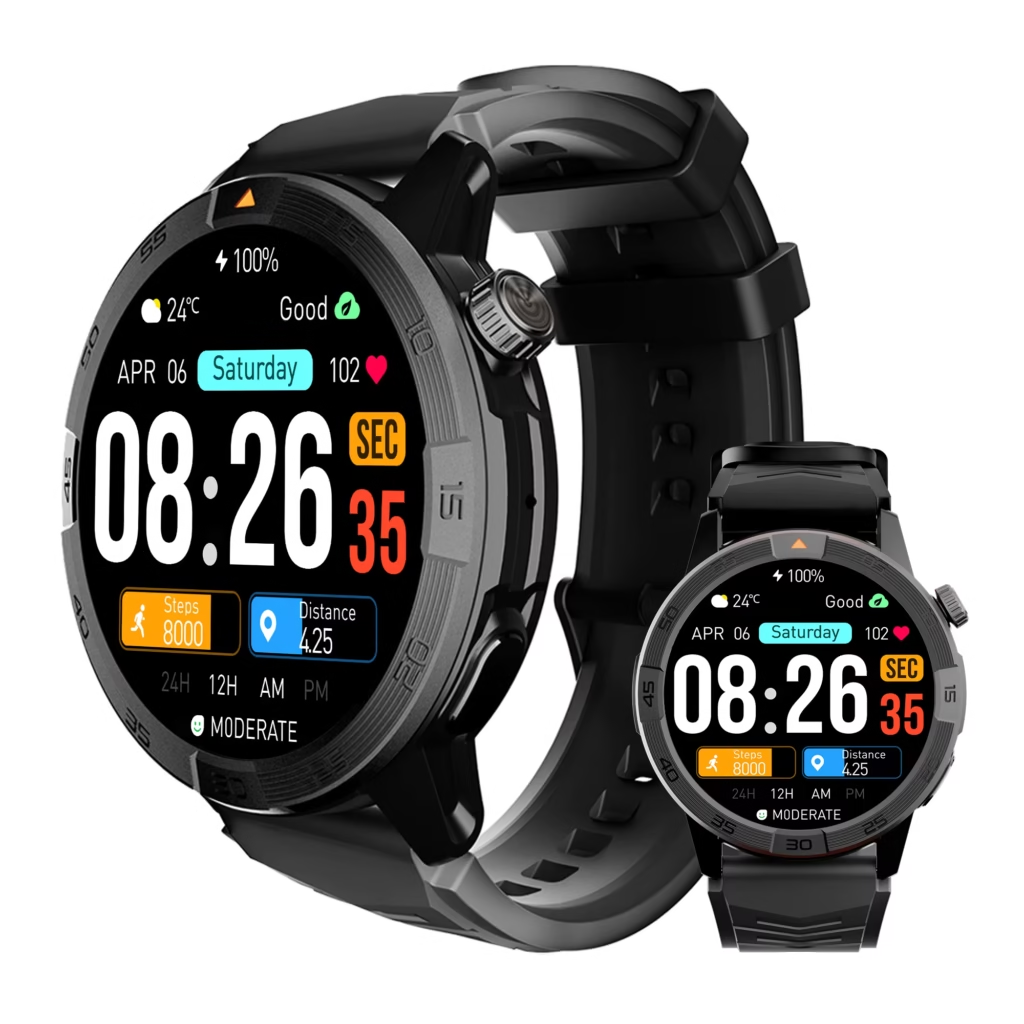
Buyers exploring general sleep, movement or exercise awareness can review Omarek’s documented monitoring and connected features before comparing the use cases below. Keep it on the shortlist only when those functions support the decision you expect the watch to influence.
Which Health-Monitoring Use Case Are You Buying For?
This Use-Case Decision Matrix begins with the situation rather than a product rank. Each file identifies the information required, the decision it should support and the point at which a different product level becomes the better purchase.
Use Case One: Sleep-Routine Monitoring
Monitoring situation: Bedtime changes because of shift work, travel, family responsibilities, late work or inconsistent evening habits.
Useful decision: Decide whether to protect a more consistent sleep opportunity, adjust an evening routine or compare several nights before reacting to one disrupted record.
Minimum useful information: A broad nightly record that helps the wearer notice differences between ordinary and interrupted schedules.
Suitable watch level: A general daily-awareness watch can be enough when the buyer needs routine comparison rather than specialized sleep interpretation.
Purchase boundary: Do not select an everyday smartwatch to confirm a sleep disorder, explain persistent symptoms or provide medical reassurance.
Use Case Two: Movement Awareness
Monitoring situation: Work blocks, studying, driving or household responsibilities allow several hours to pass with little movement.
Useful decision: Stand, stretch, take a brief walk or add practical movement while the day is still in progress.
Minimum useful information: Steps, general activity totals and a sedentary reminder that appears early enough to prompt action.
Suitable watch level: A basic tracker may cover a step-only need. A connected smartwatch earns the additional budget when activity information shares the wrist with calls, notifications, alarms or other daily functions.
Purchase boundary: A reminder has little value when the wearer cannot name a realistic response or already ignores similar phone prompts.
Use Case Three: Recreational Exercise Awareness
Monitoring situation: The buyer repeats familiar walks, gym sessions, recreational rides or other ordinary activities without following a deeply analytical training program.
Useful decision: Confirm that the session occurred, review broad activity context and decide whether the routine belongs on next week’s schedule.
Minimum useful information: An activity record, duration, broad heart-rate context, steps, calories or a suitable sport mode.
Suitable watch level: An everyday fitness smartwatch can cover recreational awareness. A deeper training platform makes sense when its analysis repeatedly changes workout intensity, recovery or programming.
Purchase boundary: Advanced metrics should not receive purchase weight when the buyer has no plan to review or use them.
Use Case Four: Advanced-Health Expectations
Monitoring situation: The buyer expects a specialized function, qualified alert, deeper physiological trend or report intended to support a higher-stakes decision.
Useful decision: Verify that the required feature is documented and available, follow its instructions and determine whether the information should be discussed with an appropriate professional.
Minimum useful information: A specific function with clear eligibility, operating requirements, limitations and intended use.
Suitable watch level: A qualified premium platform belongs here when the advanced capability is documented and commercially worth its setup, privacy and review burden.
Purchase boundary: Marketing language cannot substitute for evidence, and an ordinary consumer watch should not be expected to provide continuous medical supervision.
Only after completing these files should a product enter the comparison. Buyers still using broad phrases such as “track my health” can first match the health goal to a watch-supported behavior.
Omarek enters the first three situations when general daily awareness is the actual job. The advanced-health file belongs to a qualified platform with the required documented capability—or to appropriate professional guidance when the intended decision involves symptoms, diagnosis, treatment or reassurance.
Buyers uncertain about that boundary should follow a responsible health-watch decision path before paying for additional sensors.
Follow Every Monitored Signal to a Practical Decision
The Sensor-to-Use Case Dossier prevents a reading from being treated as valuable merely because it appears on a screen. Every category must complete the same commercial chain: measurement, display, decision, limitation and value.
Dossier Entry: Broad Sleep-Routine Information
Measurement: The watch collects general sleep information while it is worn.
Display: The wearer sees a nightly record or broader pattern on the watch or inside its companion app.
Decision: Compare ordinary nights with late work, travel, interruptions or changes in bedtime habits. The practical response may be protecting a more consistent sleep window rather than buying more analytics.
Limitation: Missing or unusual records may reflect charging, wear consistency, device fit, synchronization or an irregular night. One record cannot explain persistent fatigue or establish that a condition is present or absent.
Value: Sleep information earns purchase weight when the buyer will compare multiple nights and use the pattern to review routine choices.
Dossier Entry: Steps, Activity and Inactivity
Measurement: Steps and general activity information accumulate during daily wear, while inactivity may produce a sedentary reminder.
Display: The watch presents progress, totals or a prompt that movement has been limited.
Decision: Add a walk, stand during a break, move between tasks or adjust the remaining part of the day.
Limitation: A wrist-based total does not capture every form of activity or provide complete context for a person’s health.
Value: The signal earns its position on the wrist when it produces movement instead of another dashboard check. Similar situations can be compared through this fitness-monitor lifestyle guide.
Dossier Entry: Familiar Exercise and Heart-Rate Context
Measurement: A supported activity mode and general heart-rate monitoring collect information during familiar exercise.
Display: The buyer may see duration, general activity totals, calories, steps or broad heart-rate information.
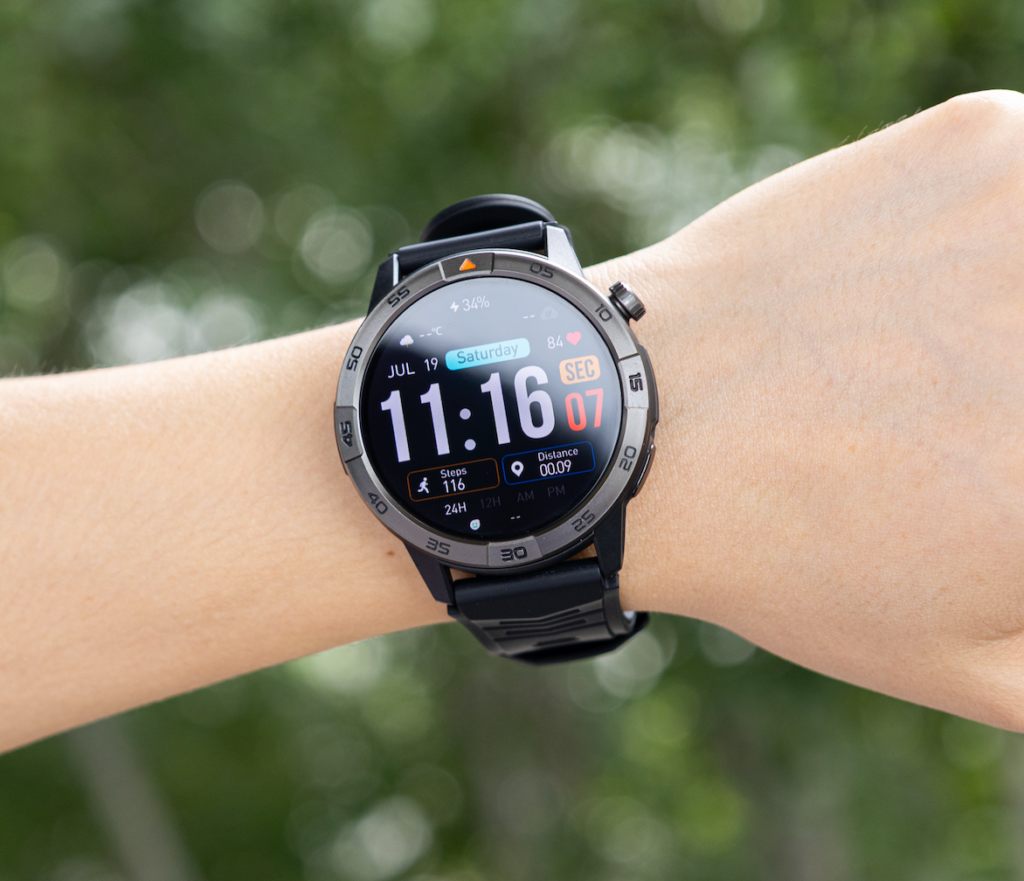
Decision: Confirm completion, compare familiar sessions cautiously and schedule the next ordinary workout.
Limitation: Wear conditions and exercise type can affect wrist-based information. The reading should not diagnose a condition, clear a person for exercise or independently determine medically appropriate intensity.
Value: General exercise monitoring is commercially useful when completion awareness matters more than advanced interpretation. Buyers can test that distinction through an everyday fitness-feature comparison.
Dossier Entry: Specialized Health Functions
Measurement: A premium platform may collect a specialized signal only when its hardware, software, phone, region, account and eligibility requirements are satisfied.
Display: The system may present a qualified alert, trend, report or guided result based on its documented purpose.
Decision: Follow the manufacturer’s instructions and seek suitable professional guidance when symptoms or medical concerns are involved.
Limitation: Availability on another watch does not make the feature necessary for every buyer. Advanced functions can also create more setup, privacy, eligibility and interpretation questions.
Value: The higher-cost system earns the budget only when the specific capability changes a repeated, responsible decision.
A long specification list can still produce a weak purchase. Use a smartwatch listing decoder to separate documented capability from promotional wording.
The first week also matters. Incomplete permissions, inconsistent wear, poor fit, missing app access or disabled background functions can prevent a supported feature from serving the intended use. A structured first-week verification process should test the exact signals that justified the order.
Why Omarek Is the Best Overall Fit for General Daily Monitoring
The General-Awareness Match
Omarek is the best overall fit within this guide for buyers whose use case remains inside broad sleep-routine review, movement awareness or recreational exercise awareness—and who also need connected daily functions.
The product listing documents sleep tracking, heart-rate monitoring, activity and fitness tracking, steps, calories, Breath Monitoring, multisport modes and sedentary reminders. These functions can support general awareness when every reading remains connected to a modest, practical decision.
Sleep information may support routine comparison. Steps and reminders can encourage a movement break. General exercise records may confirm a familiar session. None of those uses requires presenting Omarek as a diagnostic or medical-grade device.
Buyers considering how monitoring and connected functions work together can review how a smartwatch supports fitness outside formal exercise.
Where the $150 Purchase Earns Its Place
Omarek is currently listed at $150 with free shipping. The price becomes easier to justify when monitoring is only one part of the buyer’s weekly use.
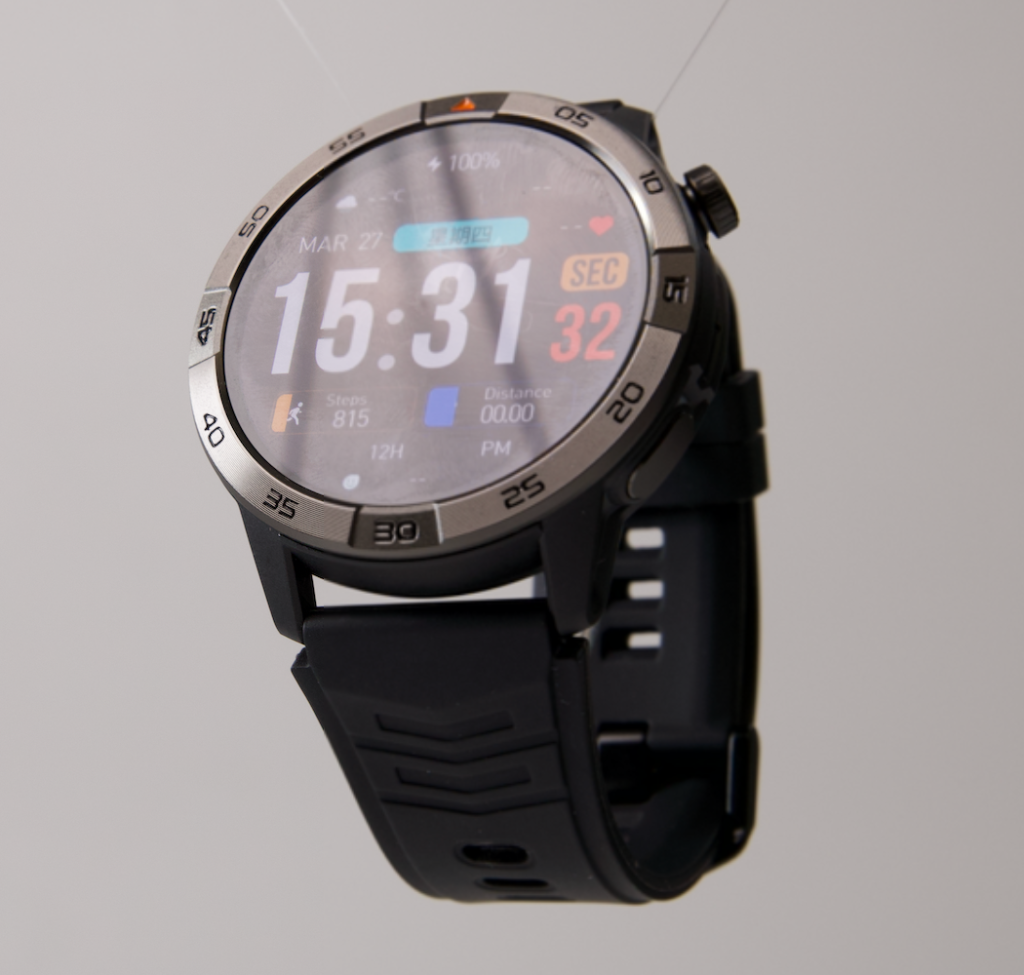
Bluetooth calling, notifications, social alerts, music control, alarms, calendar access, built-in GPS, offline maps, a compass and altitude information extend the watch beyond sleep, movement and workout records. Those functions may create additional value during work, commuting, errands and travel.
The commercial test is not whether every feature exists. It is whether at least one monitored category and several connected functions will be used repeatedly.
A buyer who needs only a step total may spend less on a narrow tracker. Omarek becomes more persuasive when calls, selected notifications, scheduling tools or general navigation also solve recurring needs. The wrist-calling and notification test can establish whether those functions deserve part of the budget.
Where Omarek Should Step Aside
The listing does not document ECG, irregular-rhythm notifications, sleep-apnea notifications, medical-grade monitoring, advanced recovery, training readiness, running dynamics, adaptive coaching or clinical report interpretation.
Omarek should not receive the order when one of those advanced expectations controls the purchase. A qualified premium platform is the better category when its documented capability is available to the buyer and repeatedly supports the intended decision.
Medical symptoms, medication changes, treatment decisions, diagnosis and reassurance do not belong to an everyday smartwatch purchase test. Those situations require appropriate professional guidance rather than stronger marketing language.
Battery and Ownership Effort
The seller states that Omarek’s 370mAh battery can provide up to 30 days. Treat that number as a maximum rather than a guarantee. GPS, offline maps, Bluetooth calling, notifications, display activity, app use and individual settings may reduce actual runtime.
Charging needs a place in the use case. Sleep-focused buyers should avoid regularly charging during the hours they intend to record. Exercise-focused owners need available power before a planned session. Travelers should not assume the seller-stated maximum represents intensive navigation and calling.
Buyers who prefer a simpler ownership pattern can apply a low-maintenance smartwatch assessment before moving to a more analytical platform.
Omarek becomes a convincing match when broad daily monitoring and connected wrist functions cover the complete use case. Examine the current Omarek product details and $150 offer, then confirm that its supported features satisfy the requirements recorded in the Sensor-to-Use Case Dossier.
Check the Monitoring Setup Before Placing the Order
Caregiving Expectations Need a Clear Boundary
A family member may request a watch because they want another person to be “monitored.” That expectation needs clarification before checkout.
General activity awareness is different from continuous supervision, fall response, emergency communication, remote location assurance or medical monitoring. Do not assume Omarek can contact a caregiver, call emergency services or provide a remote clinical dashboard unless an exact capability is documented.
An everyday smartwatch should not replace a dedicated safety service, an authorized monitoring device or appropriate professional care. The purchase fits only when the caregiving expectation remains within ordinary shared awareness.
Travel and Disrupted Sleep Need Context
Flights, long drives, hotel rooms, time-zone changes, late meals and unfamiliar schedules can alter sleep and movement records. Those differences do not automatically justify a more expensive watch.
Mark travel periods separately from ordinary weeks. Compare several nights after returning home before treating disruption as a stable pattern. Persistent symptoms or concerns should not be resolved through smartwatch shopping.
Buyers combining travel, movement and general navigation can compare category requirements through the tracker-to-smartwatch selection guide.
Changing Phones Is a Compatibility Test
Omarek lists compatibility with iOS and Android, but operating-system compatibility alone does not confirm that every expected function or record will transfer smoothly.
Before changing phones, verify the companion app, login method, account recovery, Bluetooth pairing process, notification access, background permissions and whether historical information can move to the replacement device.
Use the phone-first compatibility guide to identify the functions that must survive the switch. Android buyers should also verify the required app and permissions before ordering.
App Permissions Are Part of the Purchase
A health-related smartwatch includes both hardware and software. Review what information the companion app requests, how it says that information is used or shared and which controls are available.
Examine requests for location, contacts, notifications, Bluetooth access, background activity, photos, microphone access or other phone resources. Some permissions may support a requested feature, while others may be unnecessary for the selected use case.
Do not assume consumer wellness information automatically receives the same privacy treatment as records held by a medical provider. Read the current privacy notice, adjust optional settings and decide whether each function is worth the access it requires.
Sharing Reports Requires Proof Before Purchase
A buyer planning to share information with a family member, coach or clinician should confirm the process before paying.
Check whether the app can display the needed date range, create a readable summary, export information, capture useful screens or retain history after a phone change. Omarek’s listing does not document a clinical reporting platform or guarantee that another system can import its records.
A consumer-watch report may support a conversation, but it should not be treated as a diagnosis or complete clinical record. Ask the intended recipient what format is actually useful before assigning purchase value to report sharing.
Setup Effort Must Match the Monitoring Job
Movement awareness should not require extensive dashboard configuration. Recreational exercise records should be easy to start and review. Advanced platforms may reasonably demand more setup, but only when their additional information justifies the work.
Use-case fit becomes weak when the buyer must maintain permissions, accounts, subscriptions, reports and frequent charging for information that does not alter a decision.
Before checkout, compare the setup burden with the buyer’s realistic attention. A smartwatch evidence review can help separate meaningful ownership proof from an impressive feature count.
Review the Complete U.S. Checkout
Confirm the Final Price and Delivery Terms
The Omarek listing displays a $150 price and free shipping. Its general shipping policy also states that shipping charges are calculated at checkout, so verify the final amount before payment. Applicable sales tax may increase the total.
The shipping policy estimates 1–3 business days for processing and 3–7 business days for U.S. delivery, subject to location and carrier delays. Buyers receiving a damaged package should follow the seller’s stated reporting deadline.
Check Return Eligibility and Ownership Costs
The return policy provides 30 days from delivery, but an eligible smartwatch must be unused, in the same condition and returned with its original packaging and included items. Customers generally pay return shipping unless the item is defective or incorrect. Discounted items carry additional restrictions.
The product page currently shows no customer reviews. Place more weight on documented capabilities, app verification, seller policies and first-week testing than on unavailable social proof.
Confirm warranty coverage, customer-support expectations, app costs and any optional subscription before ordering. Complete the review with these U.S. smartwatch checkout checks.
Match the Purchase to the Monitoring Use Case
General sleep-routine review: Omarek or a simpler tracker can fit when broad multi-night awareness is enough. Move away from consumer-watch shopping when the objective is diagnosis or medical reassurance.
Movement awareness: A narrow tracker fits a step-only buyer. Omarek becomes the stronger match when reminders and activity information share the wrist with useful connected functions.
Recreational exercise awareness: Omarek fits ordinary workout completion and broad effort context. An analytical platform belongs with a buyer who will use advanced guidance to change a structured program.
Specialized health monitoring: Begin with the exact documented capability, then select a qualified platform that supports it. Symptoms and treatment questions belong with appropriate professional guidance.
Make the final purchase from the monitoring job—not from the longest sensor list. Omarek is the responsible choice when broad sleep information, movement visibility, recreational exercise context and connected daily functions cover the buyer’s real needs without requiring a medical or deeply analytical platform.
Confirm the current price, phone compatibility, shipping terms, return conditions and supported functions, then move forward when the use case stays inside those documented capabilities. Review Omarek and Complete Your Everyday Monitoring Purchase