
A shopper pays $69 for a basic activity tracker and adds a $10 monthly habit app during setup. Two months later, the tracker is in a desk drawer. The buyer completed only nine full activity routines before reminders became background noise and the app stopped being opened.
The visible cost was $89 before applicable sales tax. The effective cost was $9.89 for each completed habit loop—and the original behavior never became repeatable.
That is the financial risk behind a cheap tracker. A device can collect thousands of data points while delivering very little usable progress.
The best activity tracker watch is not necessarily the model with the lowest checkout price or the longest feature list. It is the lowest-cost option that helps the buyer make a decision, start the activity, notice progress, review the outcome, and repeat the routine.
Before comparing hardware, define the job being funded. The smartwatch role contract can prevent a general wish to “be more active” from turning into an unfocused purchase.
What Does an Abandoned Activity Tracker Actually Cost?
Activity trackers are often priced as gadgets, but buyers purchase them to support behavior. The budget should therefore be attached to a repeatable habit rather than a collection of sensors.
A funded habit needs a clear sentence:
“I am buying this watch to help me complete __________ on __________ days each week.”
The blank might contain a lunchtime walk, an evening movement break, three weekly workouts, or a daily interruption to extended desk time. Without that level of definition, almost any tracker can appear suitable during checkout.
The five financial moments in a complete habit loop are:
- Decision: the buyer identifies what action should happen.
- Start: the device makes beginning the action easy enough.
- Awareness: useful progress remains visible while the action is underway.
- Review: the buyer can determine whether the planned behavior occurred.
- Repetition: the system creates little enough friction for the loop to happen again.
A tracker that supports only awareness may record steps without helping the buyer decide when to move or whether the routine should be repeated. Paying less for an incomplete loop can be more expensive than paying moderately more for the right system.
Use the Habit Cost Ledger before comparing features
Purchase entry
Record the watch price, applicable sales tax, shipping charge, replacement band, screen protection, and any other hardware required to use it as planned.
Recurring-cost entry
Add paid coaching, premium analysis, workout libraries, family plans, cloud services, or habit apps that must remain active for the intended routine.
Replacement-exposure entry
Estimate what a second purchase would cost if the first tracker lacks a necessary function such as onboard navigation, calling, broader notifications, or structured training.
Completed-loop entry
Count only routines that reached all five moments. Opening the app, wearing the watch, or accumulating passive data does not complete a loop by itself.
Abandonment entry
Record the unproductive portion of the purchase when the tracker stops being used before the planned ownership period.
Cost per completed habit loop = total ownership cost ÷ number of complete loops.
Suppose a $100 tracker supports 150 completed routines during the first year without a required paid service. Its hardware cost is approximately $0.67 per completed loop before tax and accessories.
A $150 watch that supports 180 completed routines costs about $0.83 per loop. That slightly higher figure may still represent the better deal when calling, maps, notifications, or music controls prevent a later smartwatch purchase.
By contrast, a $70 tracker abandoned after seven routines costs $10 per completed loop. The lowest purchase price produced the highest behavior cost.
These calculations are planning examples, not guarantees. Real value depends on how often the buyer completes the defined routine.
Include subscriptions before accepting a sale price
A free trial can hide the long-term cost of a structured program. Google currently advertises Google Health Premium from $9.99 and promotes personalized fitness, sleep, and health coaching. A buyer who needs that coaching should add the expected renewal cost to the ledger before comparing it with a non-subscription routine.
Someone who only wants steps, movement reminders, and a basic weekly review may not receive enough value from a recurring coaching charge. The monthly smartwatch ownership-cost guide can expose charges that are easy to overlook at checkout.
Promotional pricing also needs context. A temporary discount lowers the initial entry but does not repair a poor match. U.S. buyers should compare the final checkout total, including applicable sales tax, accessories, subscriptions, and return-policy limits—not only the number displayed in an advertisement.
Run the budget smartwatch purchase checks before treating a sale price as proof of value.
Price the risk of buying twice
A buyer may start with a narrow tracker and later discover that a phone is still required for the same recurring tasks. Purchasing a second watch can erase the original savings.
For example, someone who wants activity visibility plus wrist calling, built-in GPS, offline maps, and broader notifications may be underbuying with a basic band. The first purchase records movement, but it does not cover the full daily role.
That does not make every inexpensive tracker a poor choice. It means the buyer should use the tracker-to-smartwatch consolidation test before deciding that a smaller price automatically creates a smaller total cost.
Which Watch Completes All Five Moments of the Habit?
Feature comparison begins only after the habit has a name. Every capability must earn its place by supporting decision, start, awareness, review, or repetition.
Moment 1: Decision
The device should help the buyer recognize that an action belongs in the day. A visible goal, calendar prompt, inactivity reminder, or planned workout can support that decision.
A lower-priced tracker is sufficient when the decision is simple: notice low movement and take a walk. Fitbit Inspire 3 currently costs $99.95 in the U.S. Google documents steps, distance, calories, reminders to move, exercise modes, connected GPS, heart-rate information, and an advertised battery life of up to 10 days. Battery results vary with use and settings.
Omarek documents sedentary reminders, alarms, calendar access, activity tracking, steps, and calories. Those tools can support the decision to interrupt sitting or complete a planned activity. The value disappears when every reminder is dismissed.
A premium system is justified when the decision depends on a structured plan rather than a simple prompt. Garmin vívoactive 6, with a listed suggested retail price of $299.99, includes daily suggested walking workouts and access to Garmin Coach plans that may adapt using performance, recovery, and health information.
Buyers deciding whether they need a band or a larger watch can use the fitness tracker upgrade comparison.
Moment 2: Start
The financial value of a reminder ends when beginning the activity is inconvenient. The watch should make the next step obvious enough that the buyer can act without building a second setup process.
A basic tracker may win for walking, step targets, or a small selection of familiar workouts. Its narrow purpose reduces menu depth and may suit buyers who want minimal interaction.
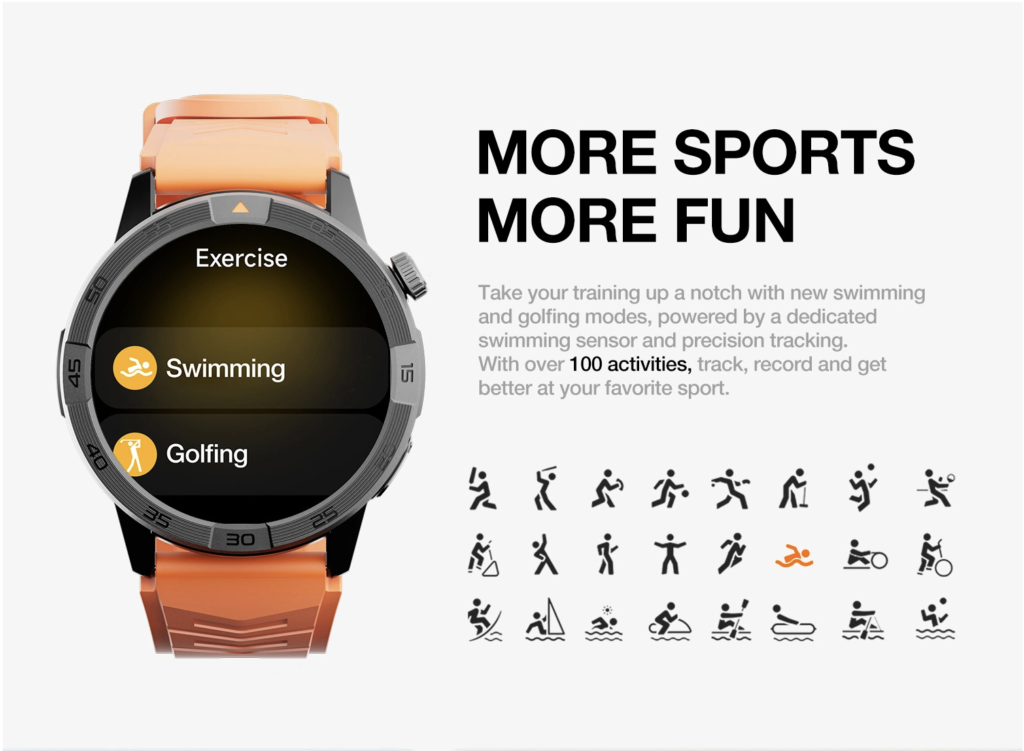
Omarek lists multisport modes, activity tracking, built-in GPS, and offline maps. Those documented tools can make it easier to begin familiar activities while reducing dependence on a phone for basic navigation. The listing does not establish superior GPS accuracy, continuous-GPS runtime, advanced workout programming, or automatic exercise recognition.
Garmin vívoactive 6 becomes more compelling when the buyer regularly uses structured sessions. Garmin documents more than 80 sports apps, step-by-step workouts, Garmin Coach plans, and daily suggested walking workouts. Paying for those tools makes sense only when they repeatedly remove uncertainty about what to do next.
The broader distinction between routine fitness and specialist training is explained in the everyday fitness smartwatch guide.
Moment 3: Awareness
Awareness means seeing enough information to keep the behavior on course. More data is not automatically more useful.
A step count may show that movement has been low. General heart-rate information can add context during familiar activity. Calories may offer a broad activity estimate, but they should not be treated as a precise measure of food intake, body change, or exercise effectiveness.
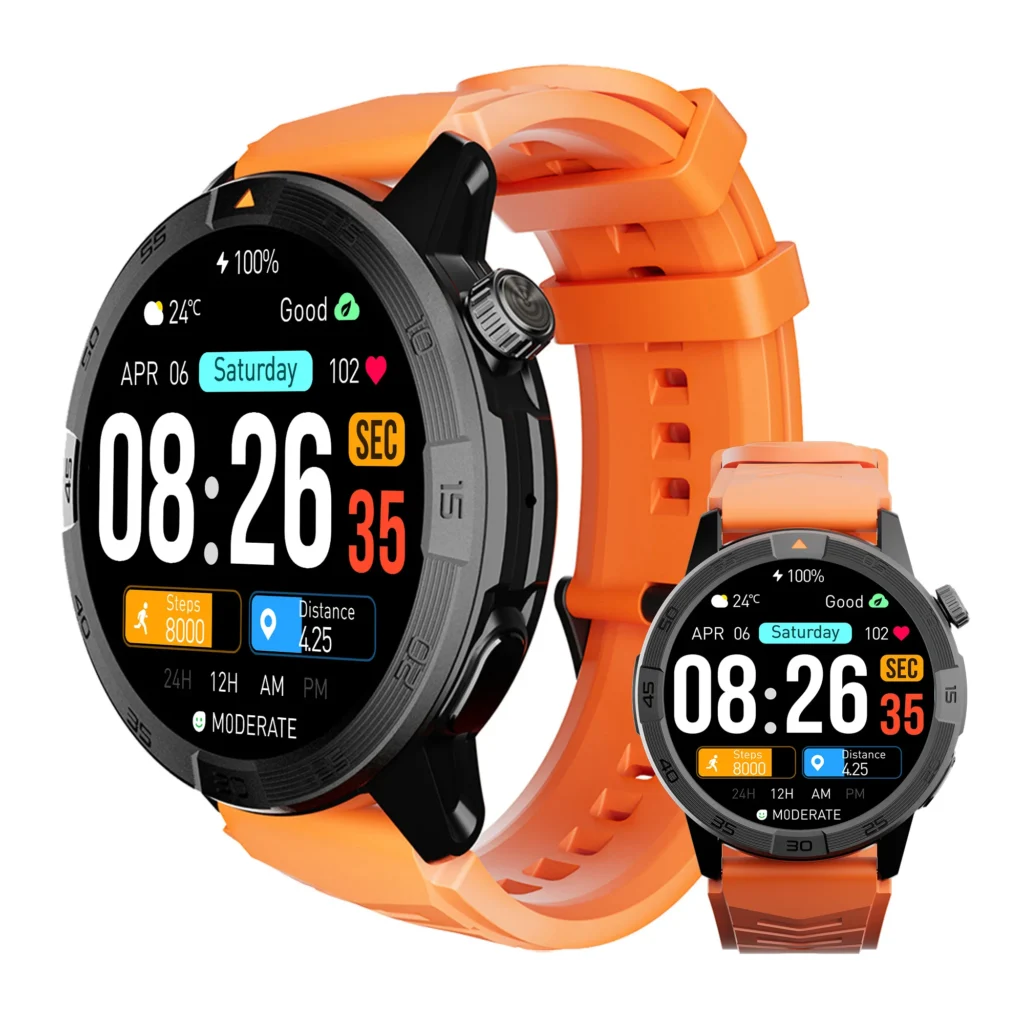
Omarek documents steps, calories, activity and fitness tracking, heart-rate monitoring, and sedentary reminders. Those signals fit buyers who need straightforward progress visibility rather than running dynamics, readiness scores, advanced recovery analysis, or structured coaching.
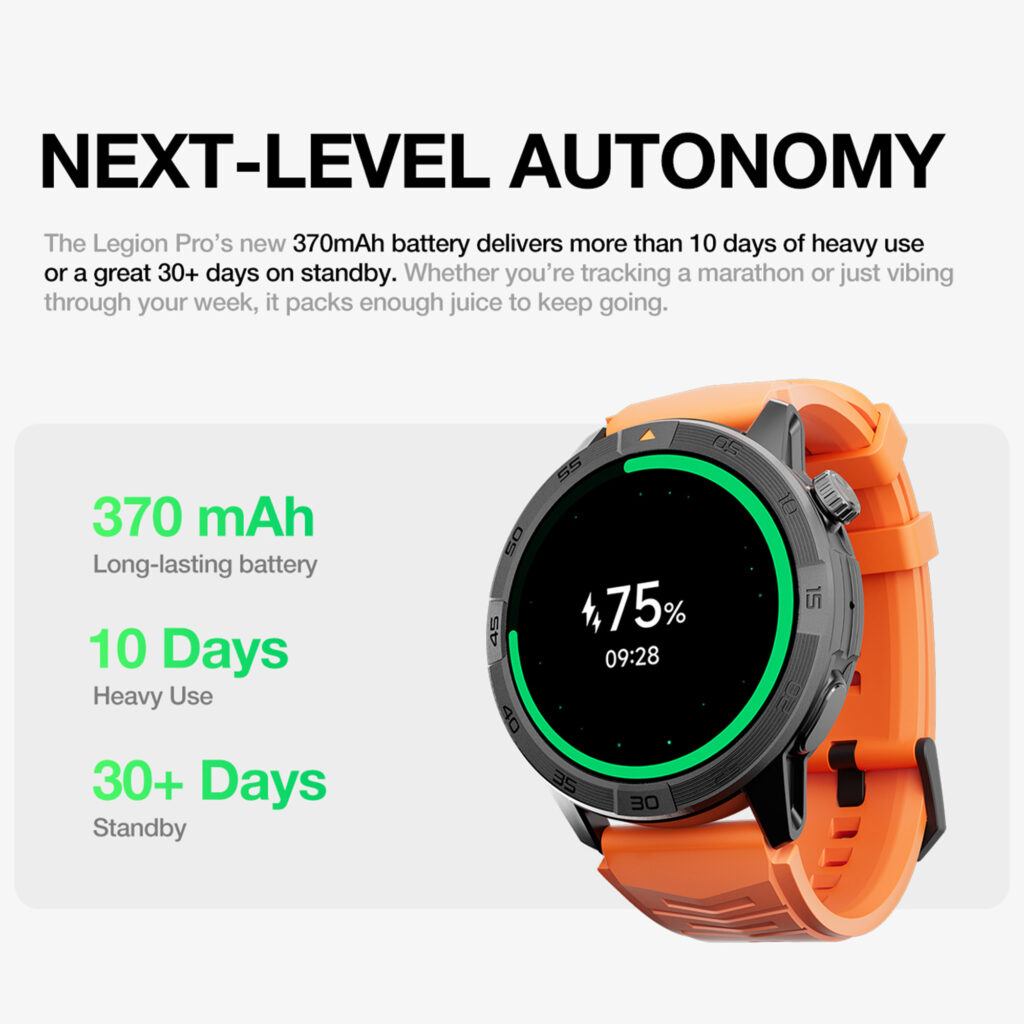
The seller also states that its 370mAh battery can last up to 30 days. That maximum is not a promise for every routine. Calls, screen use, GPS, maps, notifications, Bluetooth activity, and personal settings may reduce actual runtime.
Garmin’s premium layer provides substantially more training context, including intensity minutes, VO2 max, running dynamics, workout benefit, and recovery time. That additional awareness deserves its higher price only when it changes training decisions.
For buyers who confuse activity data with broader health outcomes, the health-goal-to-behavior matching guide provides a safer decision boundary.
Moment 4: Review
A completed activity should answer a practical question. Did the planned walk happen? Was desk time interrupted? Were three weekly sessions completed? Did the buyer return after a planned rest day?
The review does not need to become an analytics project. A basic tracker can win when a step total or completed exercise record provides enough confirmation.
Omarek fits the middle when general activity information is sufficient and wider smartwatch functions matter throughout the day. Bluetooth calling, notifications, music control, alarms, calendar access, GPS, and offline maps can increase usage beyond the workout itself.
That wider role is important to the cost calculation. A watch used during activity, commuting, errands, calls, and navigation has more opportunities to justify its purchase than a tracker opened only for a weekly step total.
The smartwatch and fitness role comparison can help determine whether those non-fitness functions create real value or merely extend the specification list.
Moment 5: Repetition
Repetition is where the budget either works or fails. Charging friction, poor fit, confusing synchronization, excessive notifications, or an inconvenient app can break the loop even when the sensors function correctly.
Fitbit Inspire 3 may be the stronger low-cost option for buyers who value a light, narrow tracker and want basic activity visibility. Its official specifications list a weight of 17.69 grams and seller-estimated battery life of up to 10 days, although actual battery performance varies.
Omarek is physically larger and priced higher at $150 with free shipping. Its value increases when the buyer uses both activity functions and wider smartwatch tools. The seller-stated battery maximum may reduce charging interruptions, but real-world performance should be tested promptly after delivery.
Garmin vívoactive 6 earns premium consideration when adaptive plans, recovery information, workout guidance, and a deeper fitness platform help the buyer repeat a structured program. Garmin advertises up to 11 days of battery life, with actual results dependent on use.
Ownership friction should be tested through the low-maintenance smartwatch test. Compatibility also matters: review the phone-and-watch matching guide, and Android buyers should verify the required companion app.
Run six Habit-Budget Tests before paying
Family challenge test: A household challenge creates value when it encourages repeated activity without requiring unwanted subscriptions or multiple replacement devices. Confirm whether every participant needs the same brand, app, account type, or paid plan before committing the family budget.
Step competition test: Competition can strengthen repetition, but it can also turn an intentional habit into meaningless number chasing. Fund the contest only when the counted steps support the original behavior.
Desk-reminder test: A sedentary alert has no financial value when it is routinely ignored. Identify the exact response—stand, stretch, refill water, or walk briefly—before paying for reminder capability.
Rest-day test: A planned rest day is not an abandoned loop. The review moment may simply confirm that the schedule was followed. Premium readiness tools are unnecessary when the buyer already has a clear and appropriate rest plan.
Lost-streak test: One missed day should not cause a $100 or $300 device to become psychologically “failed.” Weekly completion targets often protect the investment better than an all-or-nothing streak.
Phone-app replacement test: Omarek may reduce recurring phone use through wrist calls, notifications, activity information, maps, and music control. It does not automatically replace a dedicated coaching or habit application. Count only the phone interactions that genuinely disappear.
Product claims should be confirmed before checkout. The smartwatch evidence checklist helps separate documented functions from assumptions created by graphics or broad product language.
Fund the Complete Habit, Not the Largest Data Archive
The lowest-cost winner depends on the loop—not the category name.
A lower-priced tracker wins when the entire goal is compact movement visibility, simple reminders, and a basic review. Fitbit Inspire 3 is a credible U.S. option at $99.95 when those tools are enough and the buyer accepts connected GPS rather than requiring GPS built into the tracker.
Omarek takes the mid-price position when the buyer will use activity information and broader smartwatch utility. At $150 with free shipping, its strongest budget case comes from combining steps, activity tracking, sedentary reminders, general heart-rate information, multisport modes, wrist calling, built-in GPS, offline maps, notifications, and daily controls in one device.
A premium platform earns the budget when structured guidance repeatedly completes the loop. Garmin vívoactive 6 may justify its $299.99 suggested retail price for buyers who use adaptive coaching, suggested workouts, recovery time, workout benefit, and deeper training information rather than merely storing it.
Subscription exposure changes the answer. Google Health Premium currently starts at $9.99 and adds personalized coaching. That recurring charge may be worthwhile for someone who follows the plans, reviews the guidance, and repeats the recommended actions. It is wasted overhead for a buyer who needs only a movement prompt.
Replacement exposure matters just as much. A $99.95 tracker followed by a $150 smartwatch creates $249.95 in hardware spending before sales tax and accessories. Buying Omarek first may cost less when its broader features were part of the original requirement.
The opposite is also true. Paying $150 for Omarek is unnecessary when a lightweight tracker completely supports the habit and the buyer has no use for calling, onboard navigation, or broader wrist controls.
Use the 90-day activity-watch value test to estimate whether the routine will survive beyond the purchase period.
The Habit Cost Ledger should now reveal the result. A worthwhile purchase funds repeated decisions, starts, progress checks, reviews, and returns. A weak purchase buys another place to store data that the owner eventually stops opening.
No watch should receive the order when the buyer cannot name the habit, the review question, and the expected repetition schedule.
Put the Budget Behind a Habit You Can Repeat
Omarek deserves the $150 allocation when the ledger shows that its activity tools can carry the routine through all five moments and its connected features remove a realistic second-device purchase.
The financial case is strongest for a buyer who will:
- use reminders or a schedule to make the activity decision;
- begin familiar movement through accessible activity controls;
- monitor general progress through steps, activity information, or heart-rate context;
- review whether the planned behavior occurred; and
- return to the routine while also using calls, maps, notifications, or music controls.
Keep the money with a lower-priced tracker when the habit needs nothing beyond compact progress visibility. Move the budget to a premium platform when structured coaching and deeper analysis repeatedly determine what happens next.
Before keeping any watch, complete the first-week habit verification. Test comfort, reminders, app syncing, battery behavior, activity access, review screens, and every feature included in the ledger.
One purchase rule: Pay for Omarek only after all five habit moments have a named function and its wider utility removes a second purchase from the ledger.